What I Wish Every Trekker Knew Before Coming to Nepal
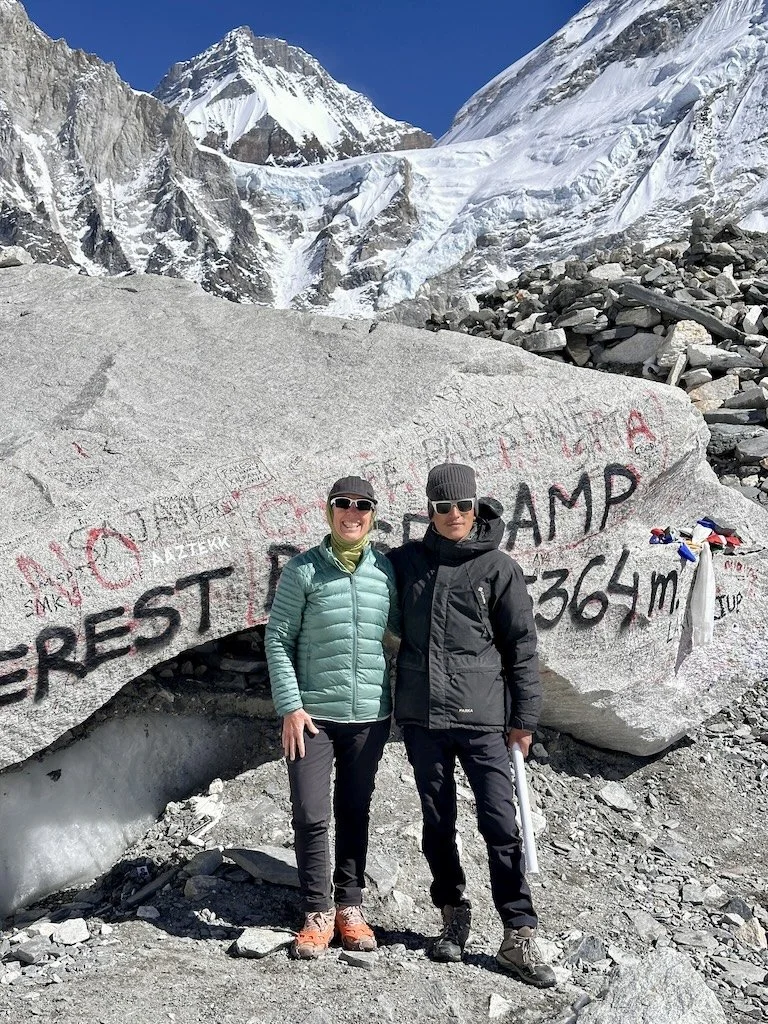
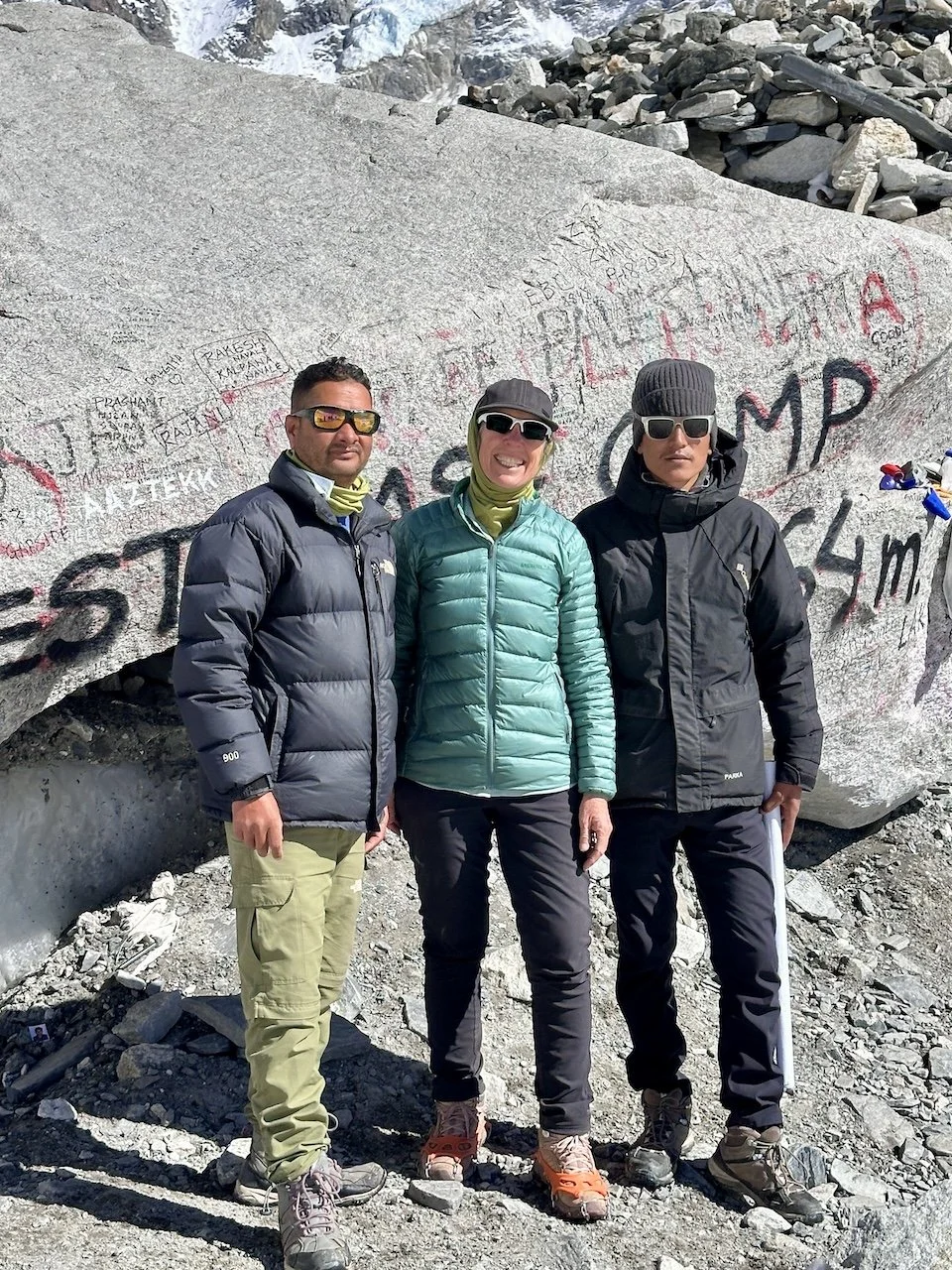
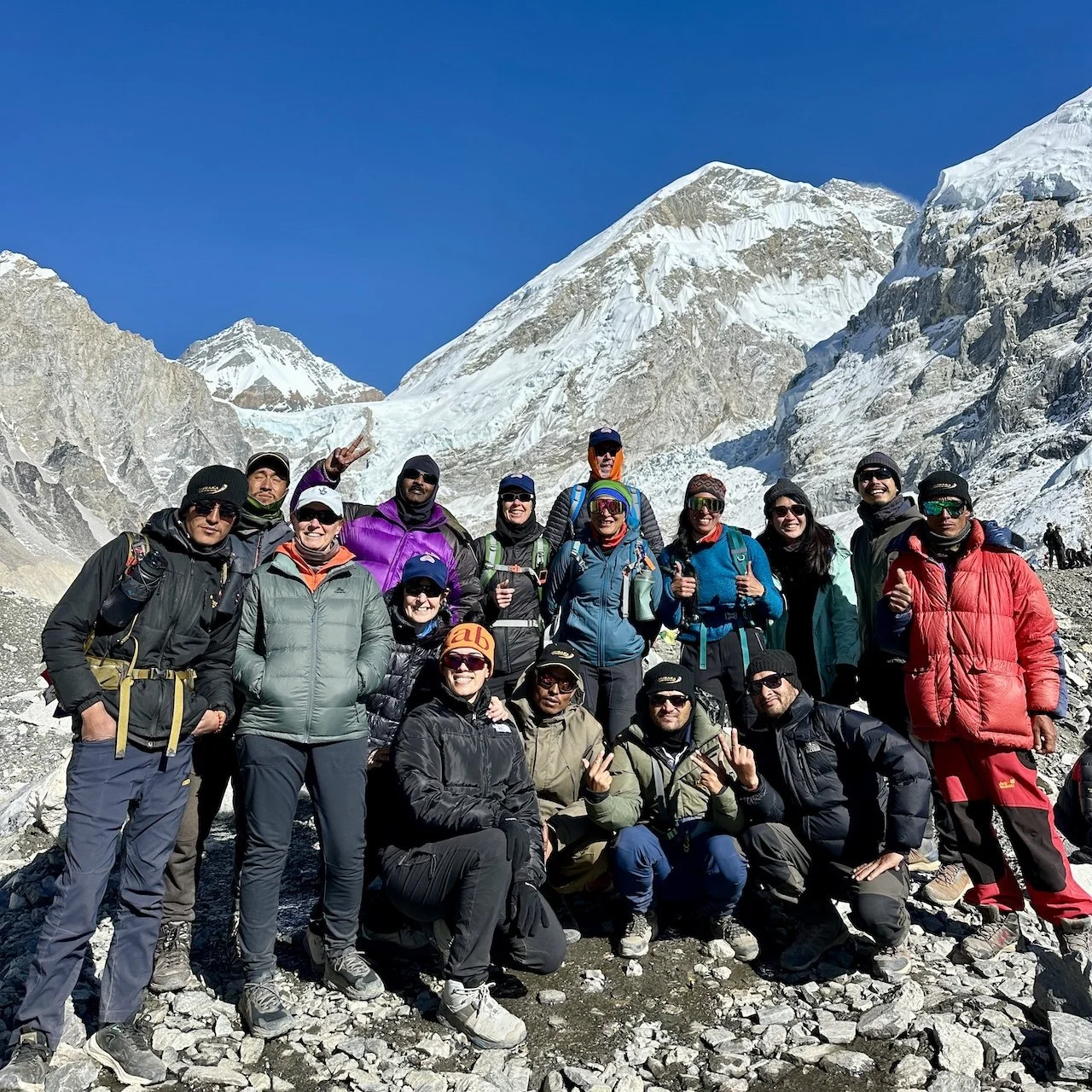
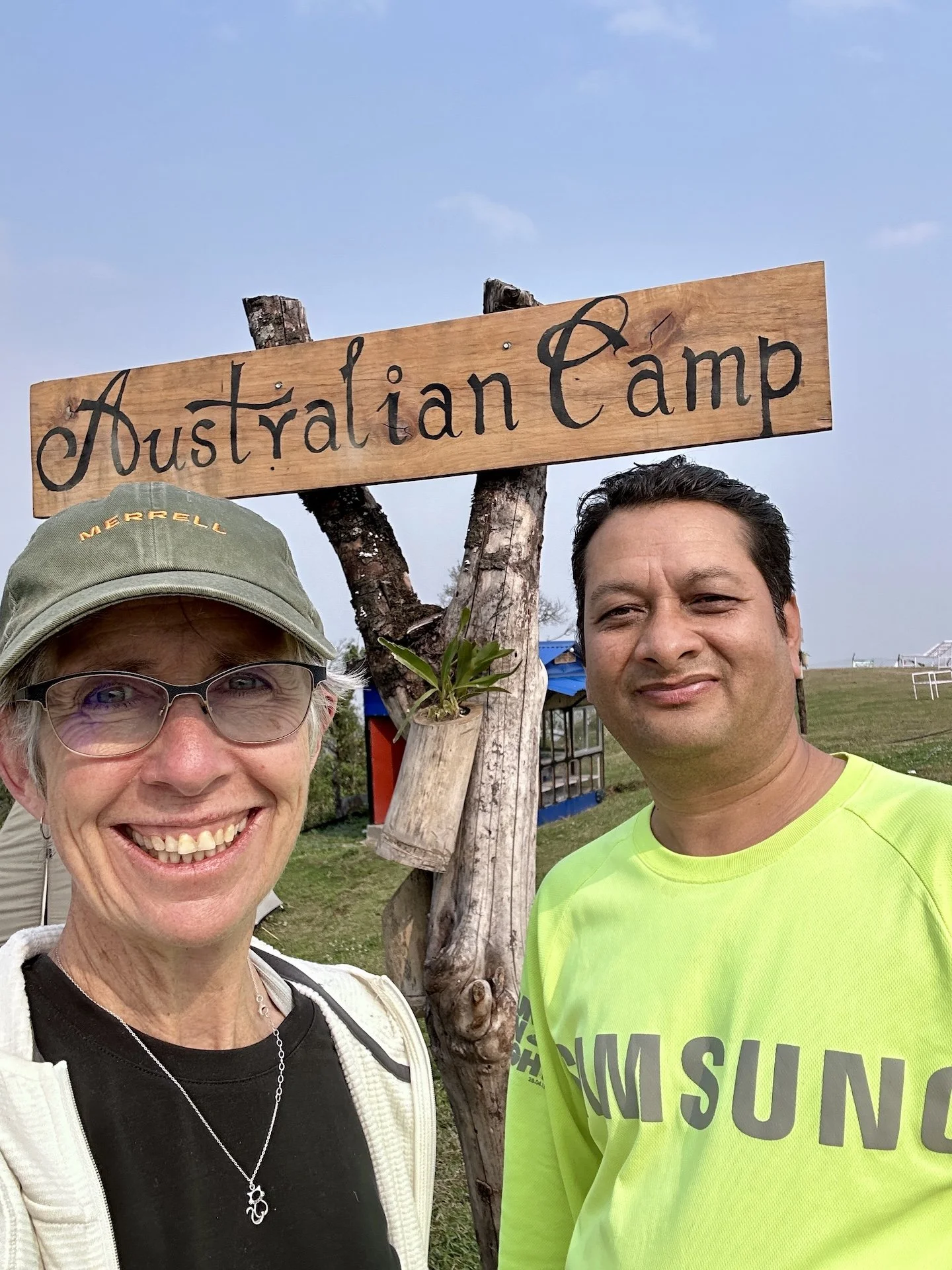
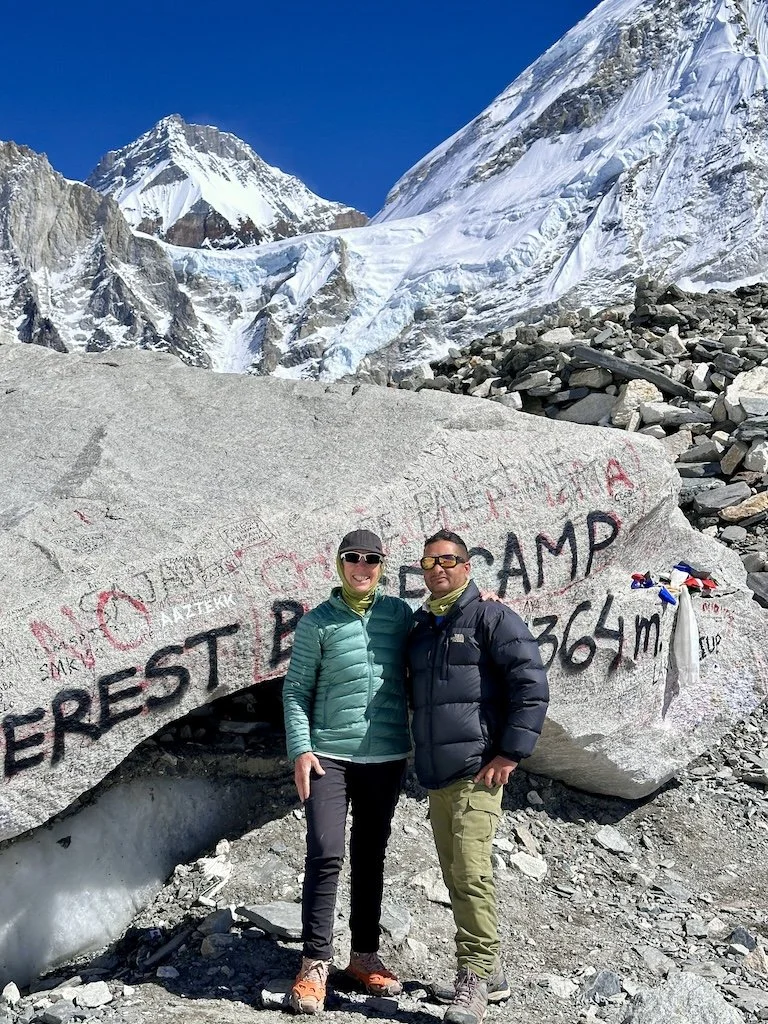
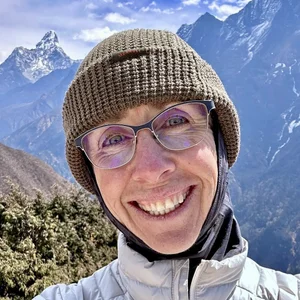
Sharon Evans and Prashant Tamang, Everest Base Camp, Nepal
Last week my phone buzzed with a message from Nepal.
It was Prashant, one of our porters, sending me a photo. His wife had just given birth to their third child, a baby girl. Her name is Diyaa.
Prashant calls me Mum. I choose to take that as the highest compliment. So when that photo came through, it felt like getting a picture of your own grandchild. I won't pretend I didn't tear up, because I absolutely did.
This is what people don't tell you about trekking in Nepal. Yes, there's the altitude and the training and the gear lists and the logistics. All of that matters and I'll get to it. But underneath all of it is something that will surprise you if you're not expecting it, and that's the people.
Not just the people you trek with. The people who make the trek possible.
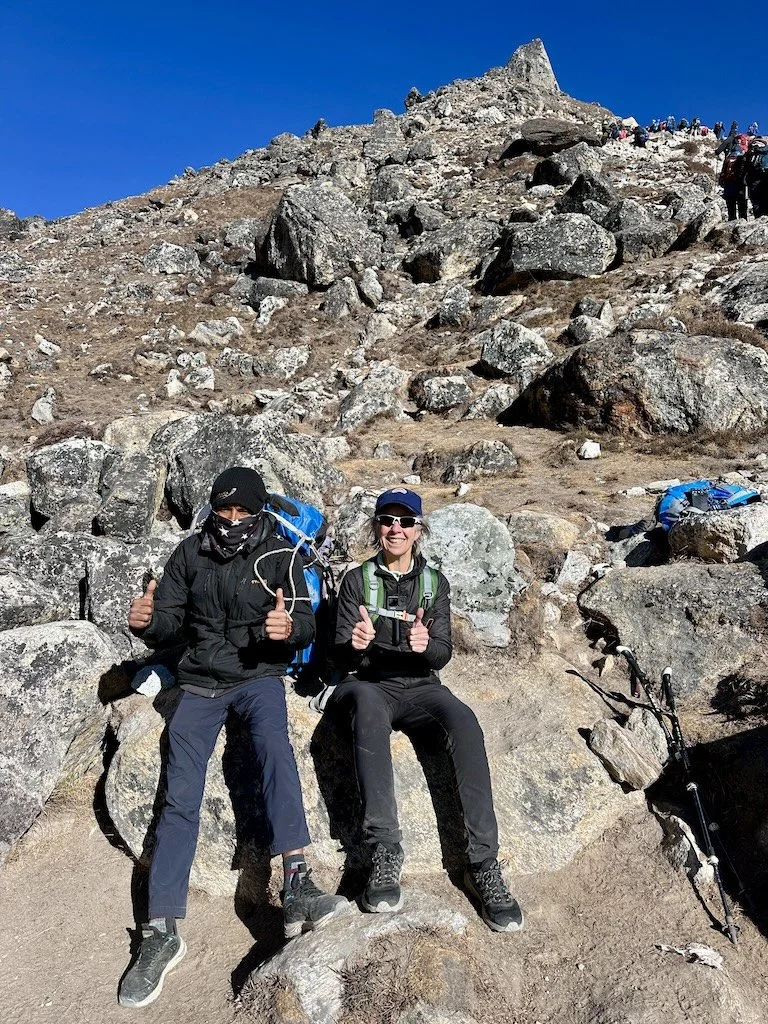
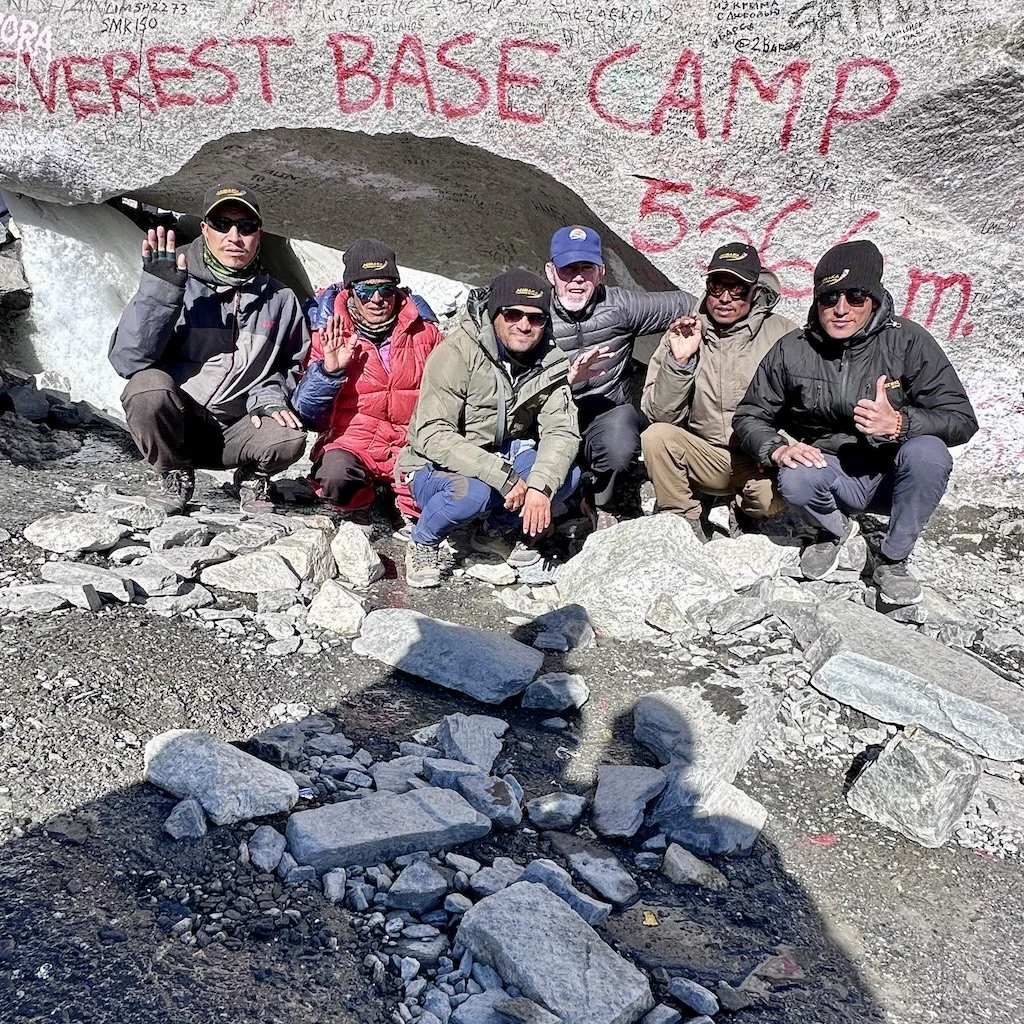
Your Porters and Guides Are Not a Service. They Are the Heart of the Experience.
I say this gently but I say it clearly, because it's the thing I wish every trekker understood before they arrived.
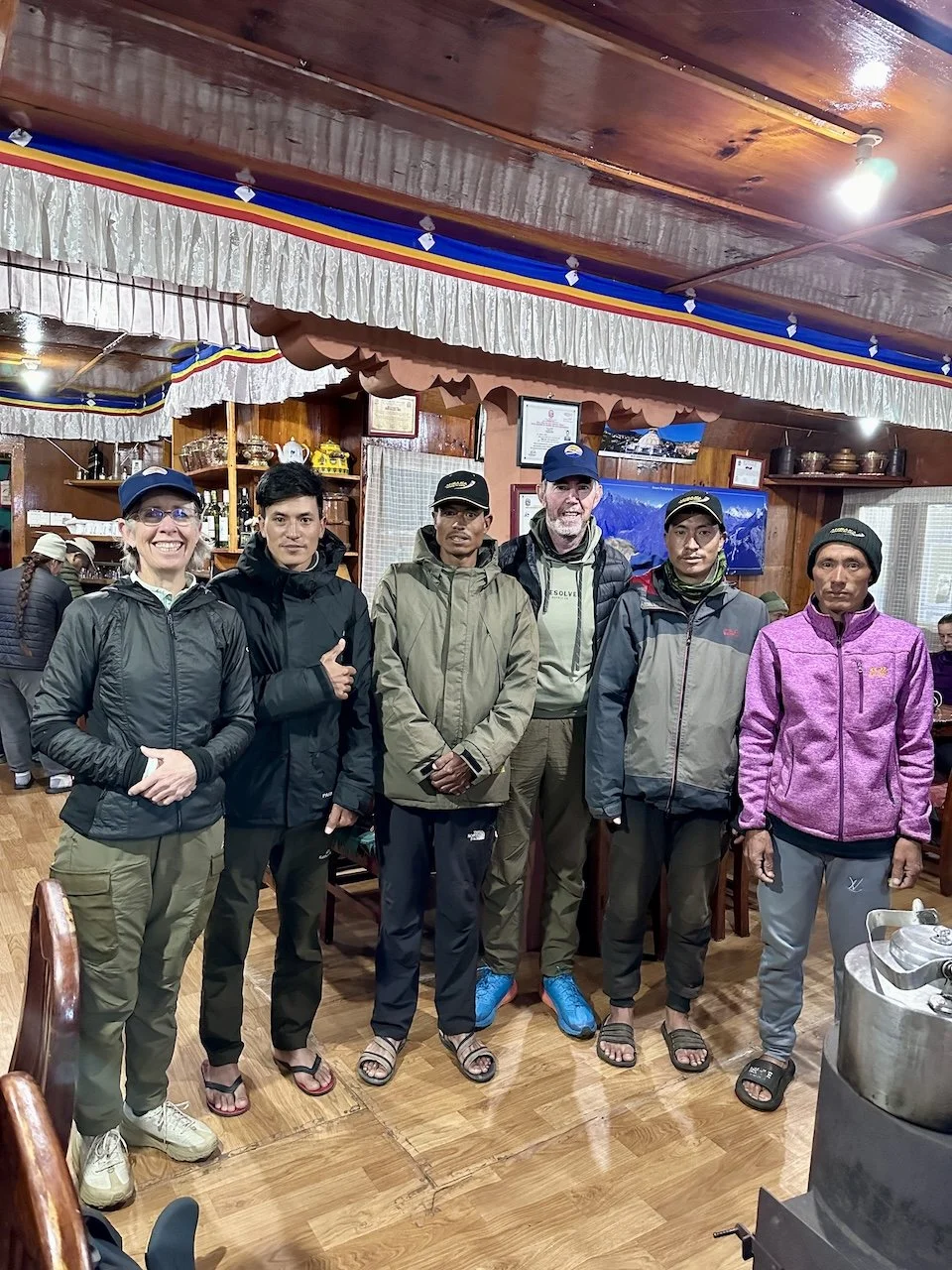
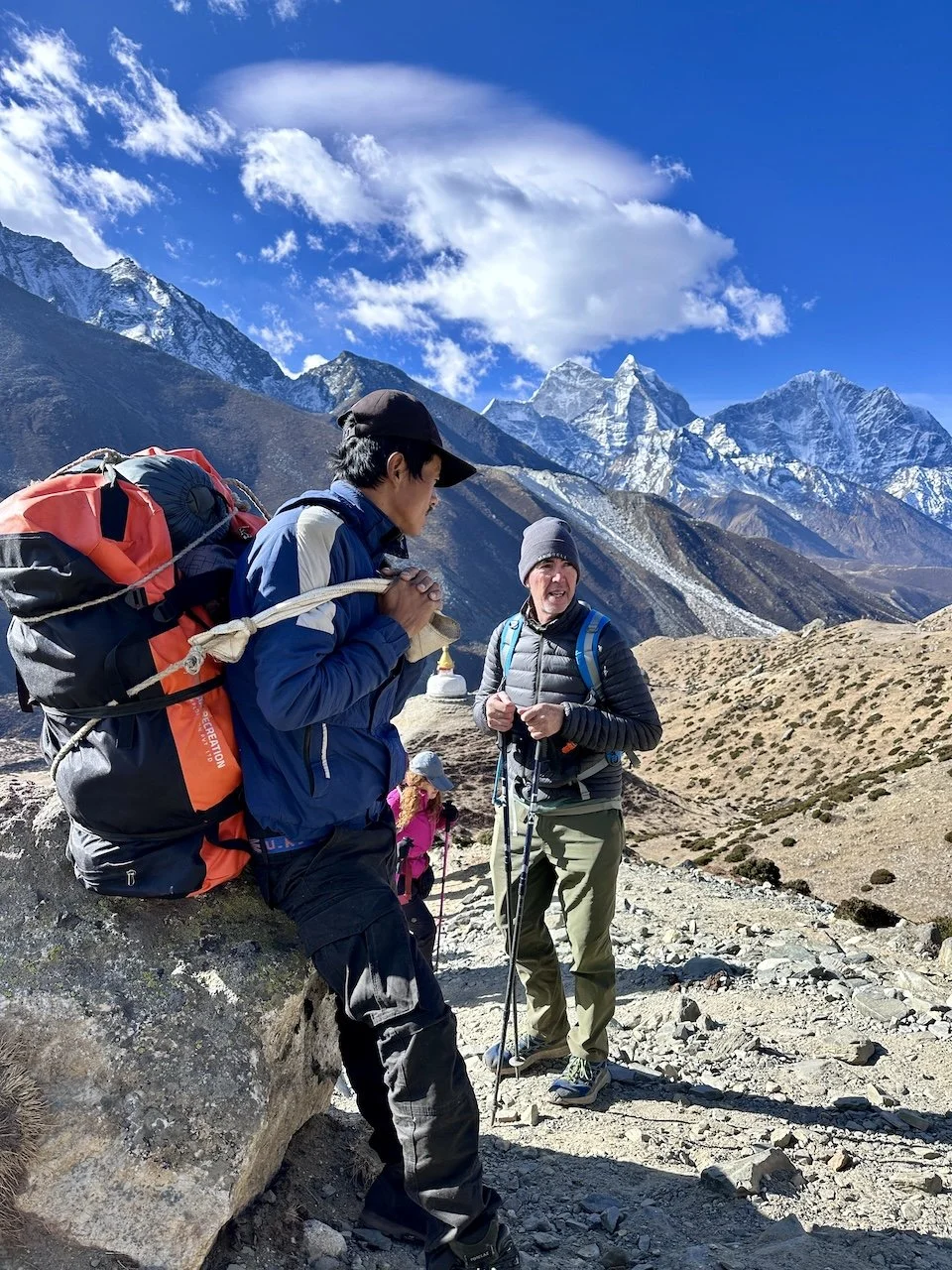
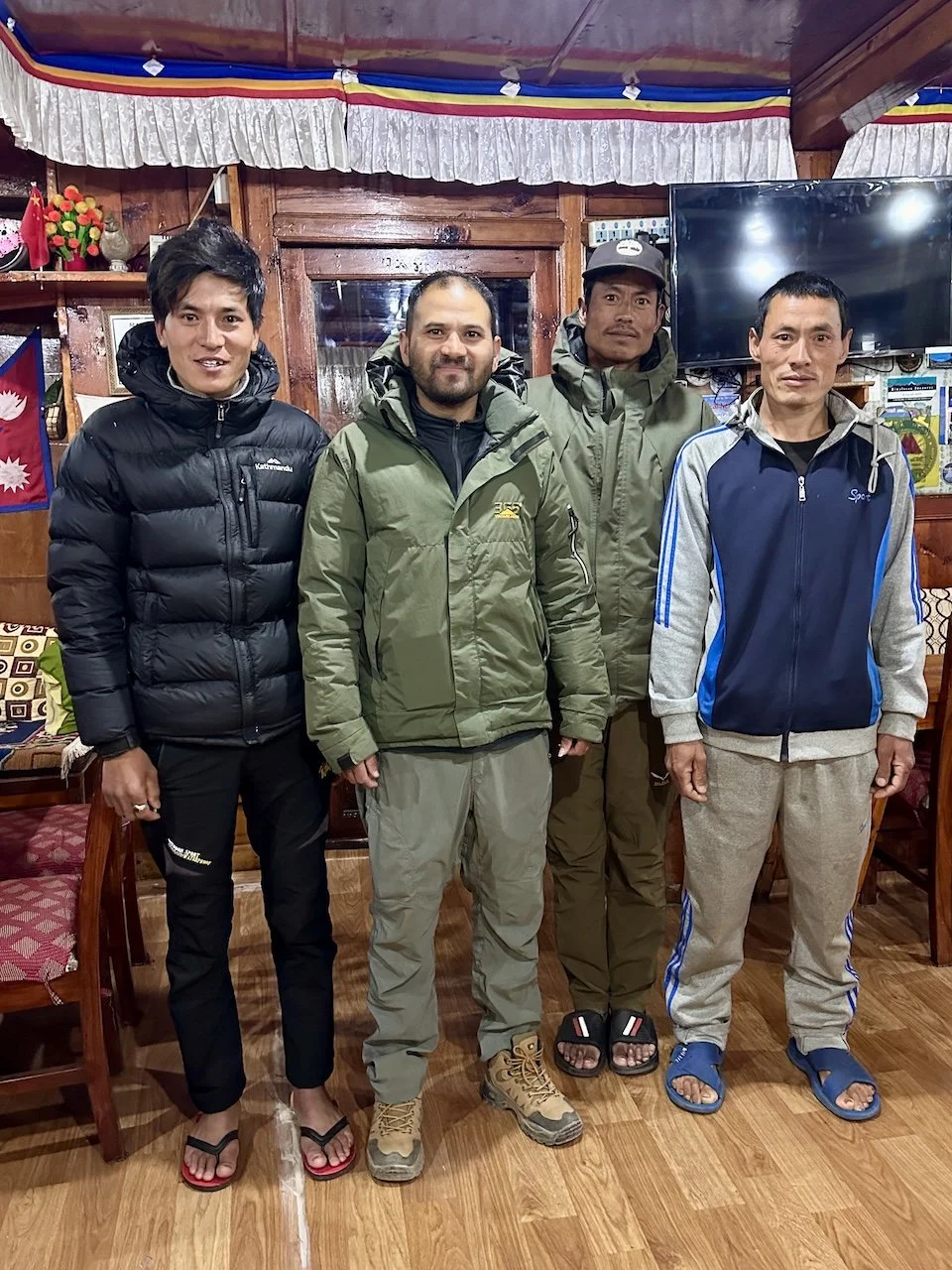
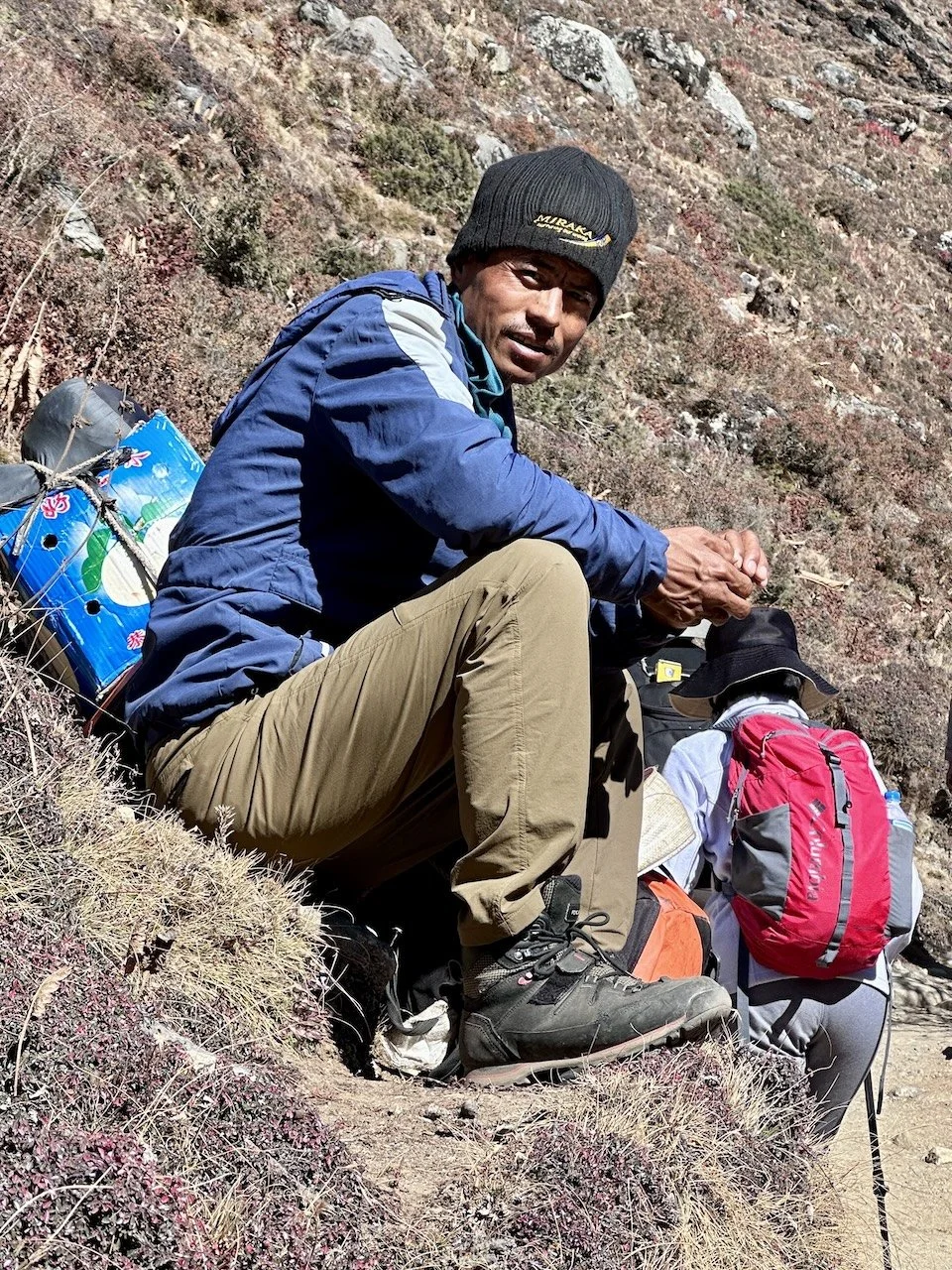
The people who carry your gear, who know every stone on the trail, who will quietly appear beside you on a hard day with exactly the right word. These are not logistics. They are extraordinary human beings with families, dreams, and lives that continue long after you fly home.
Prashant has a daughter now. She is called Diyaa and she arrived in the world while her father was preparing to head back into the mountains. These are real people. When you treat them that way, something shifts in the entire experience of the trek.
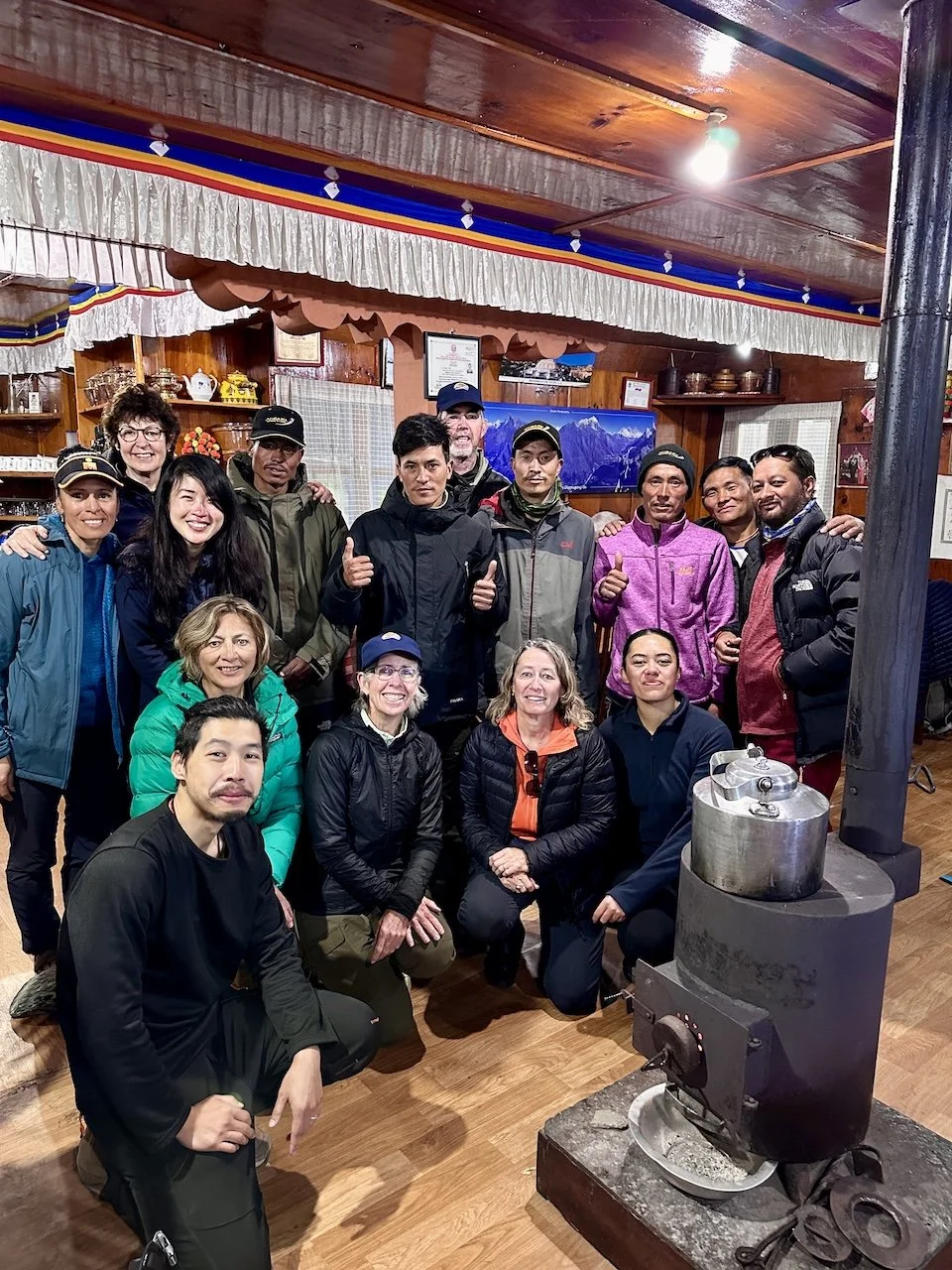
The groups I lead know this from day one. We are one team. No matter how often we invite our porters and guides to join us at the table, their custom is to eat once all the clients have been fed first. We respect that. But the warmth, the laughter, the looking out for each other on the trail, that happens on both sides and it is real.
And what comes back is extraordinary. The warmth, the care, the way our Nepali team goes above and beyond not because it's their job but because they genuinely want you to make it. That only happens when the relationship is built on mutual respect.
Go Slower Than You Think You Need To
This is the practical thing I see catch people out most often, regardless of fitness level.
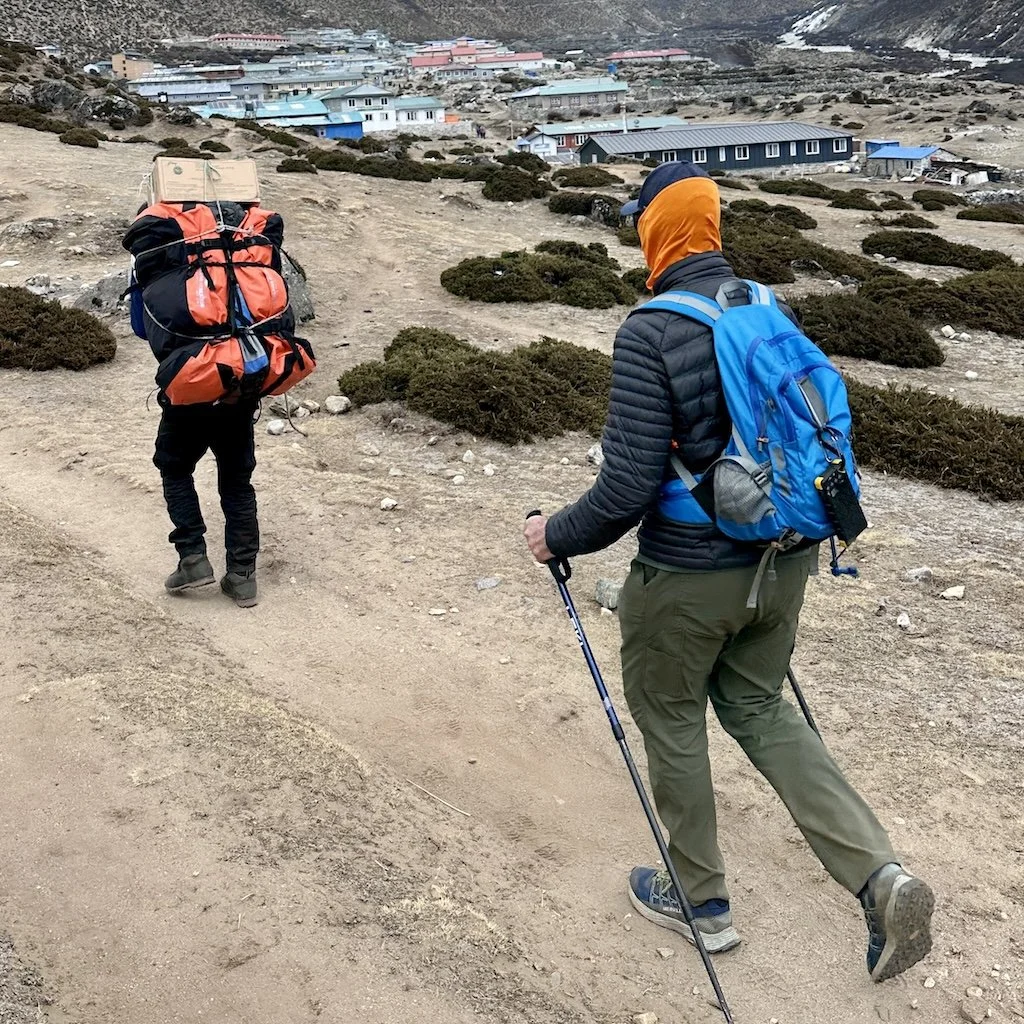
You arrive in Nepal buzzing with excitement and adrenaline. The trail begins and it feels manageable. Your legs are fresh. The scenery is extraordinary. You feel good. So you walk at the pace you feel, which is faster than you should.
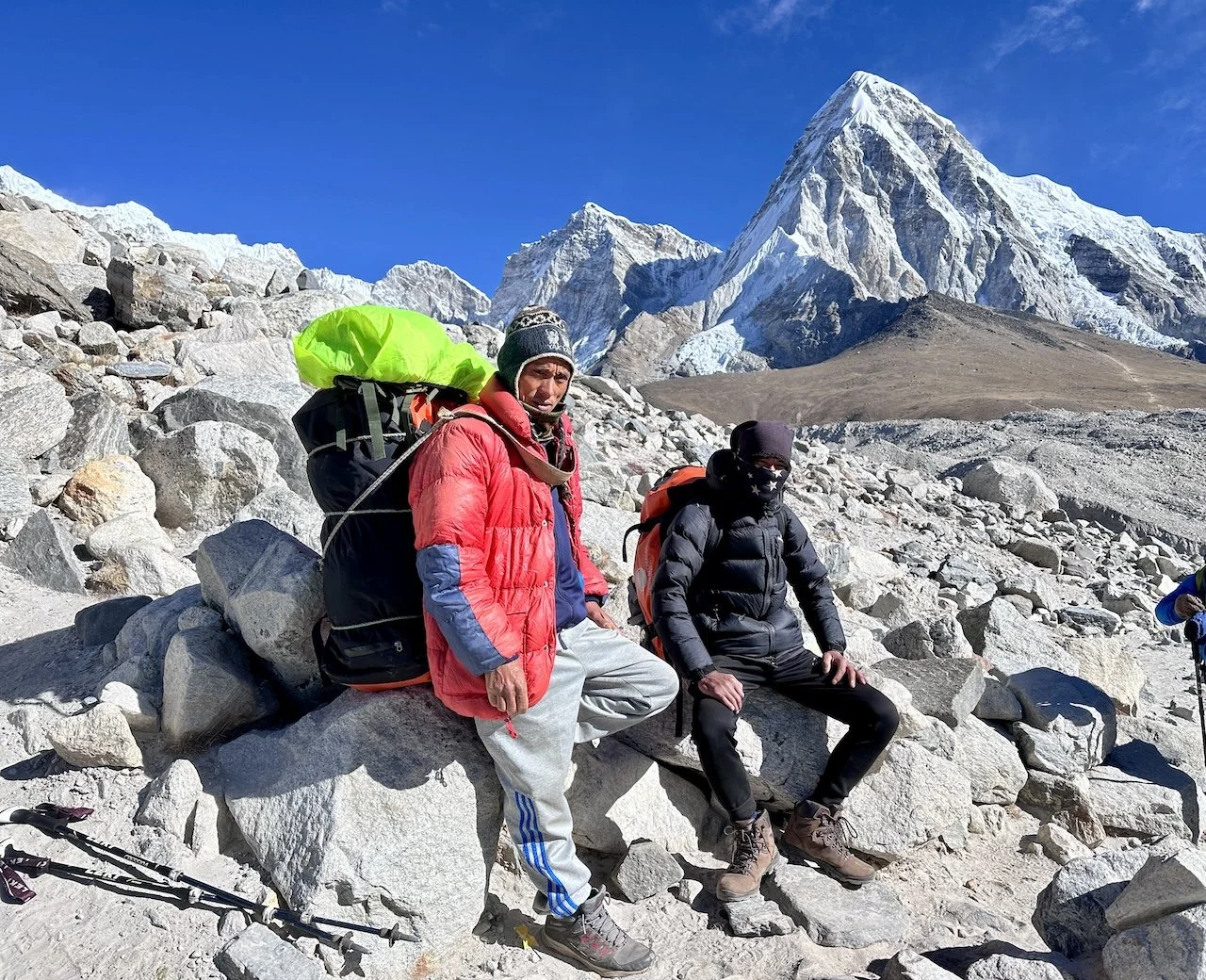
Altitude doesn't care how fit you are. At 3,500 metres your body is working significantly harder than it does at sea level, and that gap widens every day as you climb higher. The trekkers who go slow and steady on the early days are the ones who feel strong at Base Camp. The ones who push hard in the first few days are often the ones who struggle when it counts.
The mantra on our treks is simple. Slow is smooth, smooth is fast. We will get there. We always do.
The Cold Is a Different Kind of Cold
People prepare for cold. What they don't prepare for is Himalayan cold.
At altitude, particularly once you get above 4,000 metres, the temperature drops fast once the sun goes behind the mountains. What feels pleasant at midday can feel brutal by late afternoon. Teahouse rooms are unheated. The wind has a bite that gets into you in a way that a New Zealand winter simply doesn't replicate.
Good layering, a genuinely warm sleeping bag, and dry feet matter more than most people realise until they're there. This is one of the things we work through in Trek Prep: not just what to buy but what you actually need and why.
Nobody Talks Enough About the Mental Side
The physical training gets all the attention. But the mental side of a Himalayan trek is real and it deserves honest preparation.
There will be a day, possibly more than one, where you feel genuinely awful. Where the altitude has your head pounding and your appetite gone and your body telling you things you don't want to hear. Where the teahouse is cold and the distance still feels enormous and you wonder what on earth you were thinking.
That moment is normal. It happens to almost everyone. And how you handle it, whether you have the tools to sit with discomfort, to pace yourself, to listen to your body without panicking, makes all the difference between turning back and standing at Base Camp.
I have watched people surprise themselves completely on the trail. People who doubted themselves at home, who came on the trek nervous and uncertain, who found something in themselves up there that they didn't know existed. That is the real gift of Nepal. Not the summit photo. The discovery.
One Night at Phangboche That I'll Never Forget
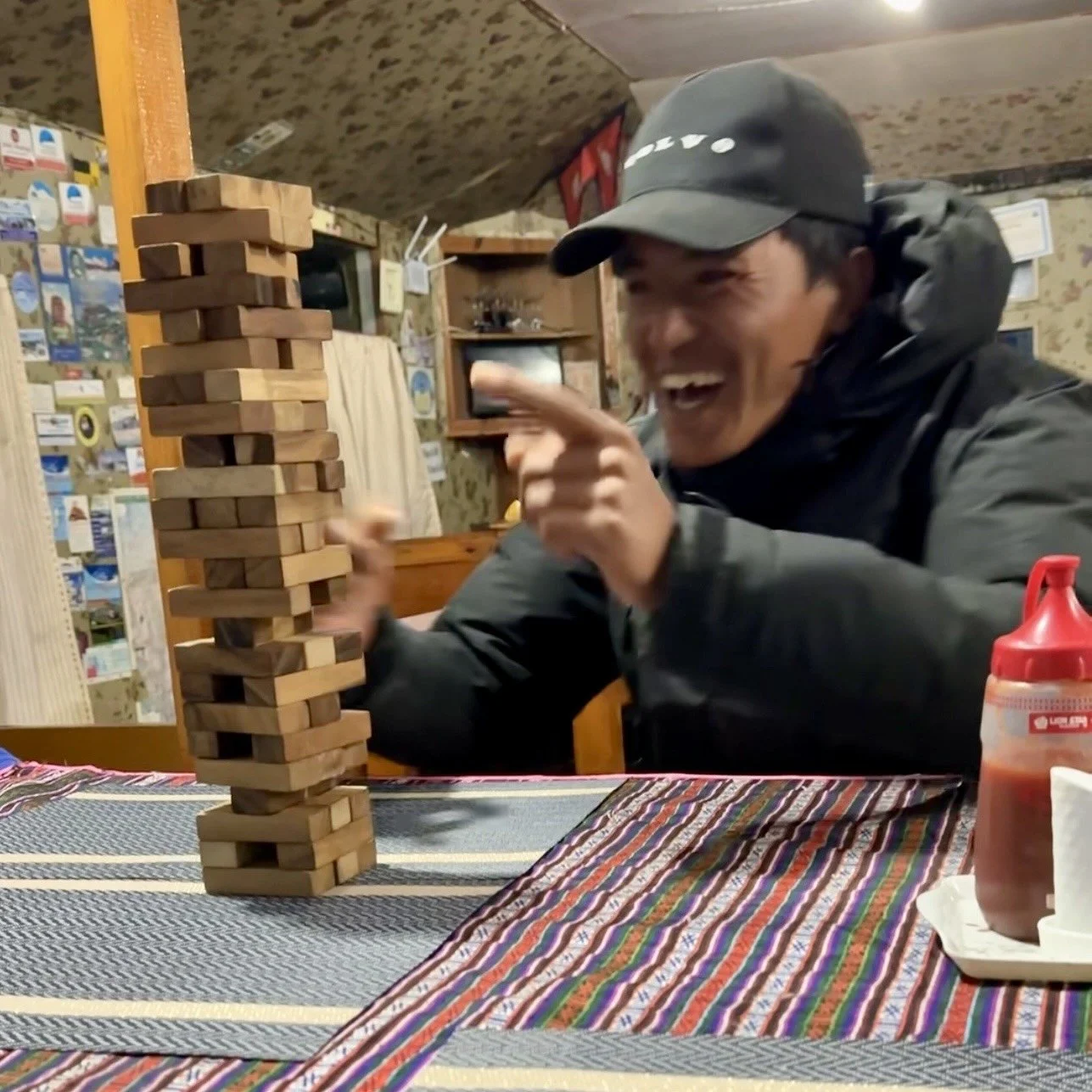
On our last return from Everest Base Camp, we stopped for the night at the Eco Holiday Lodge in Phangboche at around 3,900 metres.
Someone produced a Jenga set.
What followed was one of the best evenings I've had on any trail anywhere in the world. Locals versus trekkers, fierce competition, increasingly creative accusations of cheating, and so much laughter that I'm fairly sure they could hear us halfway to Namche. Everyone relaxed, guard down, just people enjoying each other's company in a tea house in the Himalayas.
Nobody planned it. Nobody put it on the itinerary. It happened because when you build a genuine team, with trust and warmth on both sides, these moments find you.
That's what I want for every person who treks with me. Not just the summit. The whole experience. The Jenga. The new friendships. The photo of Prashant's baby girl arriving on your phone six months later because you stayed in touch.
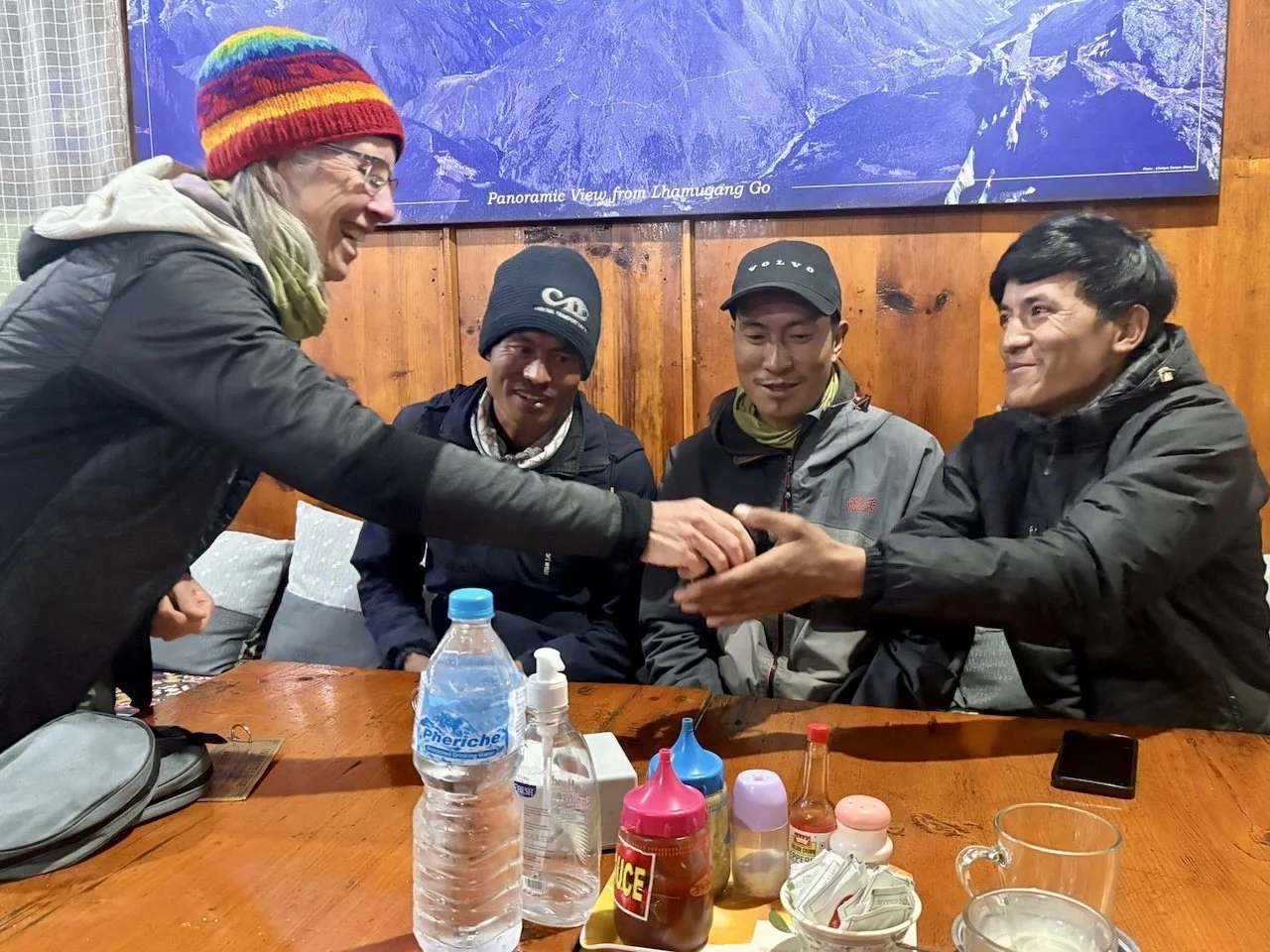
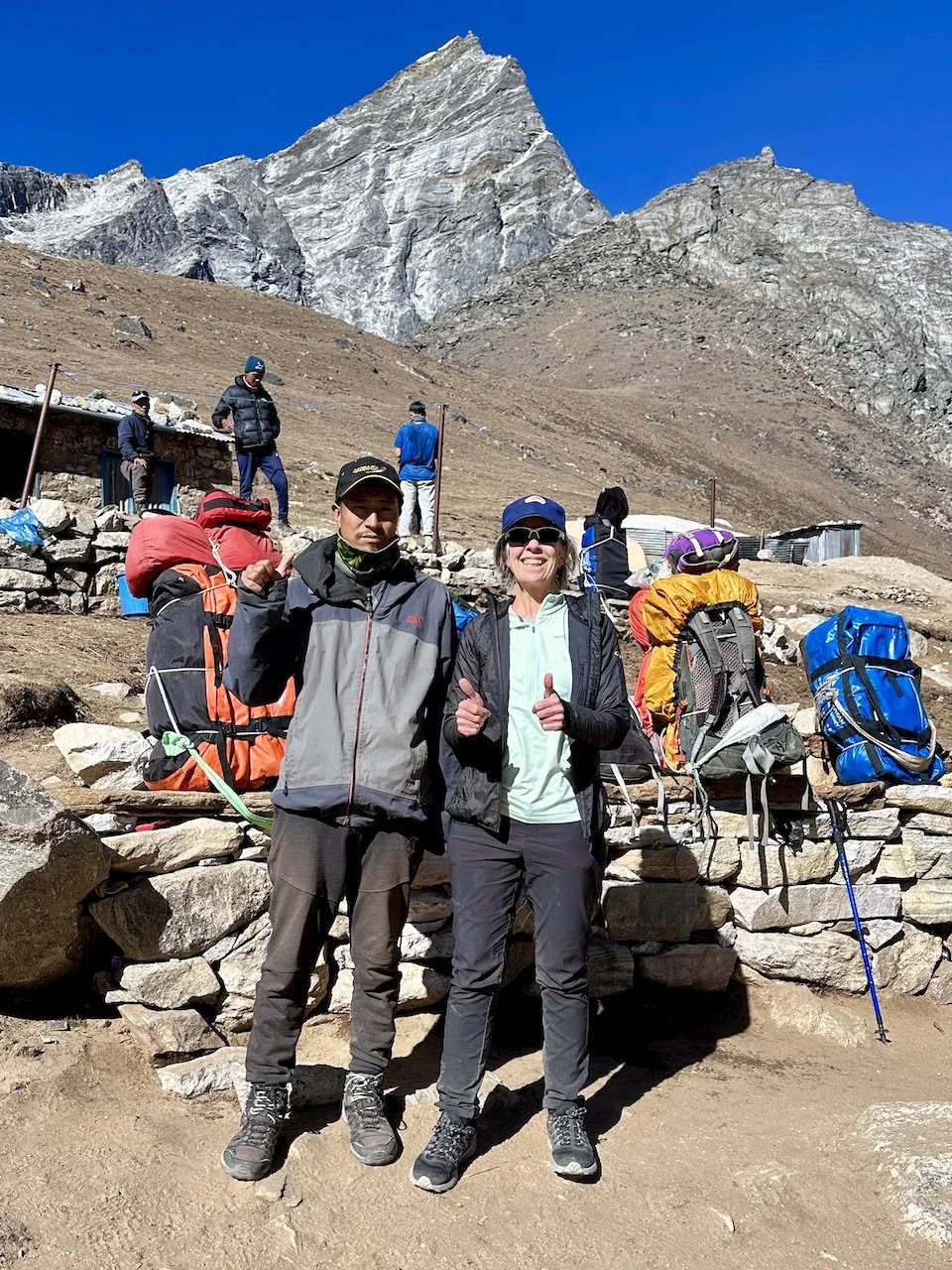
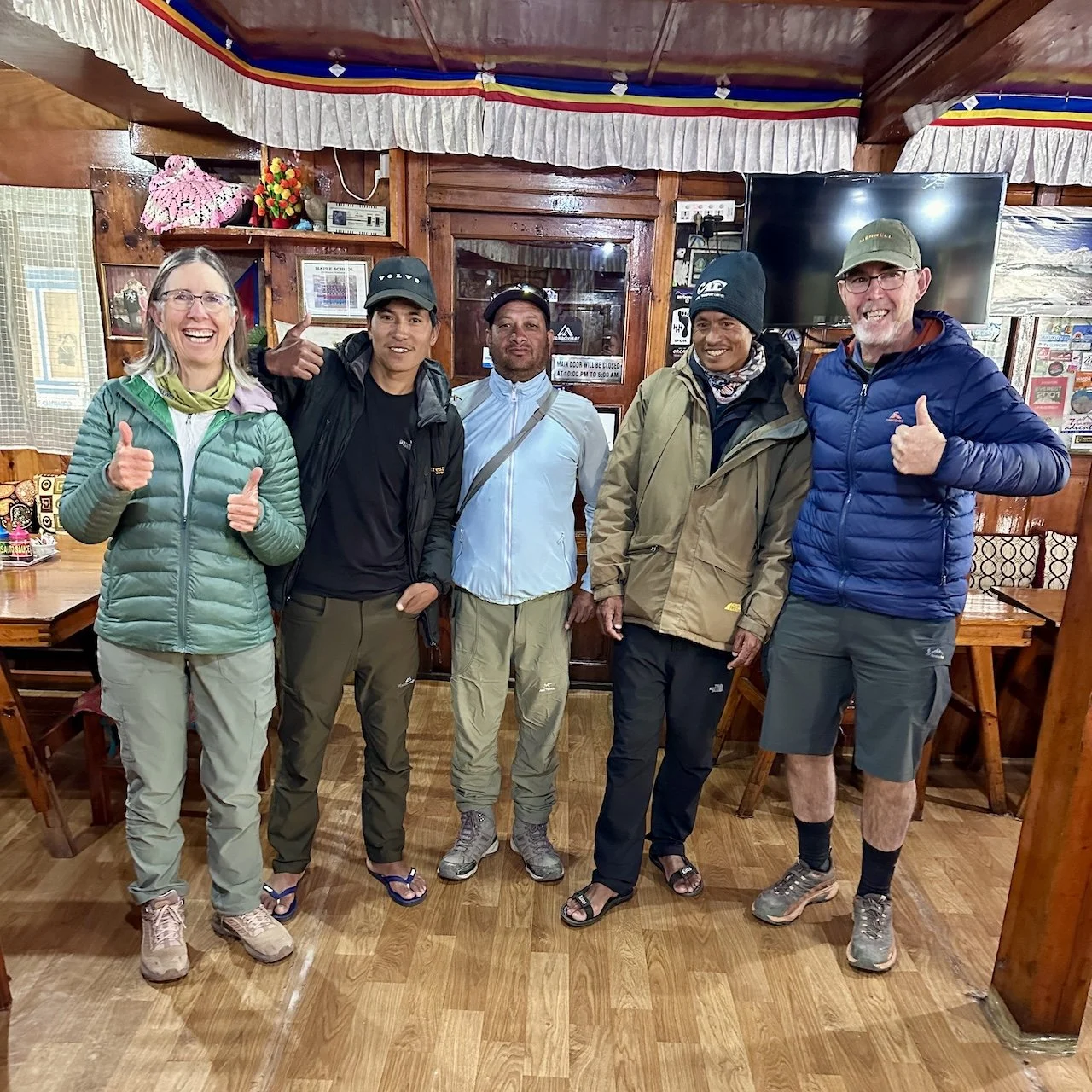
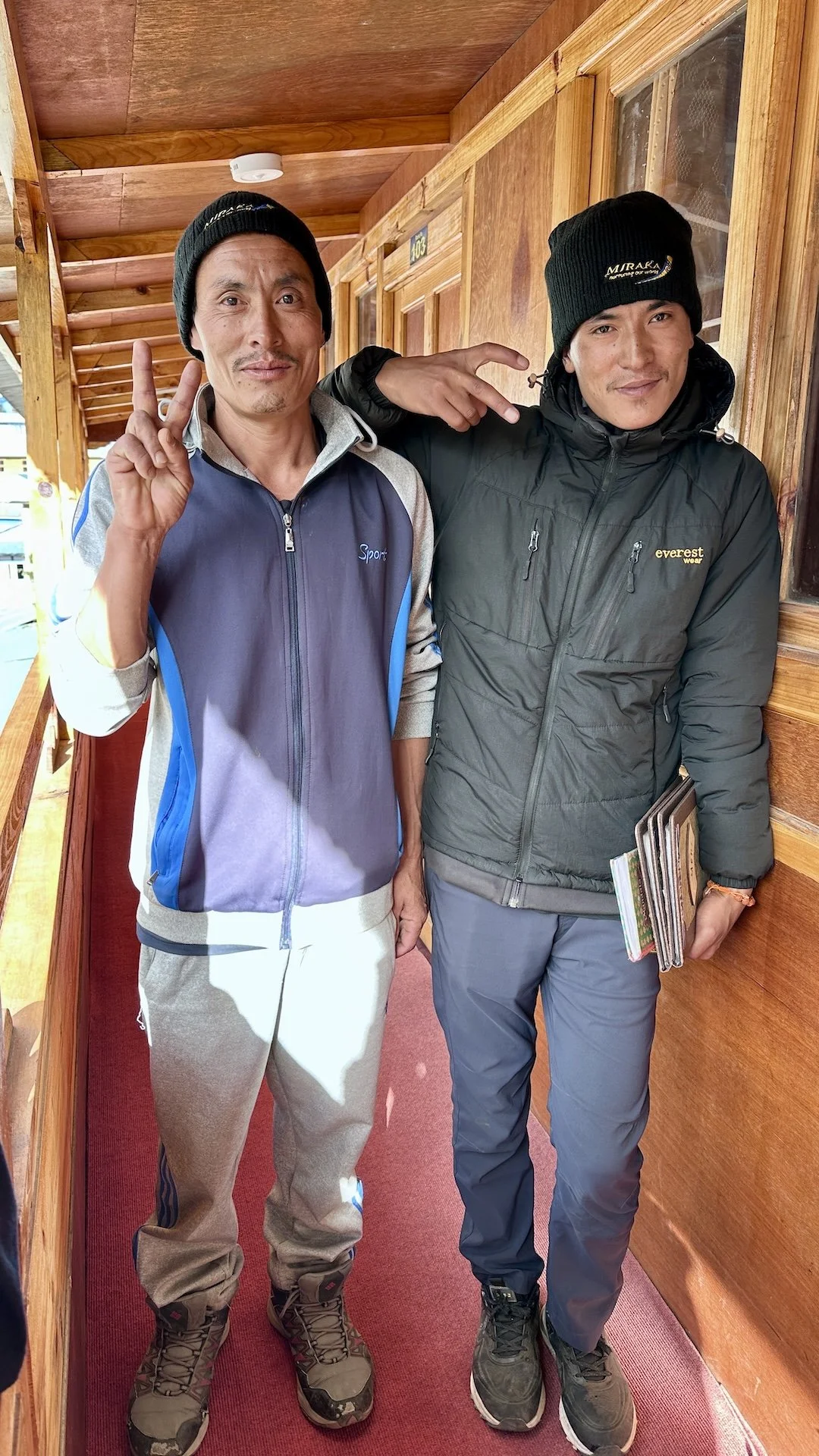
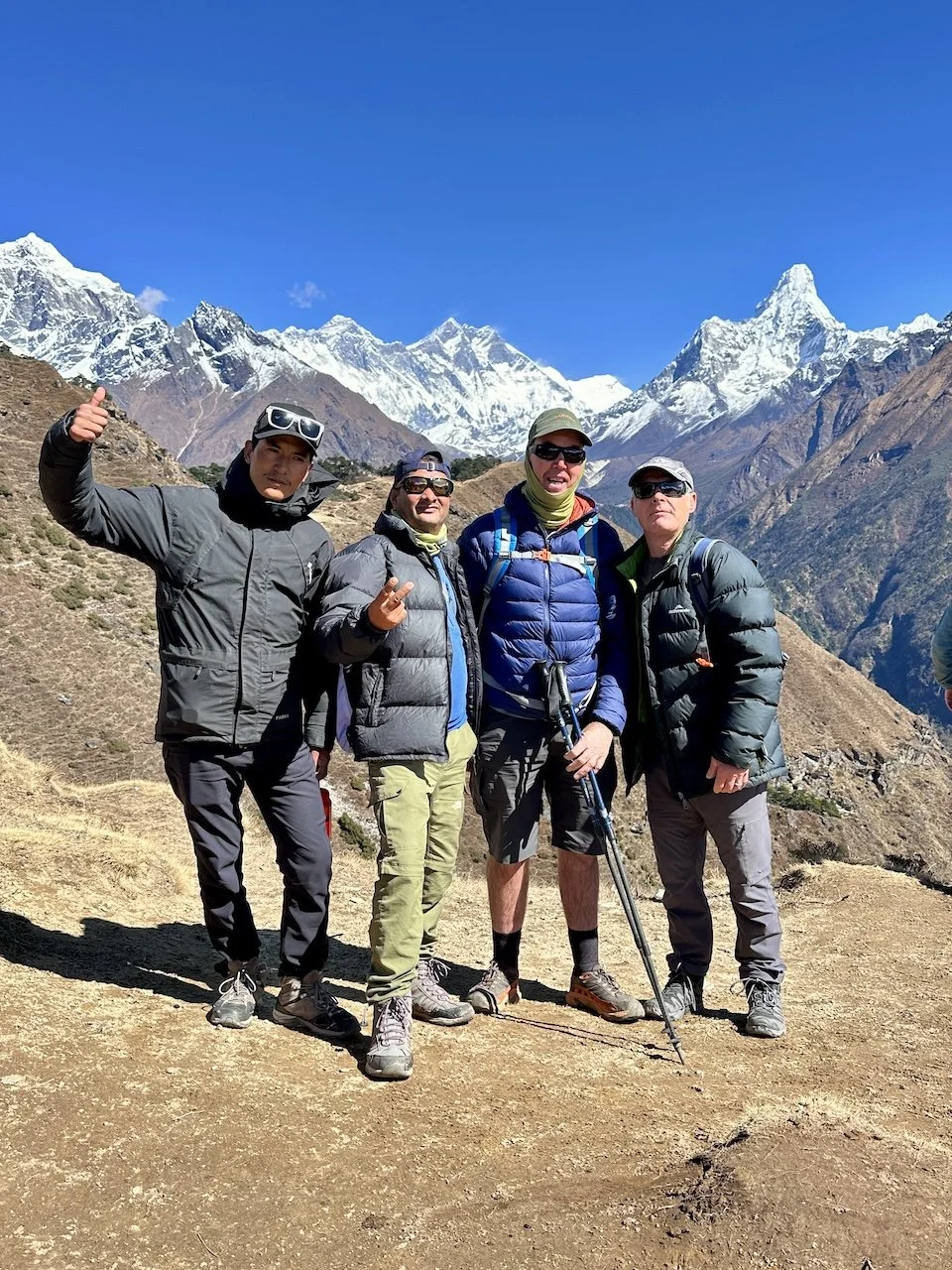
Sharon with Purtenji, Pradip and Prashant in Lukla, Everest Base Camp Trek
What Trek Prep Actually Prepares You For
The physical preparation matters. The training, the gear, the altitude strategy, all of it is covered in Trek Prep, my 1:1 coaching package for people heading into a Himalayan trek.
But what it also prepares you for is everything above. The mental side. Knowing how to manage a hard day. Understanding what your body is telling you and when to listen. Arriving in Nepal with clarity and confidence rather than anxiety and crossed fingers.
After leading multiple groups to Himalayan Base Camps, I know the difference between someone who arrives prepared and someone who arrives hoping for the best. Trek Prep exists because I want everyone to arrive prepared.
That's exactly why I created it.
Find out more about Trek Prep here.
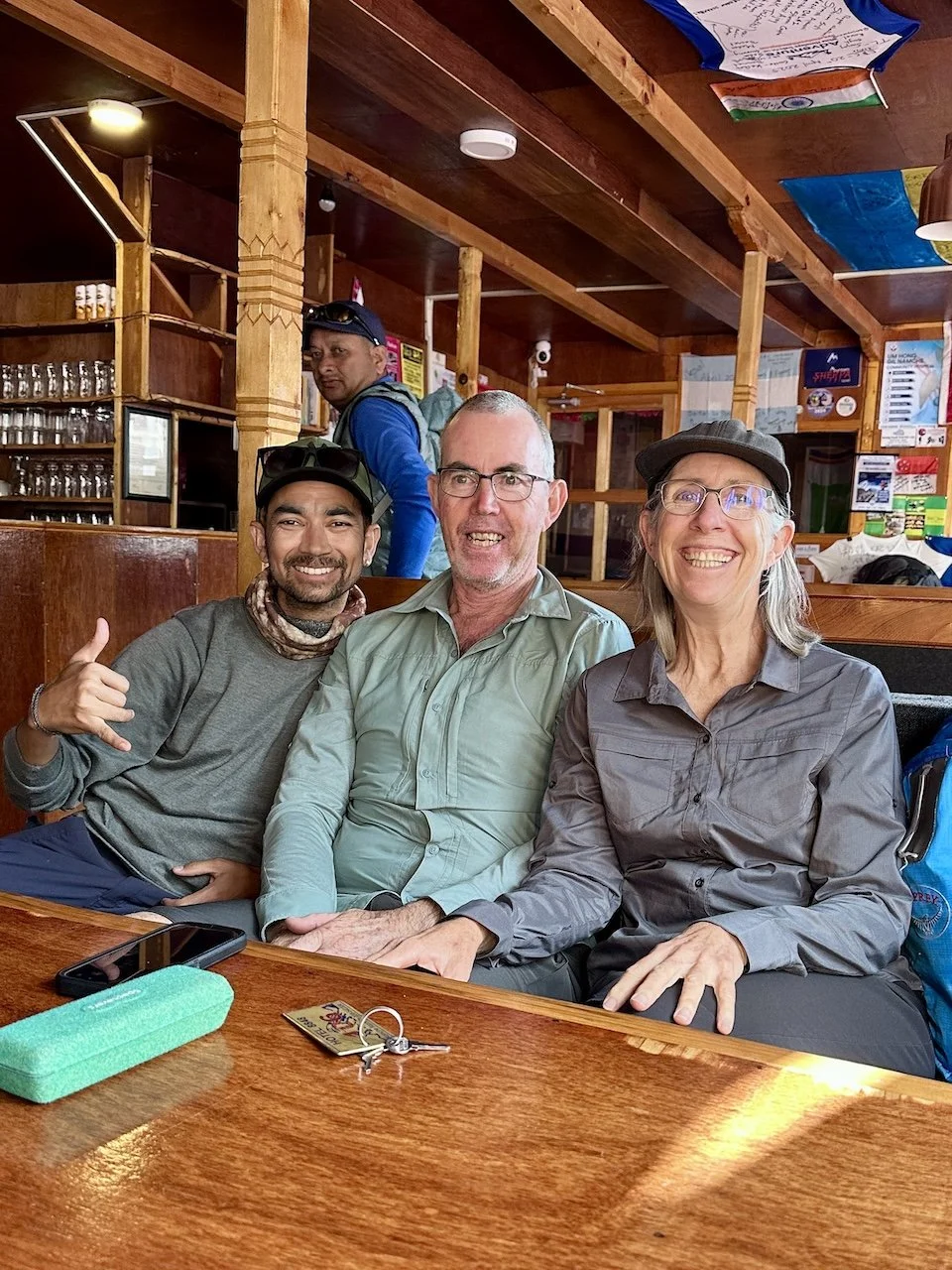
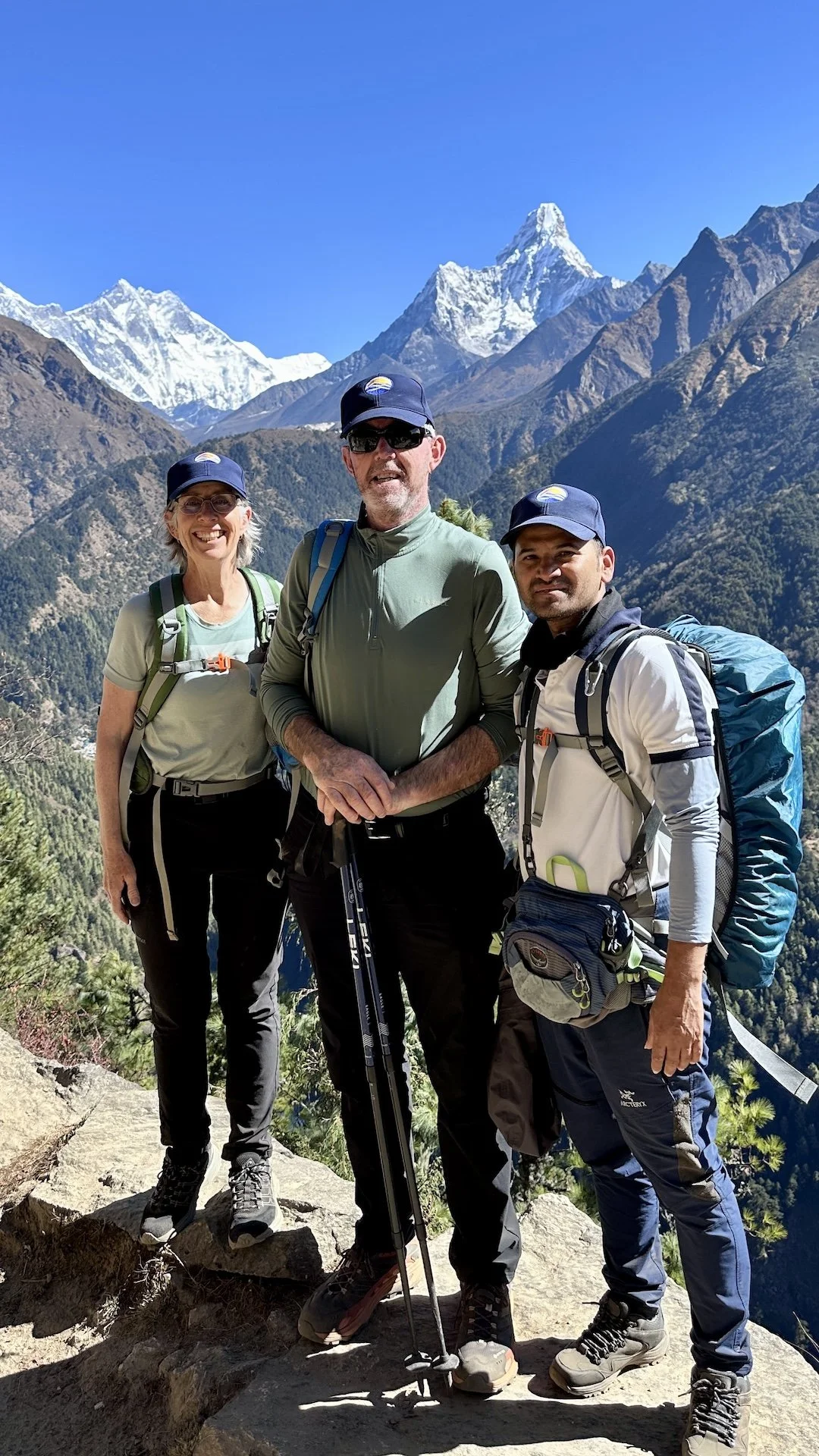
Sharon Evans is an HRT Adventure Leader and New Zealand's small group Himalayan trekking specialist, trusted by trekkers across Australasia. She leads small group treks to Everest Base Camp and Annapurna Base Camp, and offers 1:1 Trek Prep coaching for people preparing for their Himalayan adventure.
On the morning of August 26, 2026, a glacial collapse near the Nepal-China border triggered a catastrophic flash flood down the Bhote Koshi and Trishuli river systems. Hundreds are confirmed dead, thousands remain missing.
The guides and porters who make trekking in Nepal possible live in these mountains. They are not abstract. They are real people dealing with real crisis. And if you've trekked in Nepal, if you've sat in a teahouse and listened to your guide's stories, then you know these people matter.
This is the story of what happened, why it matters, and what resilience actually costs when repeated disaster is the cost of staying alive.