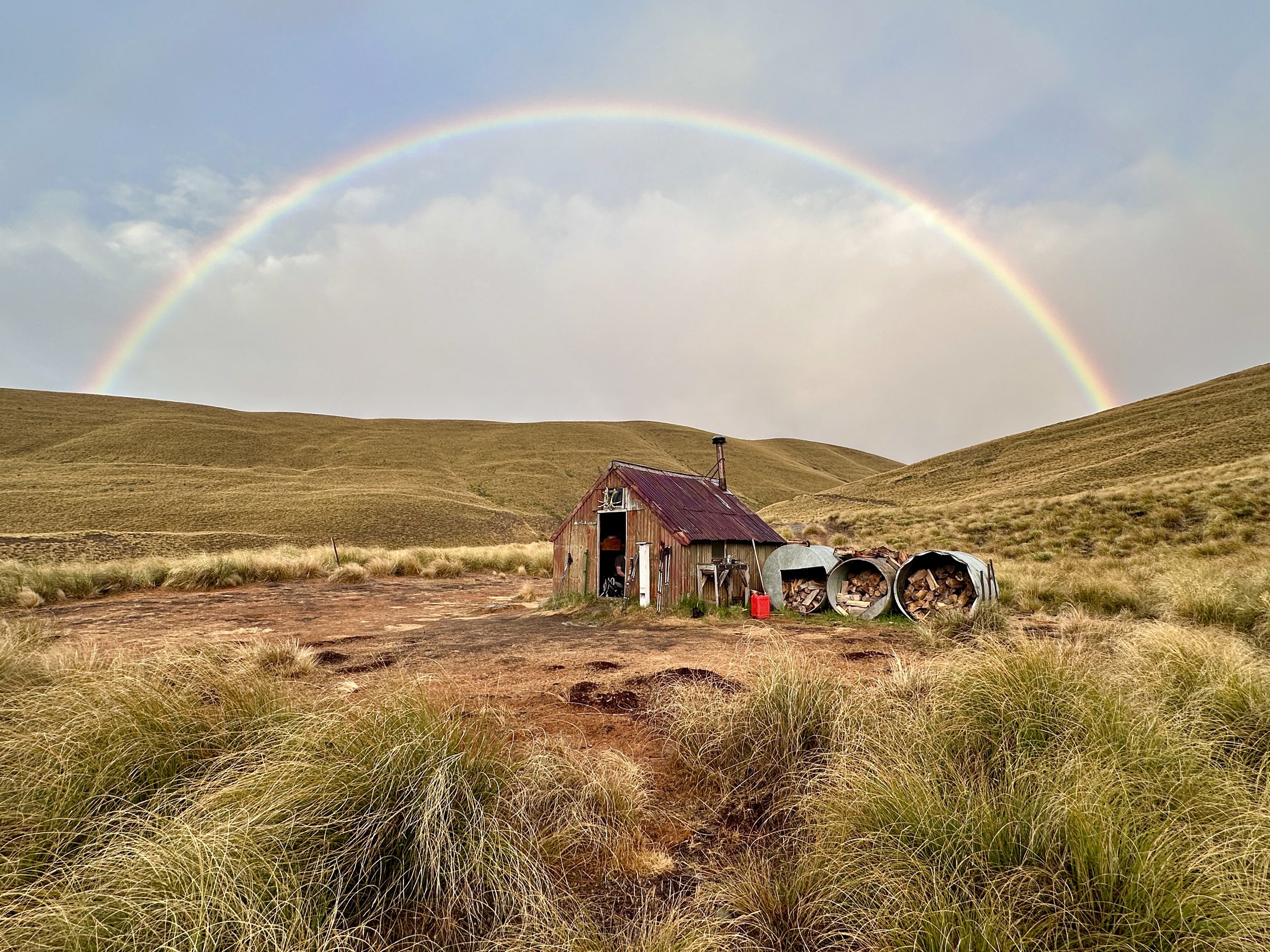
Trail Notes, Trip Stories and Honest Advice from the Field
The Freewheeling Kiwi Blog
Sharon Evans is the founder of Freewheeling Kiwi and one of Australasia's leading small group Himalayan trekking specialists
She has walked the full length of Te Araroa — 3,000 kilometres from Cape Reinga to Bluff — and led multiple groups to Everest Base Camp with a 100% summit success rate. She also treks in Australia, Bhutan, the Annapurna region and across New Zealand.
Why Nepal Resilience Matters
On the morning of August 26, 2026, a glacial collapse near the Nepal-China border triggered a catastrophic flash flood down the Bhote Koshi and Trishuli river systems. Hundreds are confirmed dead, thousands remain missing.
The guides and porters who make trekking in Nepal possible live in these mountains. They are not abstract. They are real people dealing with real crisis. And if you've trekked in Nepal, if you've sat in a teahouse and listened to your guide's stories, then you know these people matter.
This is the story of what happened, why it matters, and what resilience actually costs when repeated disaster is the cost of staying alive.
Te Araroa - Fear Doesn't Disqualify You
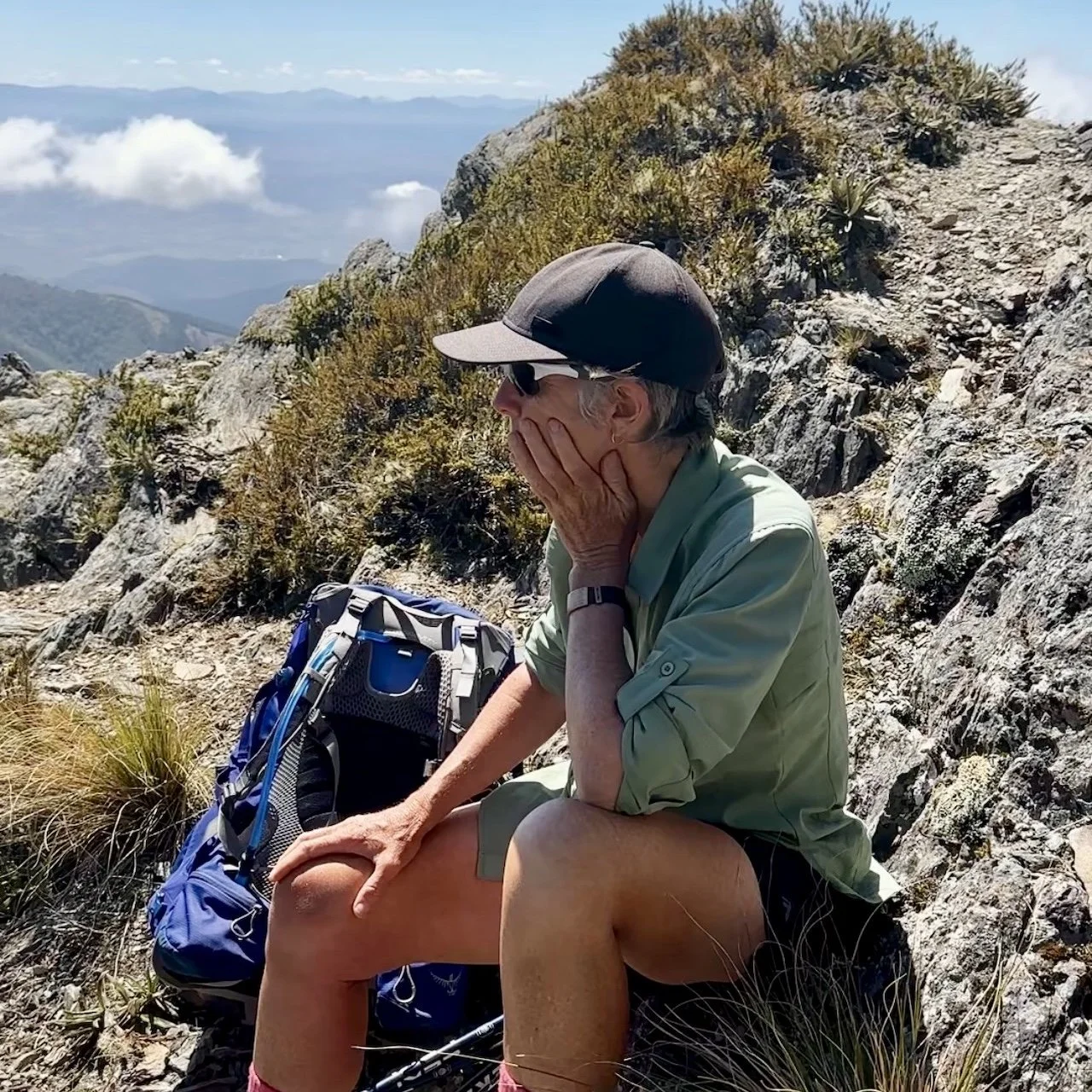
Day 80 on Te Araroa. Eighty days without a rest day, pushing through foot injuries, running a business remotely, creating content, managing comments and brand partnerships while walking the length of Aotearoa.
The Richmond Range ridgeline is where it all caught up with me, not because I couldn't finish the walk, but because the weight of everything else made me stop.
This is the story of what happens when you ask for help, when a stranger named Leah shows up with Christmas cake, and why stepping back sometimes takes more strength than pushing forward.

What to Eat on a Himalayan Trek (And Why It Actually Matters)
Food is always the first thing trekkers stop thinking about and the last thing they should.
At altitude your body is working harder than it ever has, your appetite drops off right when you need fuel most, and the decisions you make at the tea house table matter more than most people realise.
Here's what you need to know before you go.
What My Trekkers Can Expect on the Annapurna Base Camp Trek
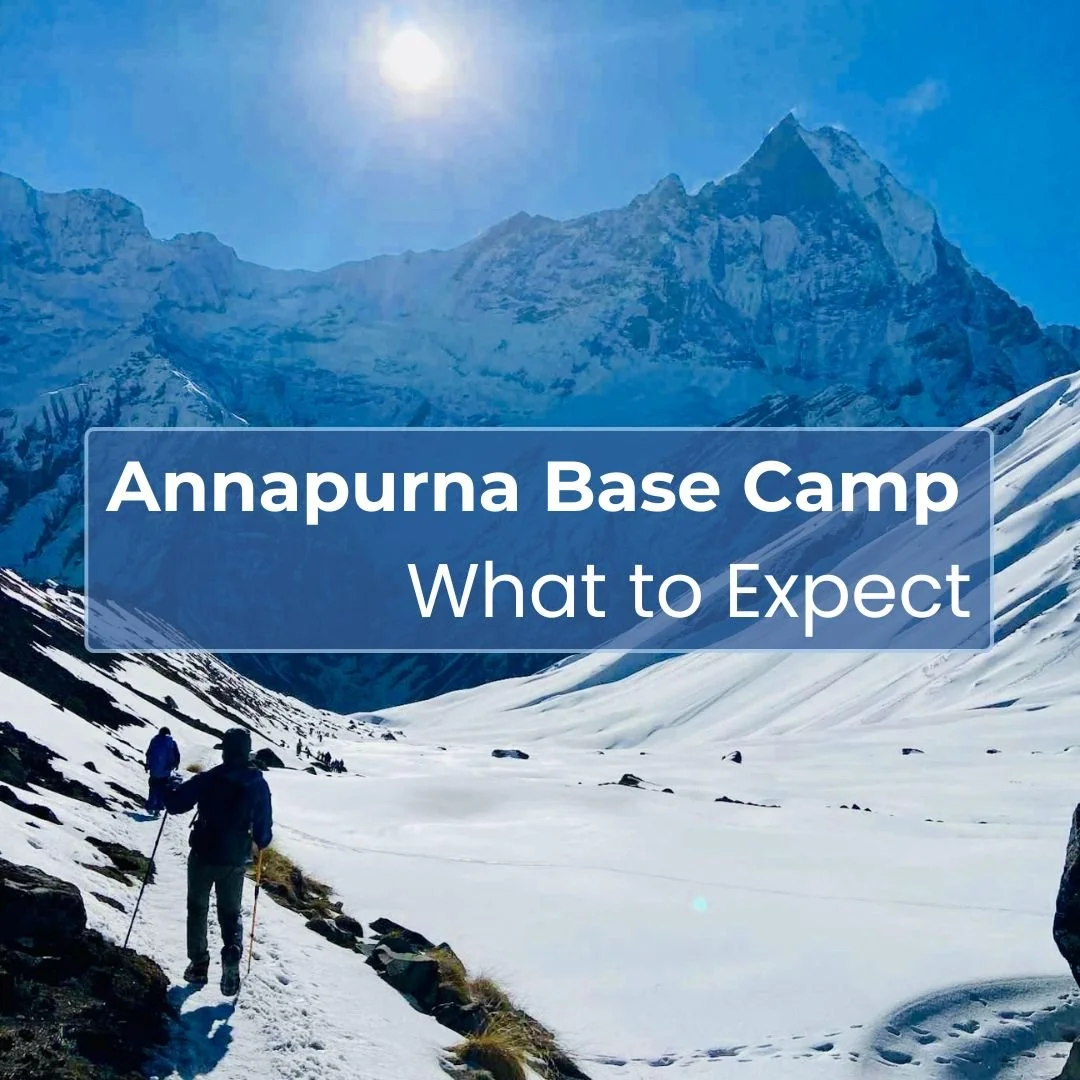
People ask me what the Annapurna Base Camp trek is actually like. Not the glossy brochure version. The real version. What are the days like, what will you see, what will you feel, what will surprise you? After leading multiple groups to Himalayan Base Camps, I know exactly what this trek delivers. And it delivers more than most people expect.
Ten days. Kathmandu to Pokhara, rhododendron forest to glacial moraine, tea house dinners to the moment the Annapurna Sanctuary opens up around you at 4,130 metres. Here is the full picture, day by day, based on our group trek departing 28 October 2026.
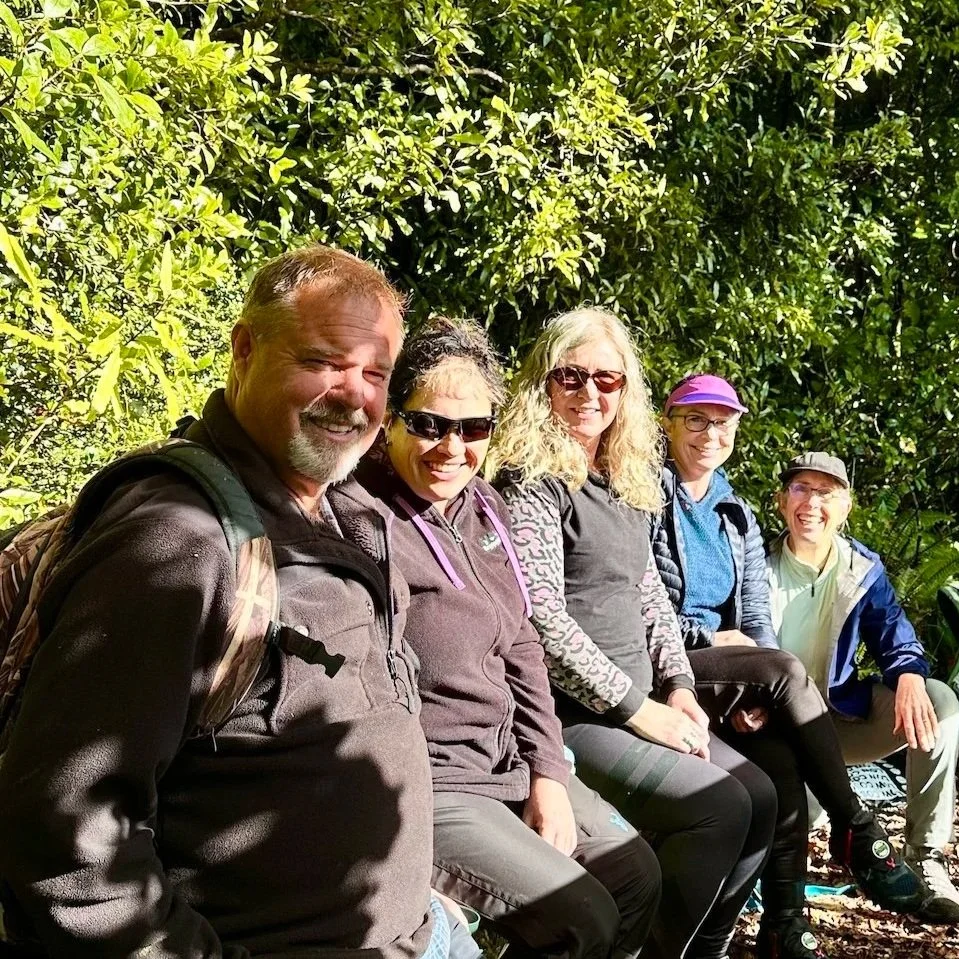
Reset and Recharge at Lake Ōkataina
There's a particular kind of quiet that settles over a group standing above a lake nobody's spoken about yet. That was Rotongata, sun on the water, no one in any hurry to say something.
The July Reset and Recharge Walk took us into the Ōkataina Trails near Rotorua, through towering kahikatea, twin crater lakes, and a 10 metre waterfall called Te Auheke — tumbling water.
This is the story of that day.
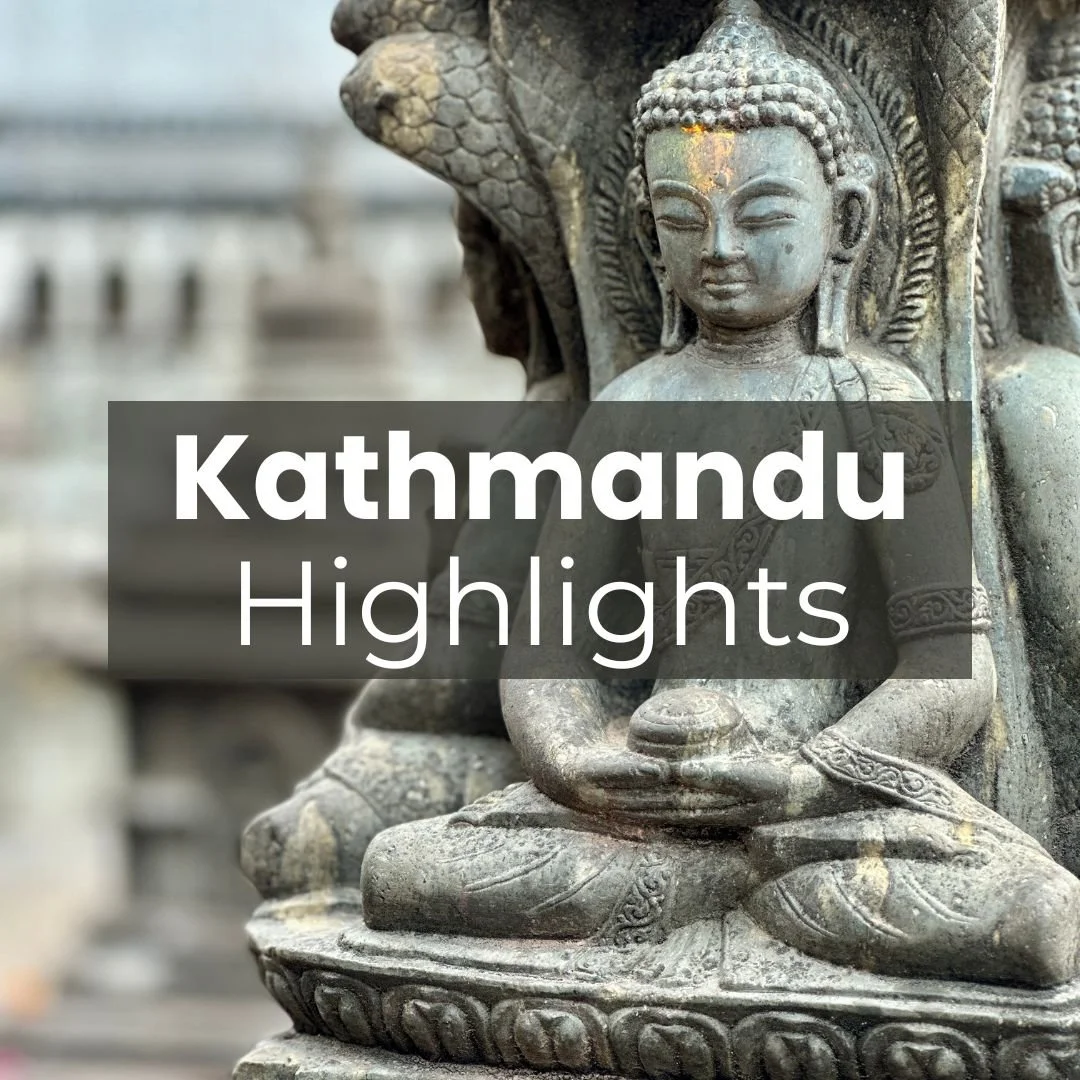
Kathmandu: Don't Just Pass Through
I love Kathmandu and I find it genuinely, unreservedly fun. Most trekkers treat it as a formality, something to land in, sleep off, and get through before the main event begins. That's a mistake.
Kathmandu has been at the crossroads of trade, religion, and culture for over two thousand years and it rewards anyone who gives it proper attention.
Here's what's waiting for you, including why I planned our 2026 departure dates deliberately around Tihar, Nepal's Festival of Lights.
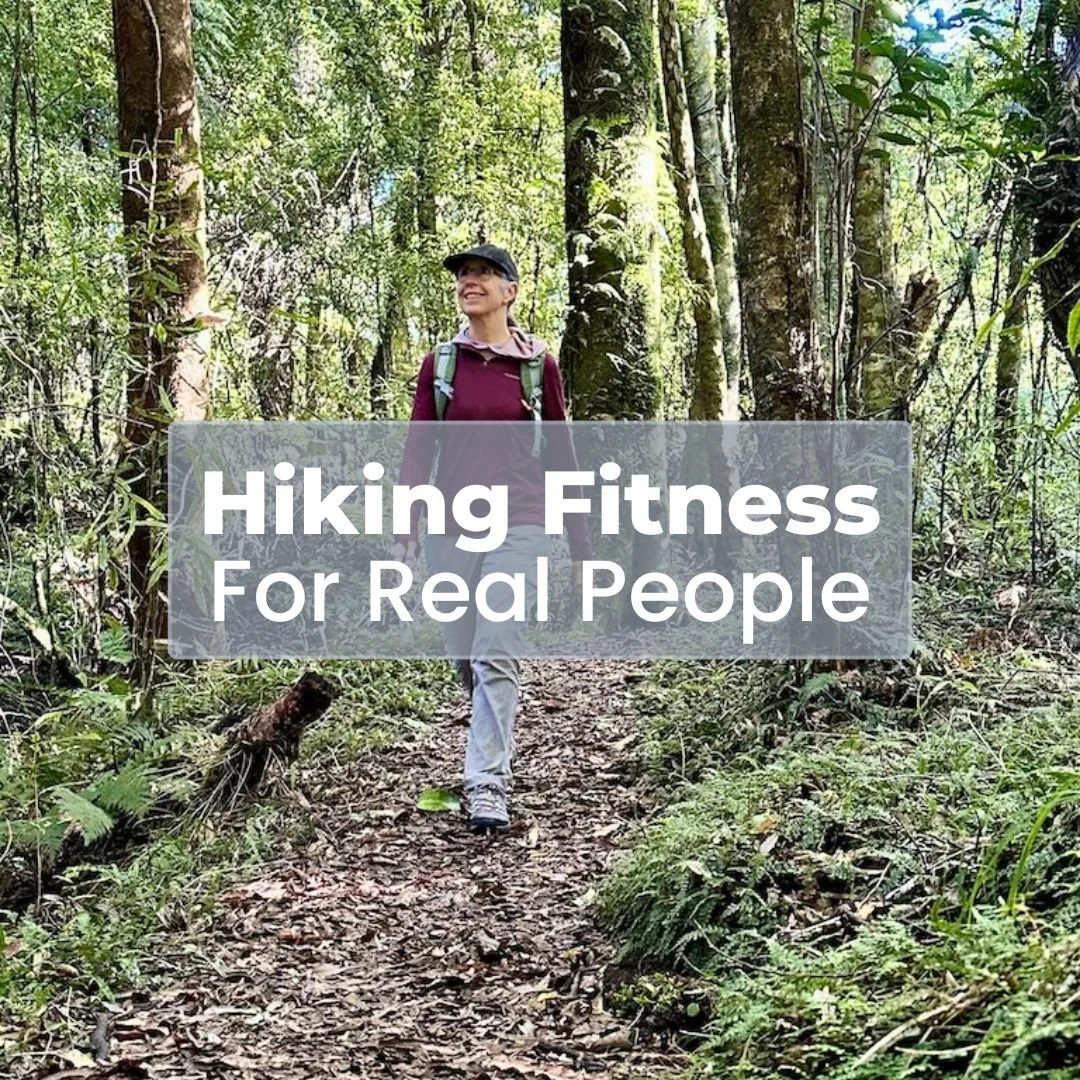
Hiking Fitness for Real People: How to Get Trail Ready Without Living at the Gym
Think you need to be super fit before you start hiking? Think again. The truth is that hiking fitness isn't built in a gym or achieved overnight. It's built one walk, one hill and one adventure at a time.
Whether you're returning to the trails after a break or taking your first steps into the outdoors, there are simple ways to build strength, endurance and confidence without turning your life upside down.
In this article, I share the lessons I've learned from thousands of kilometres of hiking across New Zealand and beyond, along with practical tips to help you prepare for the trail.
You'll discover how to train for hiking in a way that fits real life, so you can spend less time worrying about whether you're fit enough and more time enjoying the journey. 🌿🥾
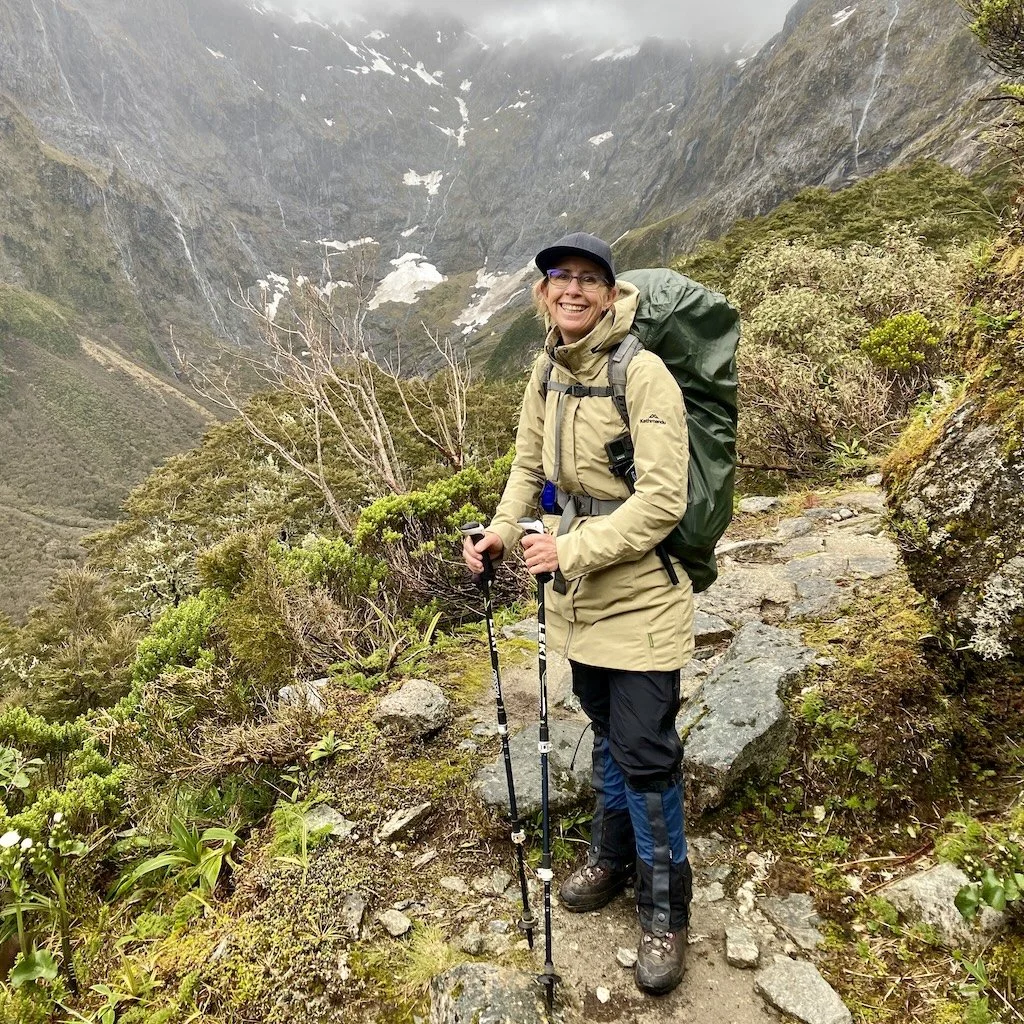
Milford Track Training: How Fit Do You Really Need to Be?
One of the most common questions prospective Milford Track walkers ask is, "Am I fit enough?"
The good news is that you don't need to be an athlete to complete New Zealand's most famous Great Walk.
In this practical guide, I share my experience of the track, what level of fitness is really required, how to prepare for Mackinnon Pass, common training mistakes, and why carrying a lighter pack can often make a bigger difference than spending extra hours in the gym.
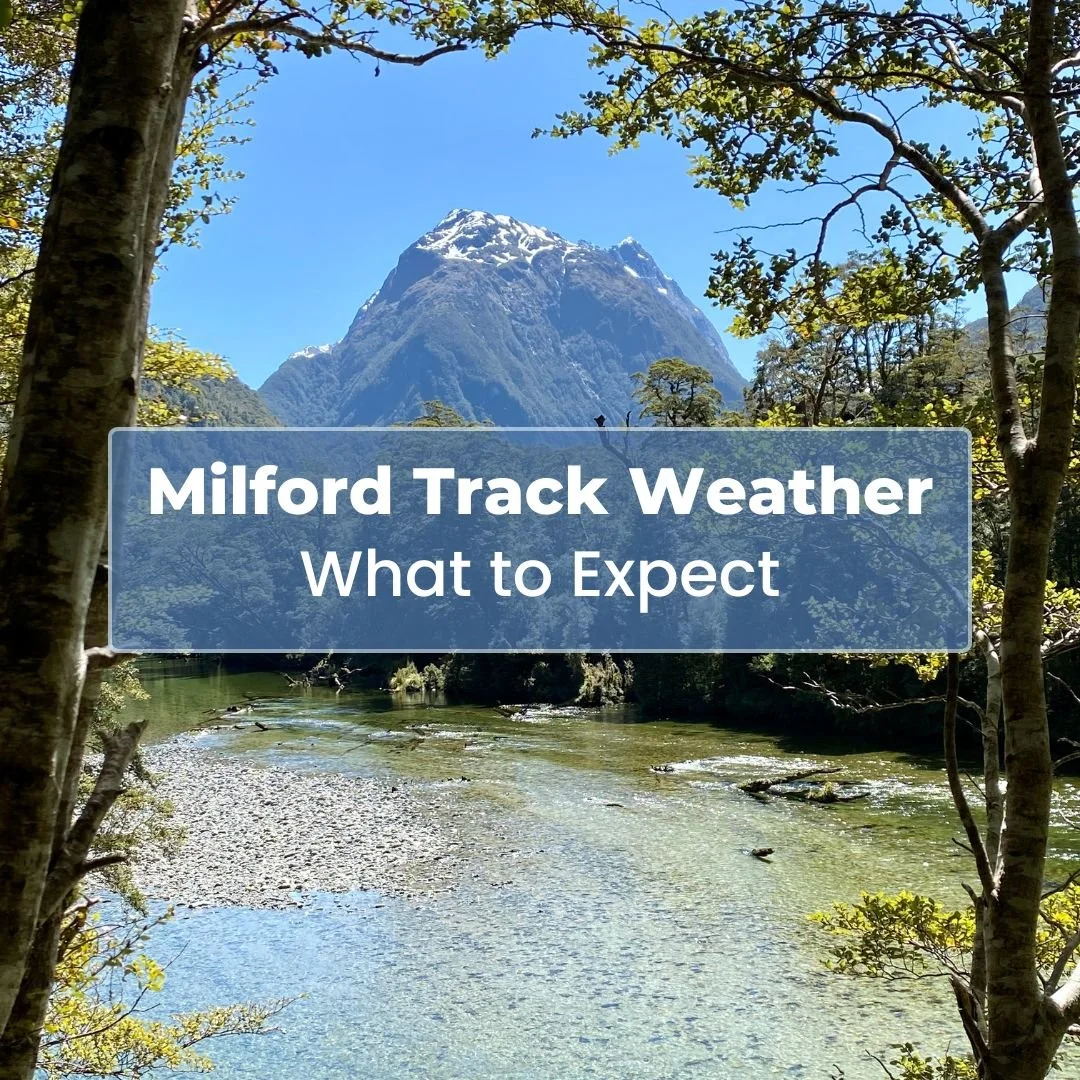
Milford Track Weather: What to Expect in Every Month of the Great Walk Season
Planning to walk the Milford Track and wondering what weather awaits?
From spring snow on the surrounding peaks to summer sunshine, autumn mist, and Fiordland's famous rain, conditions can vary dramatically throughout the Great Walk season.
In this month by month guide, I'll share what to expect, how the weather shapes the experience, and why a little rain might actually make your Milford Track adventure even more memorable.
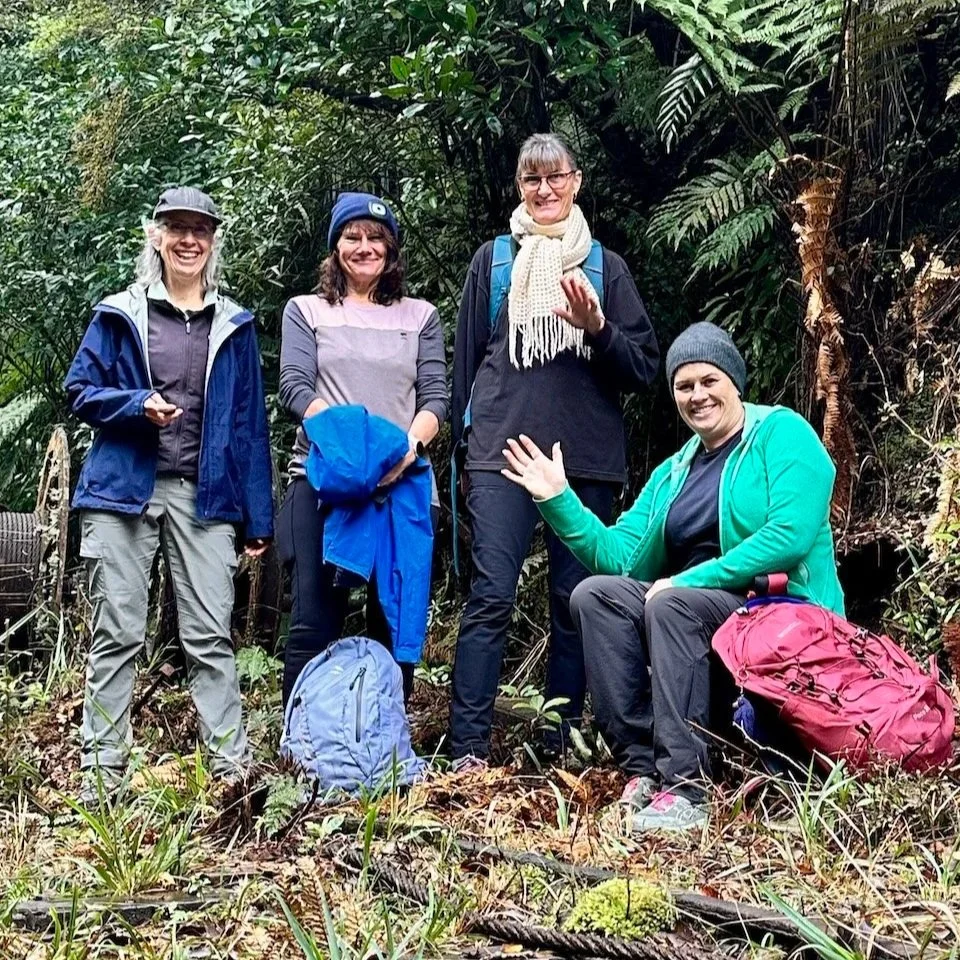
Reset and Recharge in the Waiorongomai Valley
Every walk teaches you something. This one taught me that gold miners were tougher than any of us, that a broken gas bottle is character building, and that sometimes the best thing you can do after six hours in the bush is lower yourself into a hot pool and stay there.
The June Reset and Recharge Walk took us into the Waiorongomai Valley near Te Aroha, a place most people have driven past without ever stopping.
What they don't know is what the valley reveals only to those who walk into it — gold mine tunnels, hidden waterfalls, a swingbridge into the dark, and history scattered through the bush like it was left there yesterday.
This is the story of that day.
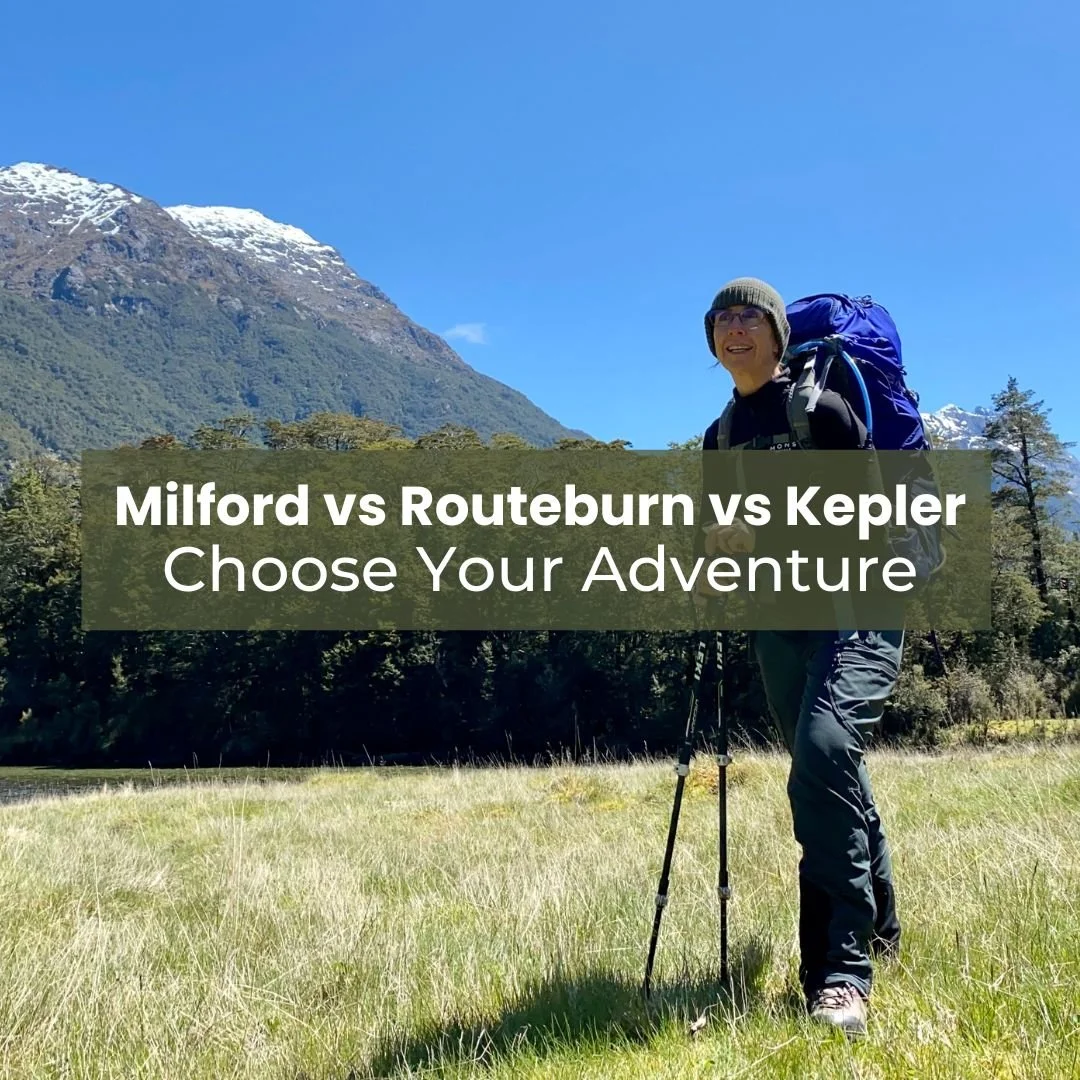
Milford Track vs Routeburn vs Kepler: Which Great Walk Should You Choose?
Planning a New Zealand Great Walk but unsure which trail deserves a place on your bucket list? The Milford, Routeburn, and Kepler Tracks are three of the country's most iconic multi day hikes, each offering a unique mix of scenery, challenge, and adventure.
From Milford's towering waterfalls and remote Fiordland wilderness to Routeburn's spectacular alpine vistas and Kepler's sweeping ridgeline views, choosing between them isn't always easy.
In this detailed comparison, I'll share my firsthand experiences on all three tracks and compare the scenery, difficulty, logistics, costs, booking challenges, and overall experience to help you decide which Great Walk is the best fit for your next adventure.
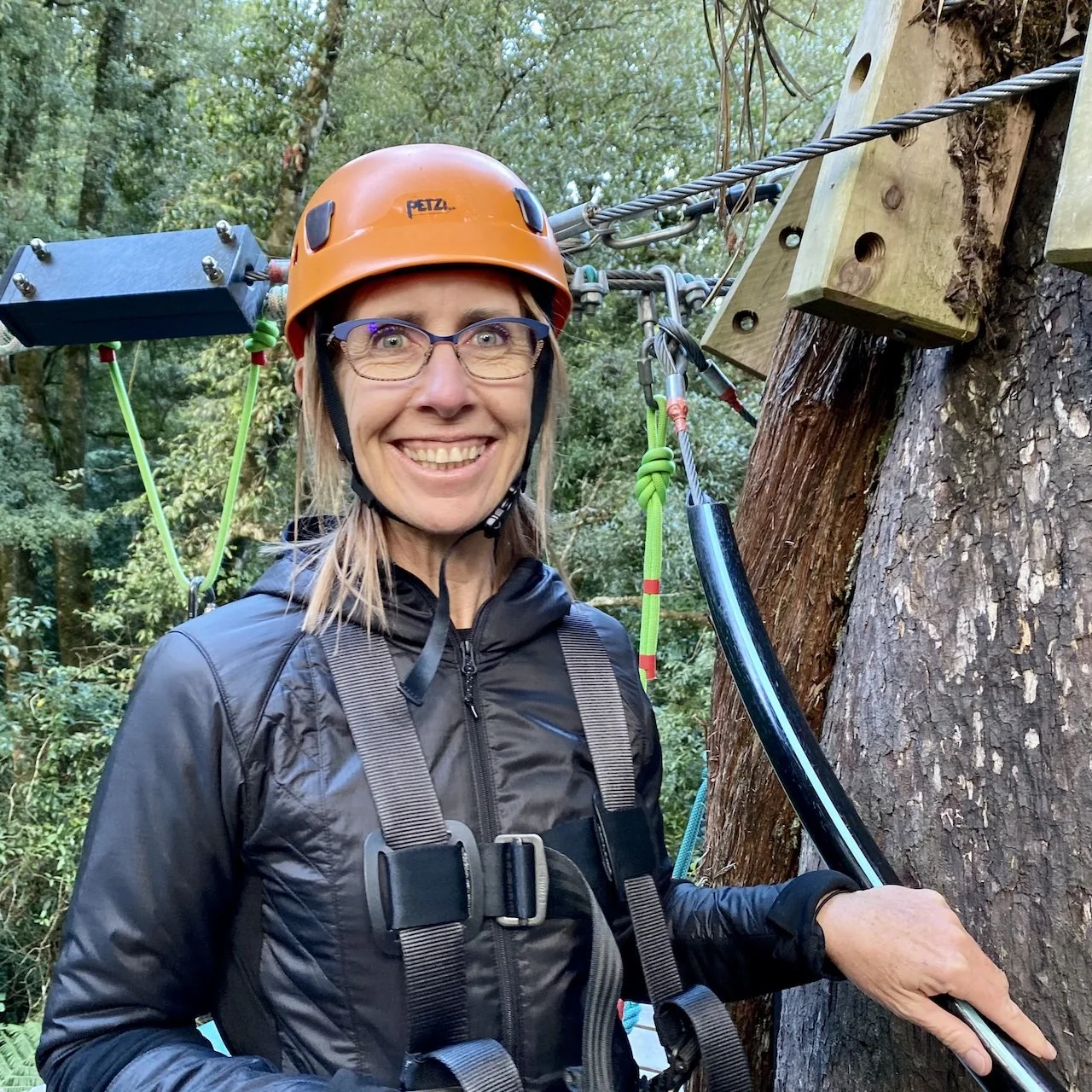
What a Zipline Tour Taught Me About Running Adventure Experiences
A zipline tour in Rotorua became an unexpected reminder that great adventure tourism has very little to do with adrenaline alone.
From safety culture and guest experience to trust, storytelling and operational leadership, the parallels between guiding trekkers in the Himalayas and running high quality adventure experiences in New Zealand are surprisingly similar.
Reset and Recharge in the Kauaeranga Valley
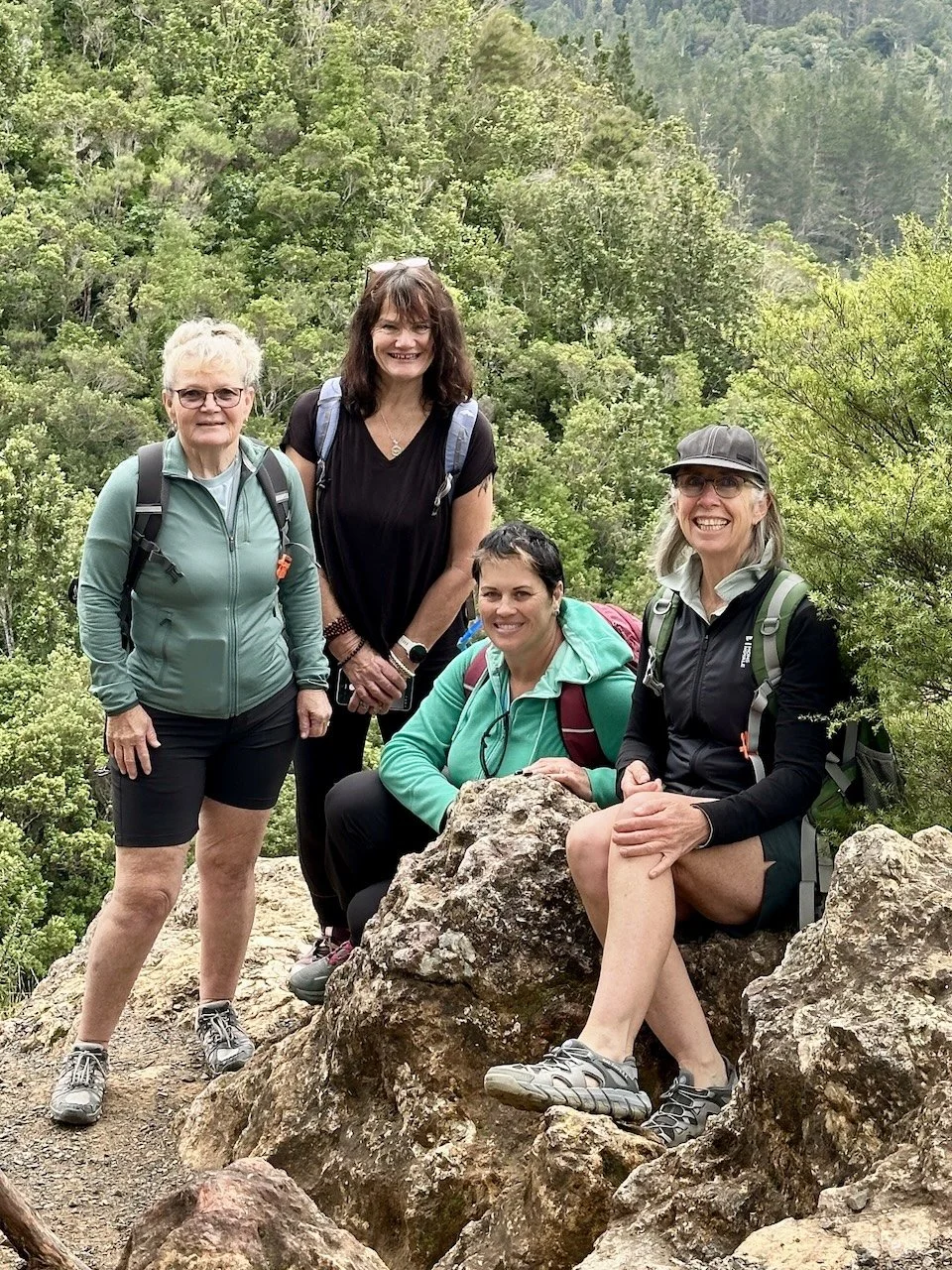
Every idea has a beginning. This one had four women, a Coromandel valley, and a very cold river.
Sharon, Lietta, Karen and Irene gathered from across the North Island for the very first Freewheeling Kiwi Reset and Recharge Walk.
They walked without hurry through ancient native forest, stood beneath a 900 year old Kauri tree, and finished with a freezing swim in the Kauaeranga River and hot tea on the bank.
They arrived as strangers. They left as friends. This is the story of that day.
What I Wish Every Trekker Knew Before Coming to Nepal
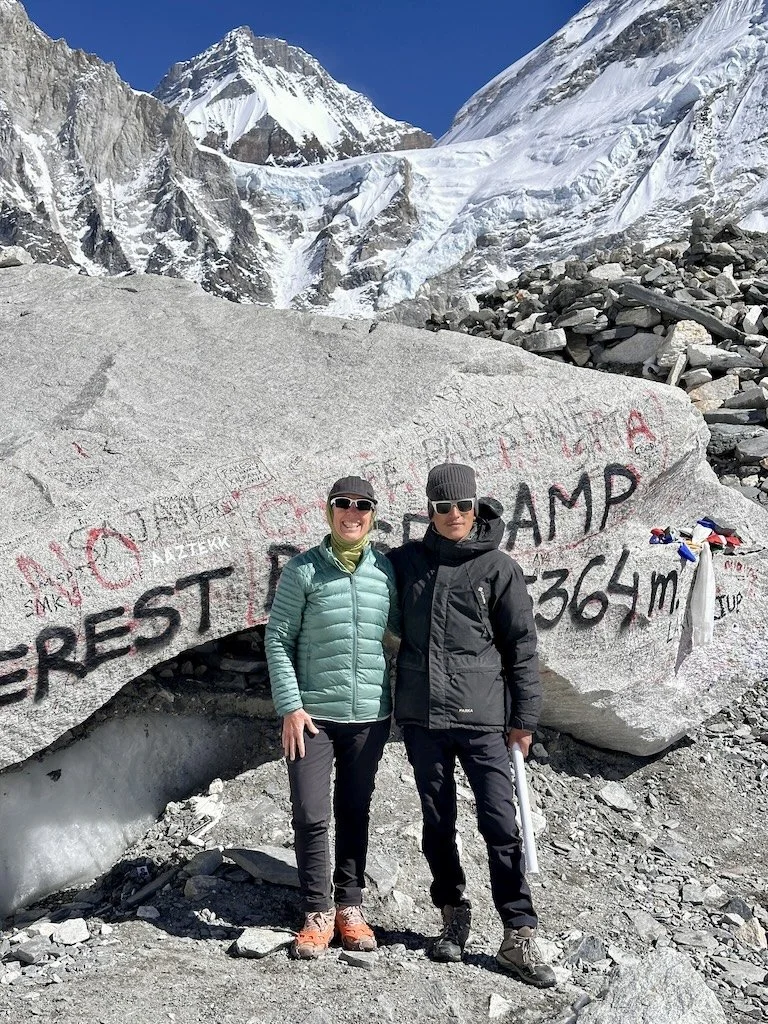
Last week my phone buzzed with a message from Nepal. It was Prashant, one of our porters, sending me a photo of his newborn daughter Diyaa, his third child. Prashant calls me Mum. So when that photo came through, it felt like getting a picture of your own grandchild.
This is what people don't tell you about trekking in Nepal. Yes, there's the altitude and the training and the gear lists. All of that matters. But underneath all of it is something that will surprise you if you're not expecting it. The people. Not just the people you trek with. The people who make the trek possible.
From First Follow to Base Camp: Why Trekking With Me Is Nothing Like Booking Online
There is no "add to cart" on my website. No instant booking, no automated confirmation email, no PDF itinerary fired into your inbox by a system that doesn't know your name.
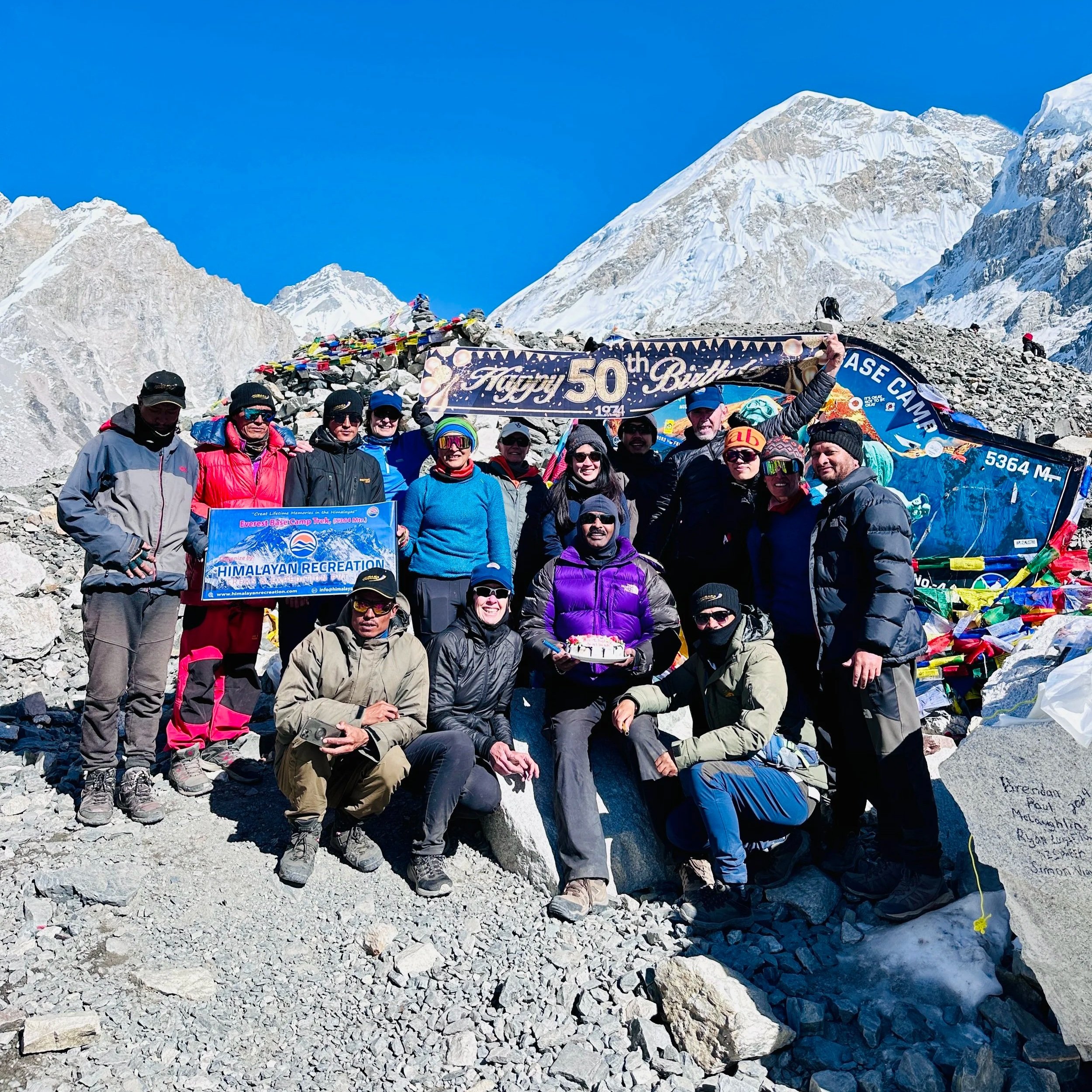
What I offer instead is something no overseas booking site can replicate — a real person, a real relationship, and a community that starts long before anyone boards a plane to Kathmandu.
With 93,000 social media followers who already feel like family, and a 100% Himalayan summit success rate, here's what the journey actually looks like when you trek with me.
Am I Fit Enough for the Everest Base Camp Trek?
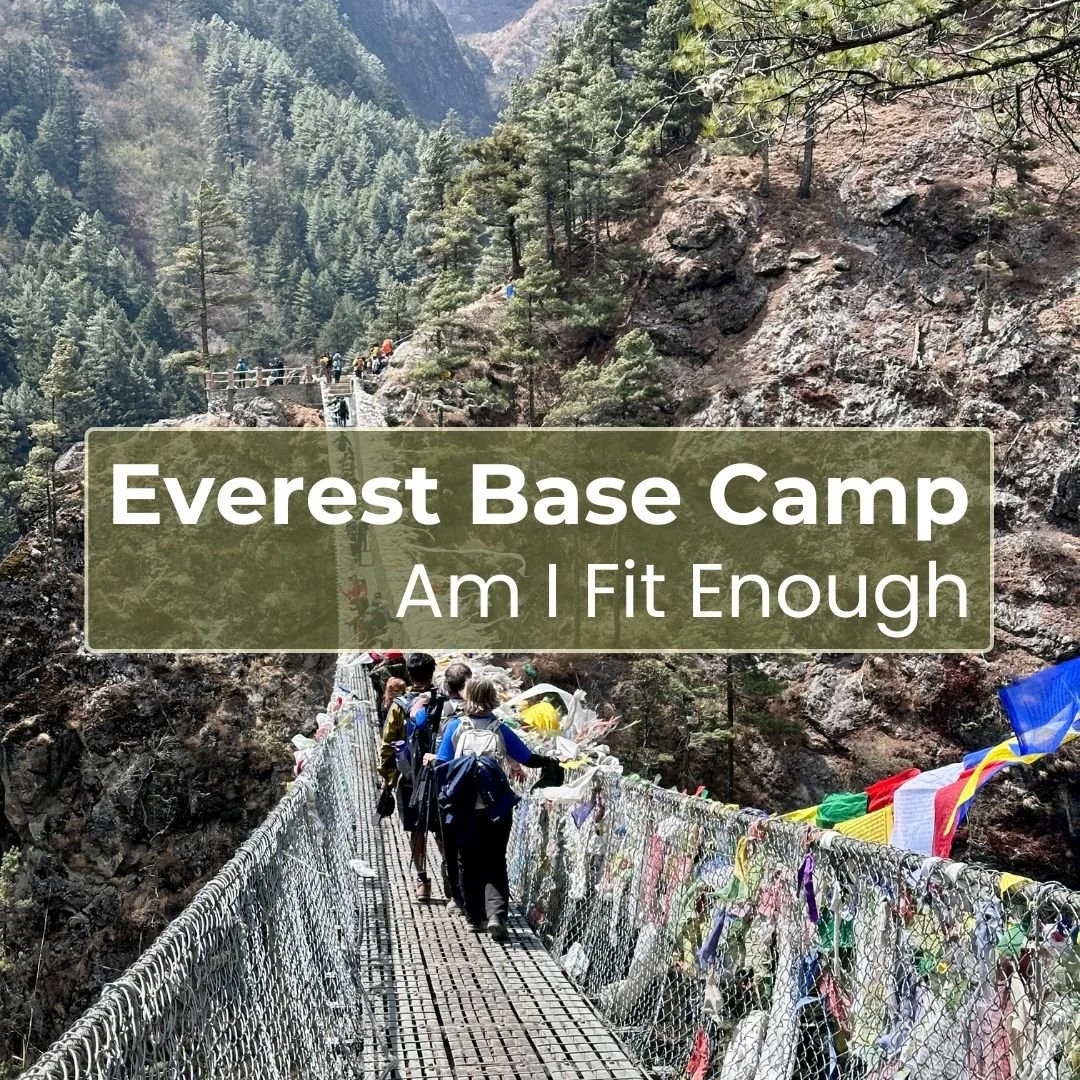
Everest Base Camp sounds enormous. And the question I get asked more than any other is: am I actually fit enough to do this? It's a fair question, because most of what you'll find online is either overly reassuring or completely terrifying.
The reality is somewhere in the middle, and it depends on you specifically. You don't need to be an athlete. You do need to be genuinely active. And you need to understand that fitness is only part of the story — because at altitude, everything changes.
Here's a straight answer, based on leading multiple groups to EBC with a 100% summit success rate.
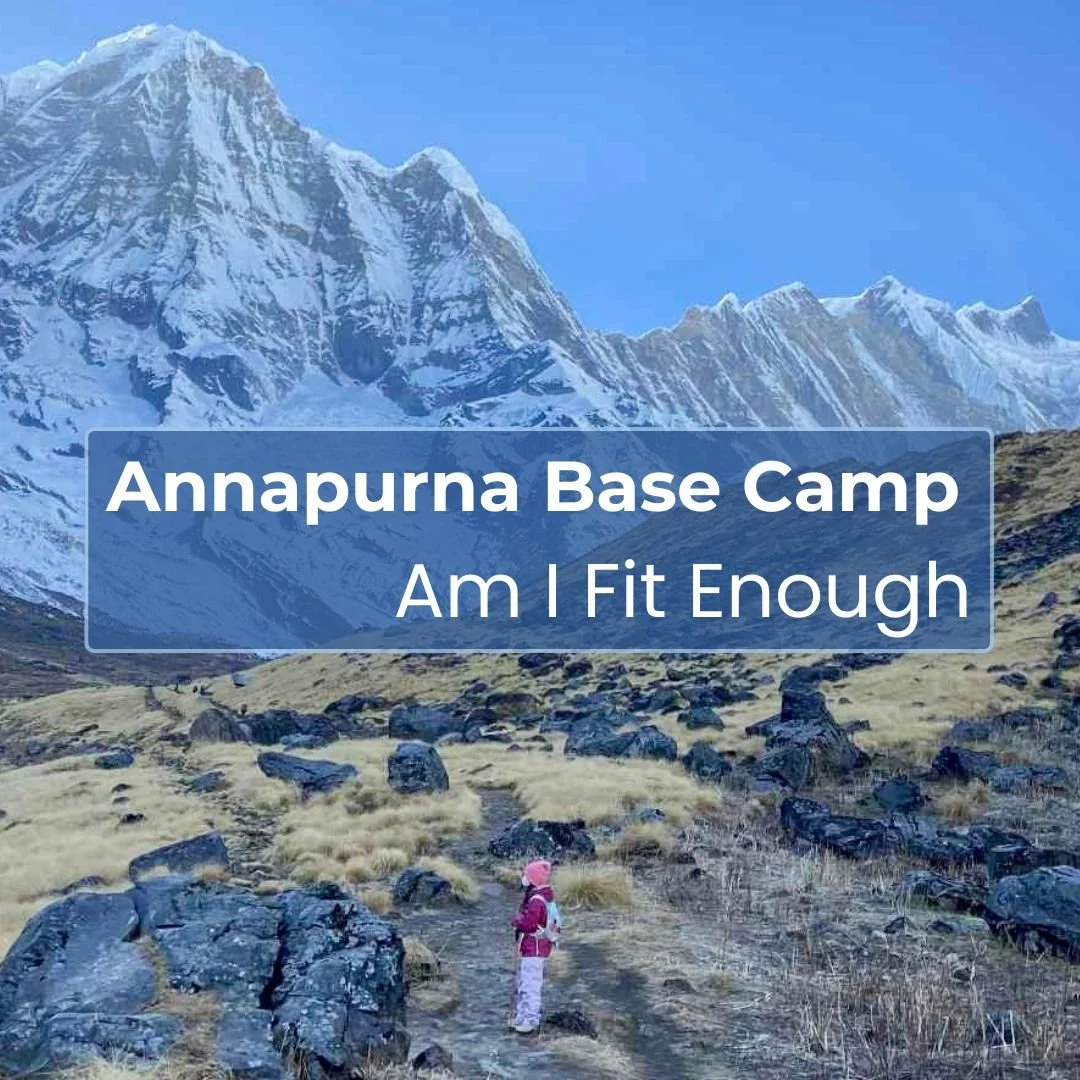
Am I Fit Enough for the Annapurna Base Camp Trek?
Annapurna Base Camp is one of the most breathtaking destinations in the Himalayas, and one of the most accessible for first-time Himalayan trekkers. But accessible doesn't mean easy. The question I hear most often is: am I actually fit enough to do this?
It's a fair question, and it deserves a straight answer rather than vague reassurance. The reality depends on where you're starting from, how much time you have before departure, and whether you're willing to prepare with intention. Here's what you actually need to know, from someone who has led multiple groups to Himalayan Base Camps with a 100% summit success rate.
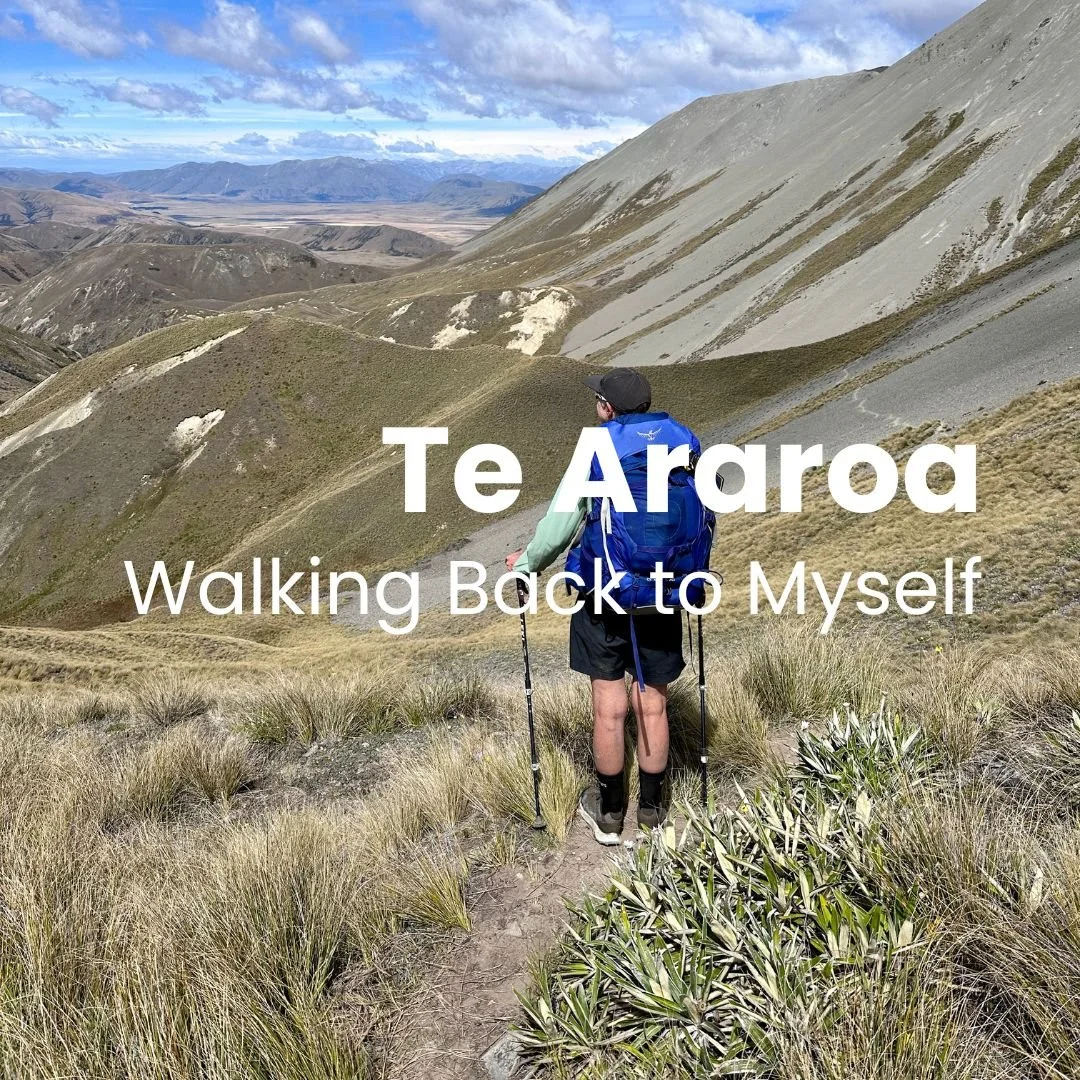
Te Araroa - Walking Back to Myself
Two years ago I walked the full length of Aotearoa, from Cape Reinga to Stirling Point in Bluff, covering more than 3,000 kilometres over 133 days.
What I expected was a physical challenge and a long-held adventure ticked off the list. What I did not expect was how profoundly the trail would reshape my understanding of rest, simplicity and coming back to myself.
The lessons did not arrive dramatically. They accumulated slowly, step by step, day by day, until something essential had quietly shifted.
Whether you are a long distance hiker or simply someone craving a proper reset, I think some of what Te Araroa taught me might resonate with you too.
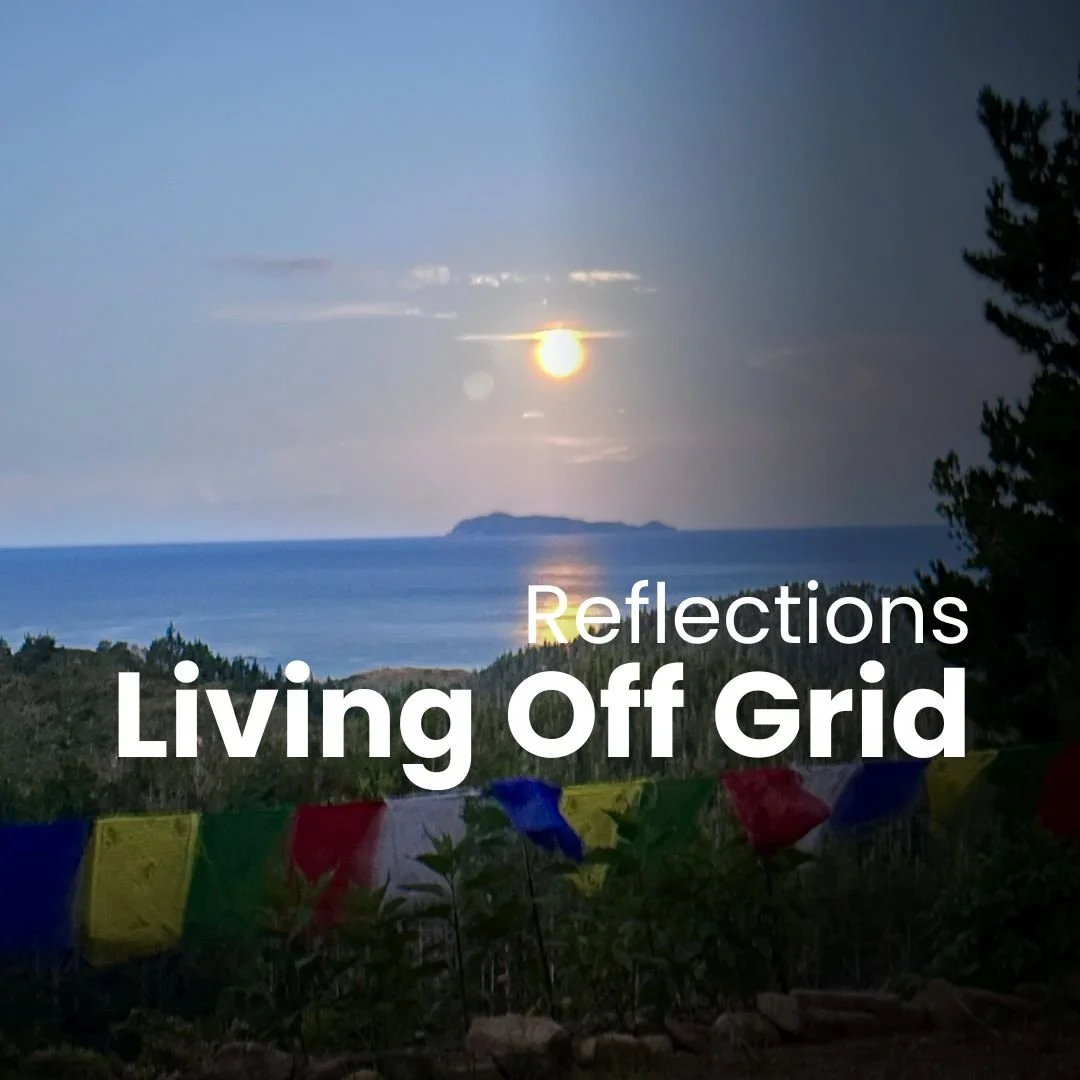
Shambhala Reflections – Life Lessons from Living Closer to Nature
Living in a tent in the Coromandel bush while we build our off-grid cabin provides us with lessons in patience, resilience and humility.
Life here is immersive: you wake with the forest, sleep with the forest, and learn to navigate a world where humans are guests rather than masters.
In this post, I reflect on the experience of becoming one with Shambhala, a place of vast contradictions. Embracing those contradictions requires respect, attention and more than a little courage.
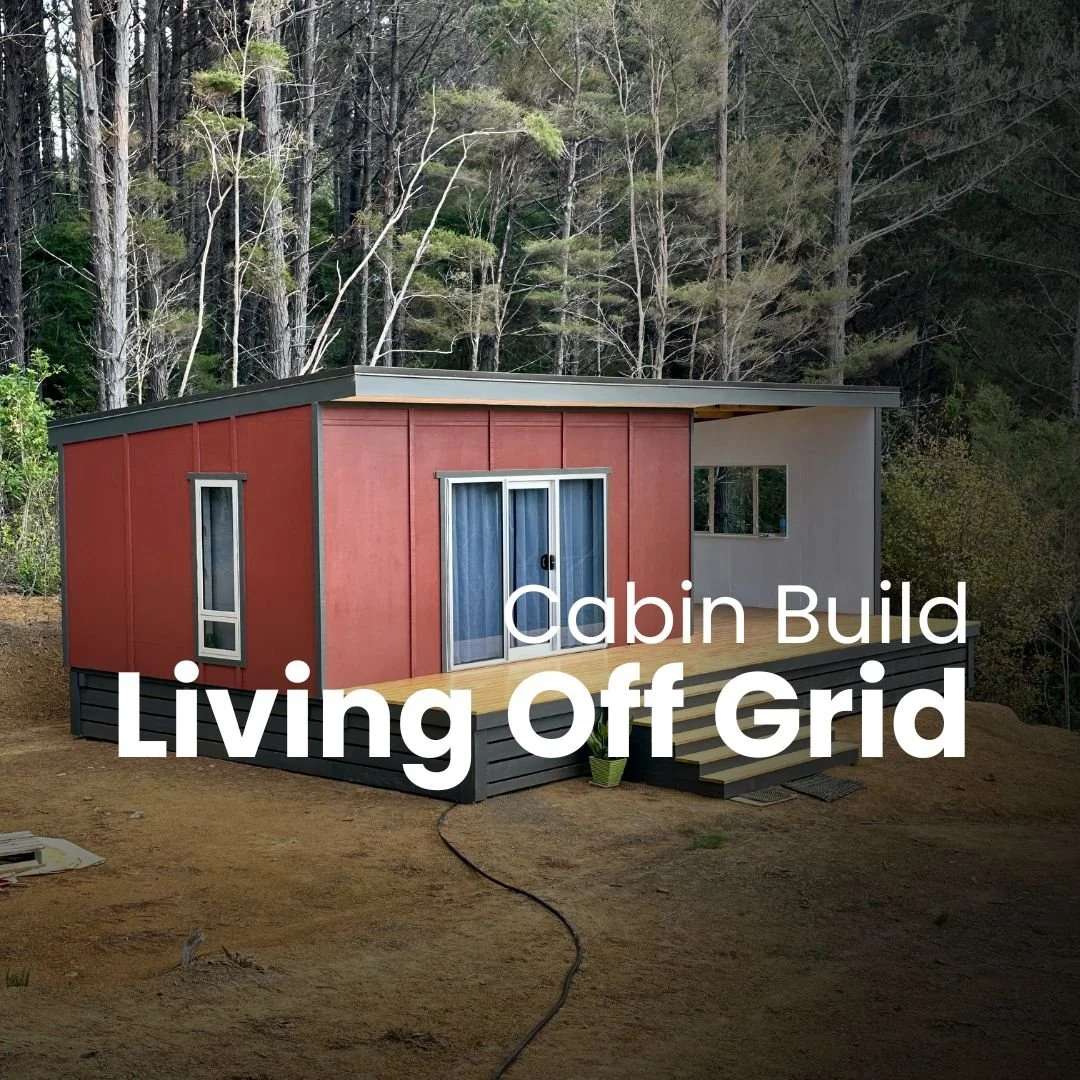
Building Our Off-Grid Cabin at Shambhala
Building an off-grid cabin in the Coromandel bush is teaching us far more than construction skills. Surrounded by native forest, wildlife, and the daily realities of tent living, every stage of the build requires patience, adaptability, and respect for the environment.
From muddy tracks and changing weather to the sounds of ruru at night and kākā overhead at dawn, the bush shapes every part of the process.
In this post, I share the experience of slowly building our cabin at Shambhala while living closely with nature. It is a story of simplicity, resilience, and learning to work with the rhythms of the bush rather than against them, all while surrounded by the untamed beauty of the Coromandel ranges.

Sharon Evans is the founder of Freewheeling Kiwi and one of Australasia's leading small group Himalayan trekking specialists
She has walked the full length of Te Araroa — 3,000 kilometres from Cape Reinga to Bluff — and led multiple groups to Everest Base Camp with a 100% summit success rate. She also treks in Australia, Bhutan, the Annapurna region and across New Zealand.