Hiking Fitness for Real People: How to Get Trail Ready Without Living at the Gym
If you've ever looked at a beautiful hiking trail and thought, "I'd love to do that, but I'm not fit enough", you're certainly not alone.
It's one of the most common concerns I hear from people who join my Freewheeling Kiwi walks. Many imagine that everyone else on the trail is a seasoned hiker with endless energy and legs of steel. The reality is usually quite different.
Most hikers aren't elite athletes. They're ordinary people who have gradually built confidence, fitness and experience over time.
The good news is that you don't need to spend hours in a gym or follow a complicated training programme to enjoy hiking. You simply need to prepare your body for the demands of walking on uneven ground for longer periods than you might encounter in everyday life.
As a Gen X woman, I know firsthand that our bodies don't always bounce back quite as quickly as they did in our twenties. We may be juggling work, family responsibilities, ageing parents, changing hormones and the general busyness of life. That makes it even more important to train smart rather than simply train harder.
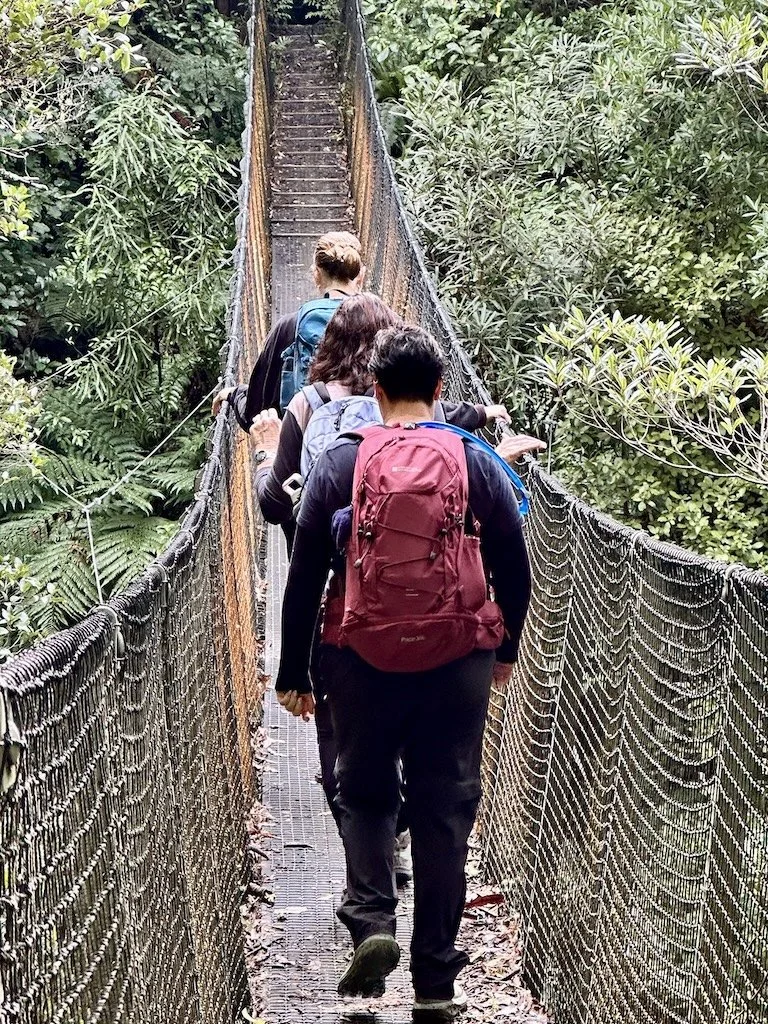
The good news is that hiking fitness isn't built in a gym. It's built one trail, one hill and one swing bridge at a time.
Why Hiking Fitness Matters
Hiking asks more of your body than a stroll around the neighbourhood.
Trails often involve hills, tree roots, rocks, stream crossings, muddy sections and uneven surfaces. Your legs work harder, your balance is challenged and your cardiovascular system has to keep up with changing terrain.
Improving your hiking fitness helps you:
Enjoy walks more comfortably
Reduce fatigue on longer outings
Build confidence on hills and uneven ground
Lower your risk of injury
Recover more quickly after walks
Feel stronger in everyday life
Most importantly, better fitness allows you to focus less on struggling and more on enjoying the beauty around you.
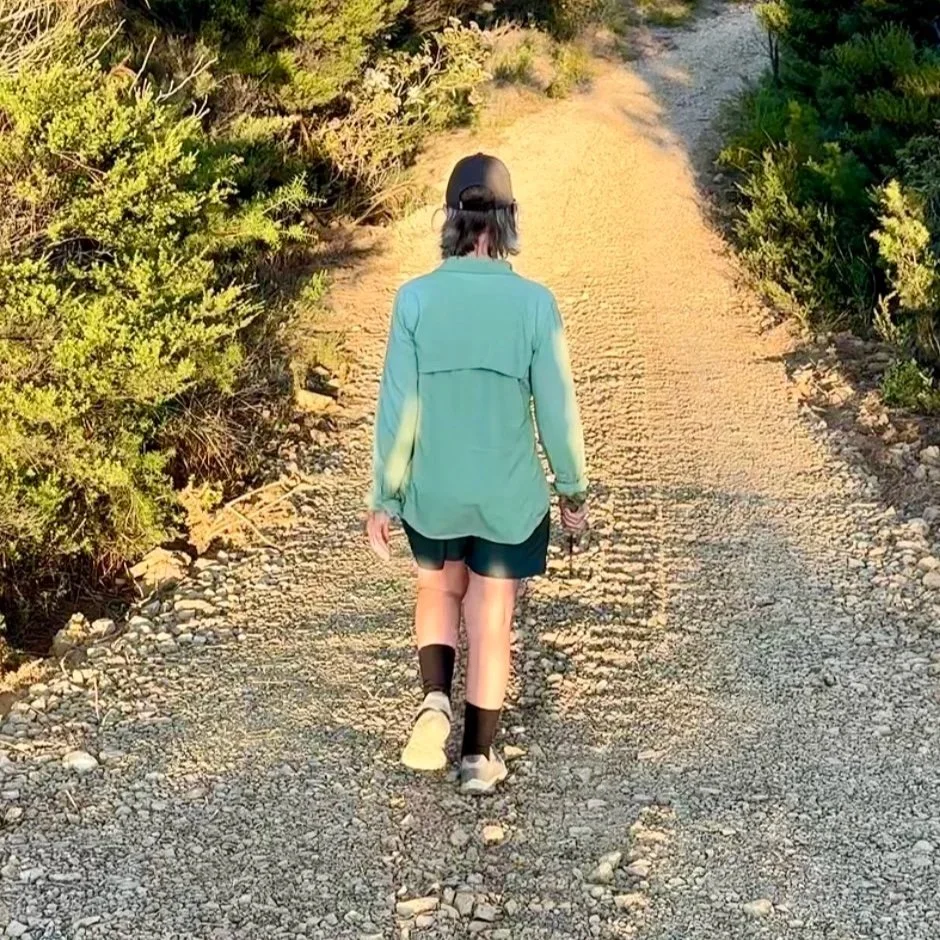
The most effective hiking training programme is often the simplest. Walk regularly, stay consistent and let the miles do their work.
The Best Training for Hiking Is Walking
This may sound obvious, but the most effective way to prepare for hiking is to walk regularly.
You do not need expensive equipment, a gym membership or a complicated exercise plan.
Start where you are.
If you're currently walking twice a week, aim for three times. If you're walking for twenty minutes, gradually build toward thirty or forty minutes. Consistency matters far more than intensity.
A few shorter walks spread across the week often provide greater benefits than one heroic effort every month.
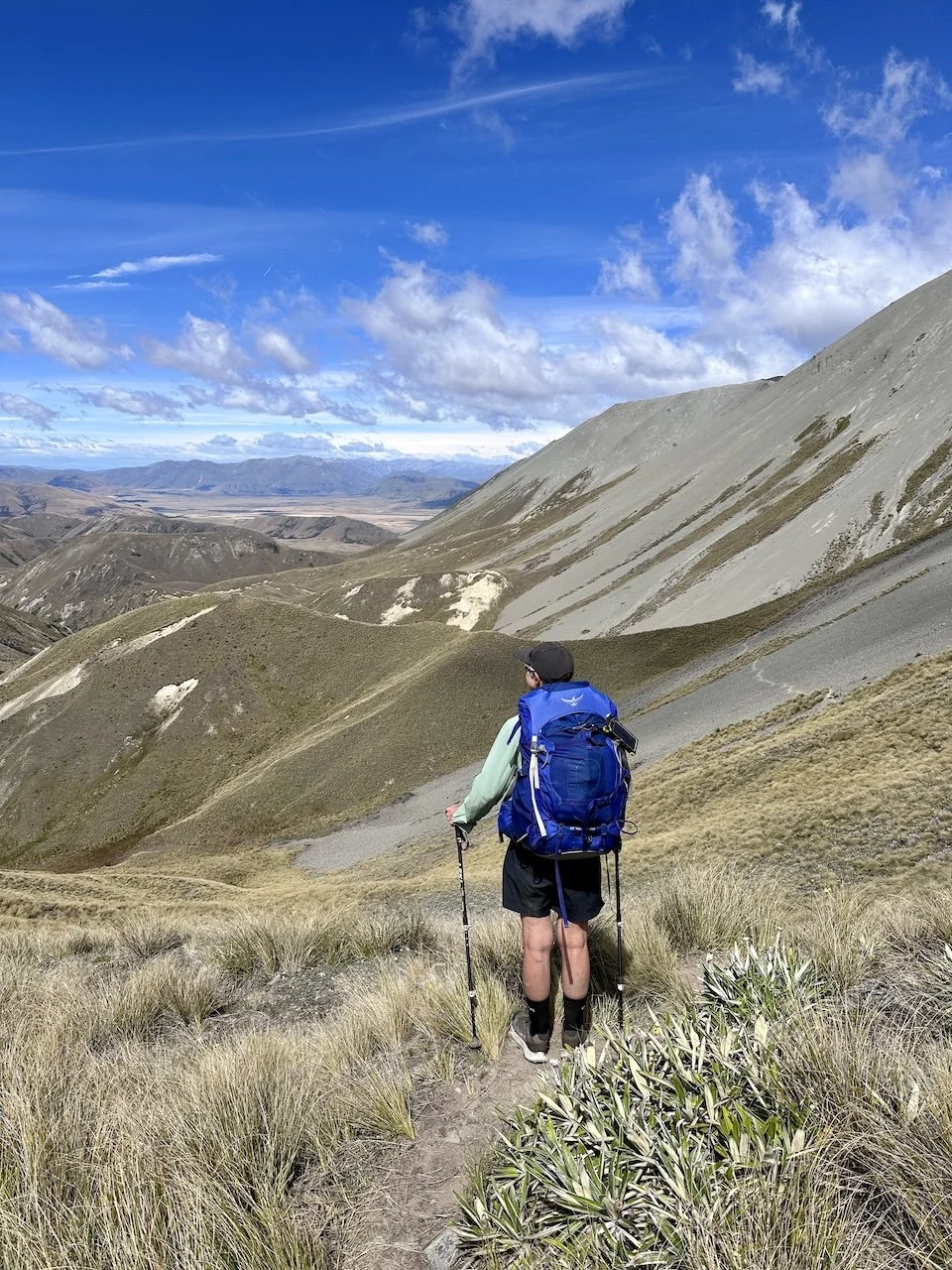
Ridgelines, tussock and a track that keeps climbing — exactly the kind of terrain that builds real hill fitness.
Clent Hills Saddle, Te Araroa Day 103
Learn to Love Hills
One thing I've noticed over the years is that hills have a reputation for being far scarier than they actually are.
When people sign up for a walk, one of the most common questions I receive is about the hills. How steep are they? How long do they go for? Will there be lots of them?
As New Zealanders, we're fortunate to have access to some incredible landscapes, but those landscapes are rarely flat. Whether you're walking through native bush, climbing to a lookout or exploring a ridgeline, chances are there will be some uphill sections along the way.
Personally, I've always quite enjoyed hills. Not because they're easy, but because they add variety to a walk and often lead somewhere worthwhile. Some of my favourite views have been earned one step at a time on the way up.
What I've learned, both from my own hiking and from leading group walks, is that most people are capable of far more than they think. The key is to find a pace that works for you. Hiking isn't a race, and there's no prize for reaching the top first.
The beauty of hill fitness is that it improves naturally with practice. Each climb helps build strength, endurance and confidence. A hill that feels challenging today may feel surprisingly manageable a few months from now.
If you're preparing for hiking, don't avoid hills. Seek them out. Start with gentle inclines and gradually build from there. Take your time, stop when you need to and enjoy the journey.
After all, some of the best views are found at the top.
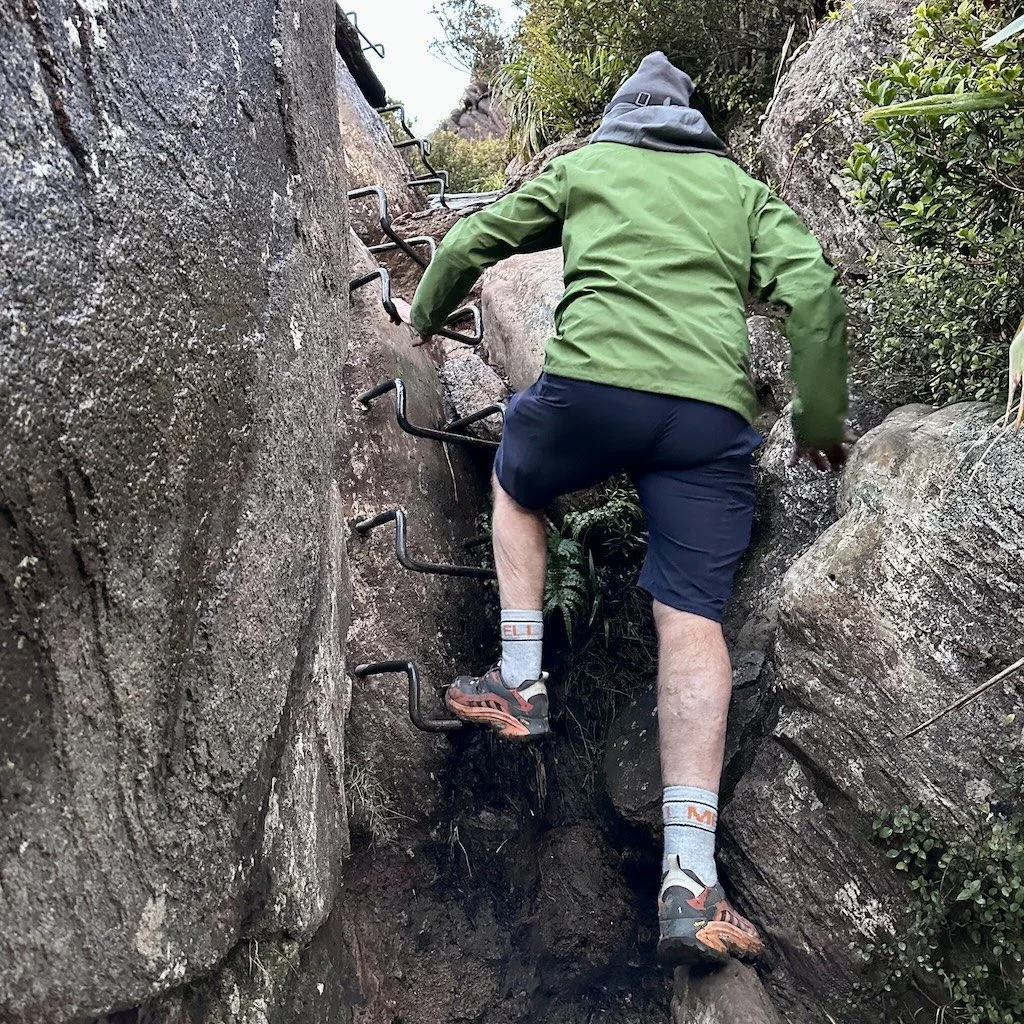
Trails have a wonderful way of building functional strength. From steep climbs and rocky scrambles to carrying a pack on uneven ground, hiking challenges the body in ways that prepare us for both adventure and everyday life.
Fitness Goals Need Something to Aim For
One of the best motivators for improving your hiking fitness is having an adventure on the horizon. If the Milford Track is on your bucket list, here's how to prepare for one of New Zealand's most iconic walks.
👉 Read: Milford Track Training Guide
Strength Training Without the Gym
Gyms have never really been my thing. Given the choice between exercising indoors and spending time outside, I'll choose the outdoors every time.
Living off grid has taught me that strength training often happens when you're busy living your life. Carrying firewood, digging in the garden, hauling building materials, maintaining tracks and tackling the endless list of jobs that come with a rural property all require strength, balance and endurance.
Over the years, those activities, combined with thousands of kilometres of hiking across New Zealand and beyond, have taught me that there are many ways to become stronger and fitter without ever setting foot in a gym.
That's not to say strength training isn't useful. It absolutely is. Strong legs help you climb hills. Strong glutes help stabilise your hips. A strong core improves balance and posture, particularly on uneven terrain.
The good news is that hiking fitness doesn't have to involve expensive memberships, fancy equipment or hours spent indoors. For most people, regular walking, some hill training and an active lifestyle will go a long way towards preparing the body for the trail.
If you'd like to add some dedicated strength work to your routine, simple exercises such as squats, lunges, step ups, calf raises, planks and glute bridges can all help build resilience for hiking.
Personally, I'd rather spend an hour building a garden bed, shifting a pile of firewood or exploring a bush track than staring at a gym wall. The beauty of an active lifestyle is that fitness often becomes a natural by product of doing things you genuinely enjoy.
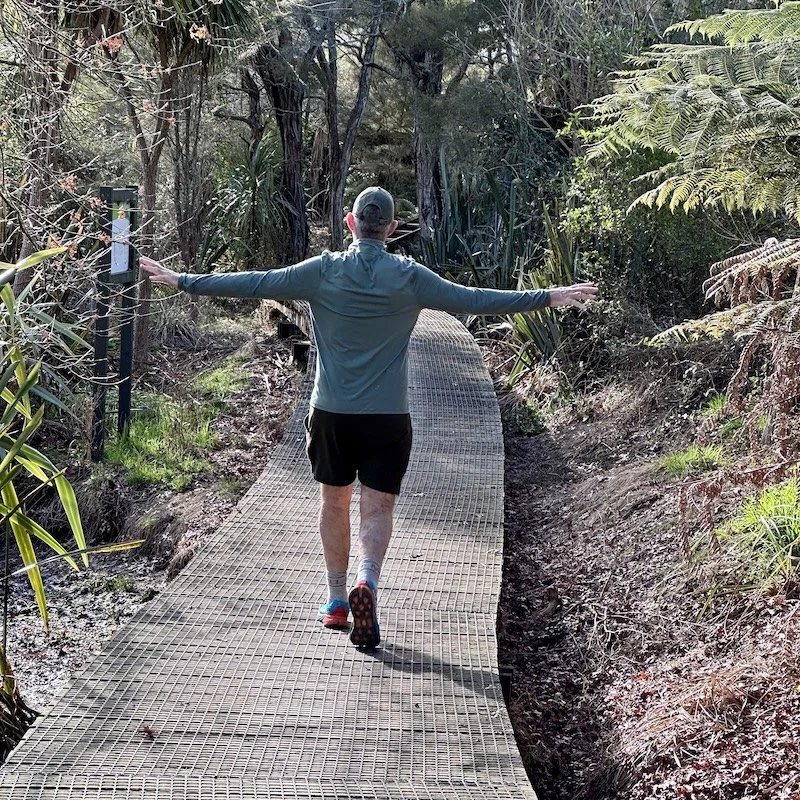
Good balance isn't just helpful on the trail. It's something worth maintaining as we age so we can continue exploring the outdoors with confidence for years to come.
Don't Forget Balance
Balance becomes increasingly important as trails become more technical, but it's also something many of us naturally begin to lose as we age if we don't actively work to maintain it.
Tree roots, loose gravel, muddy tracks and stream crossings all require your body to react quickly and confidently. Good balance can help prevent slips and stumbles on the trail, while also supporting mobility and independence in everyday life.
The good news is that balance is something we can improve at any age.
Simple activities such as standing on one leg while brushing your teeth, walking along a kerb, practising yoga or trying tai chi can all help strengthen the muscles and stabilisers that keep us upright.
As a Gen X woman, I'm increasingly aware that hiking isn't just about enjoying the next walk. It's about looking after our bodies so we can continue exploring the outdoors for many years to come.
A few minutes spent working on balance each week may not sound exciting, but your future self will thank you when you're confidently navigating uneven trails, stepping over roots and continuing to enjoy the freedom that walking brings.
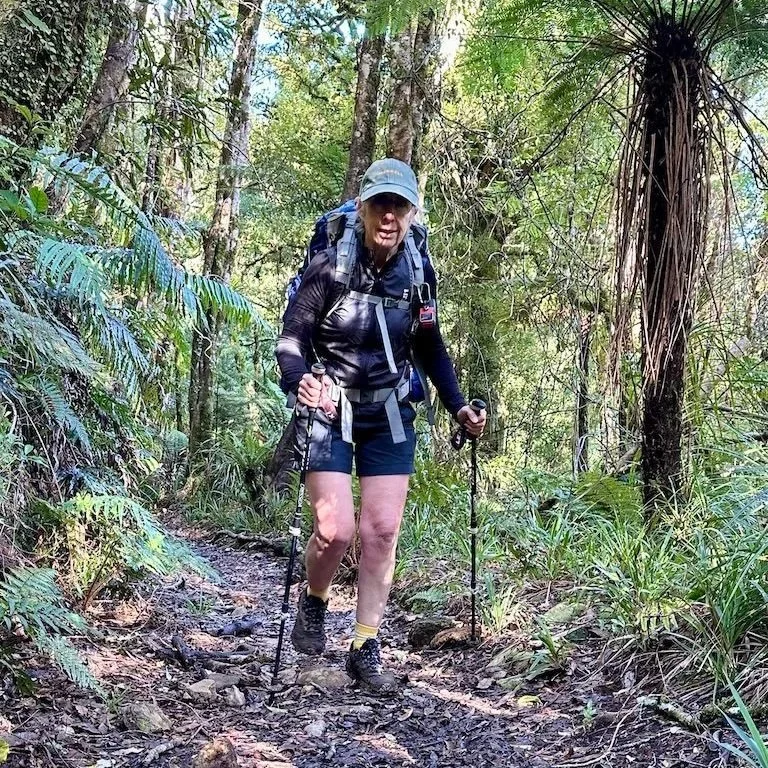
Like a good pair of trail shoes, your pack should feel like a familiar companion rather than something you're meeting for the first time on the trail.
Waiotahi Track, Coromandel Forest Park
Train With the Pack You'll Carry
If you're preparing for longer walks, it's worth occasionally carrying the backpack you plan to use on the trail.
You don't need to load it up with bricks or turn every walk into a military exercise. Simply carrying water, a jacket, lunch and your usual trail essentials helps your body become accustomed to walking with extra weight.
I've found that many people focus on the distance they'll be walking but forget that carrying a pack changes the experience. Your posture, balance and energy expenditure can all be affected, particularly on hills and uneven terrain.
If you haven't yet invested in a hiking pack, a weighted vest can be another useful training tool. Walking with a modest amount of additional weight can help build strength and endurance while preparing your body for future hikes. As with any training, it's best to start light and gradually increase the load over time.
The goal isn't to carry as much weight as possible. The goal is to help your body adapt comfortably and safely so that when the day of your hike arrives, your pack feels like a familiar companion rather than an unwelcome surprise.
A little preparation now can make those longer days on the trail far more enjoyable.
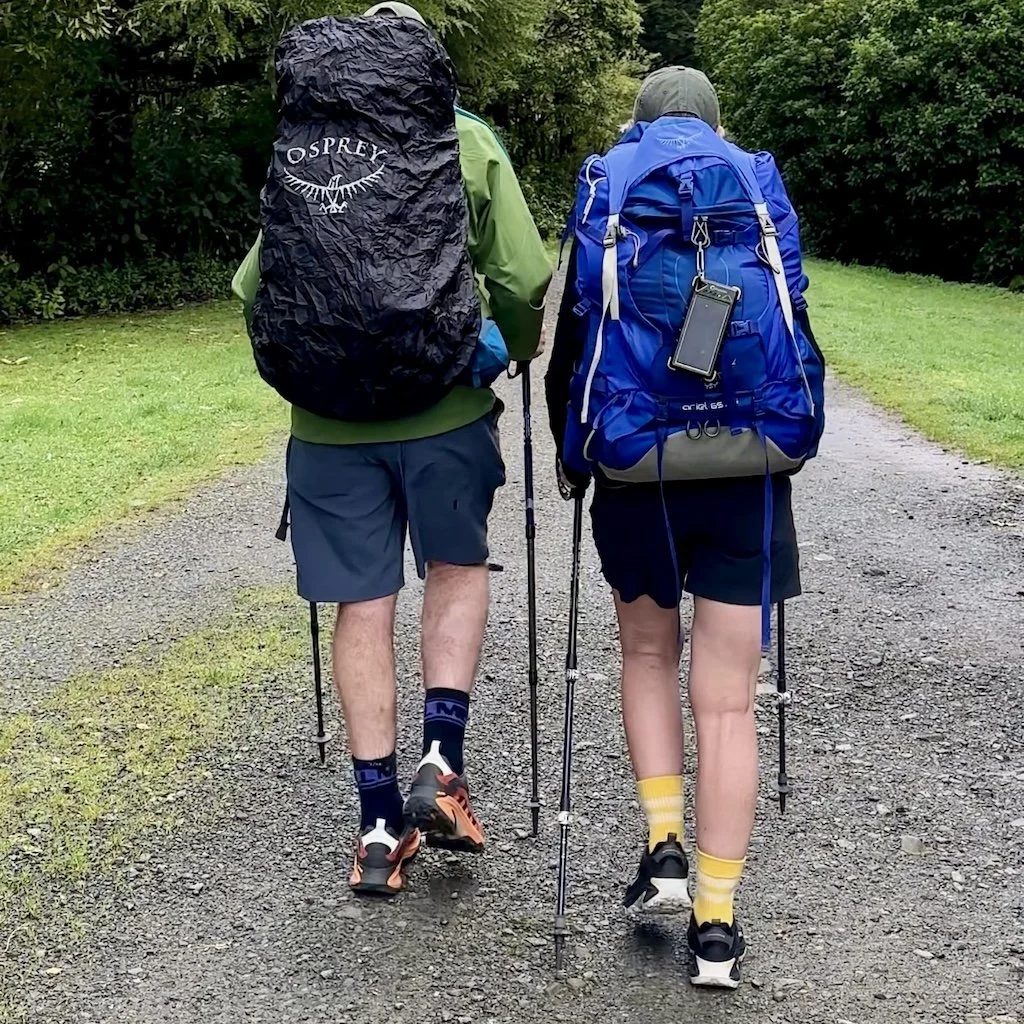
One of the simplest ways to prepare for a longer hike is to spend time walking with the pack you'll carry. The more familiar it feels, the more comfortable you'll be when adventure calls.
Heading into the Atiwhakatu Track, Mount Holdsworth, Tararua Forest Park
Recovery Is Part of Training
When I was younger, I tended to think that fitness came from doing more. More walking, more kilometres, more adventures.
These days, I've come to appreciate that recovery is just as important as the walk itself.
After a long day on the trail, it can be tempting to jump straight back into the busyness of everyday life. But our bodies need time to absorb the effort we've asked of them. Strength, endurance and resilience aren't built during the walk. They're built in the recovery that follows.
That doesn't mean spending days stretched out on the couch. Recovery can be as simple as getting a good night's sleep, staying hydrated, enjoying nourishing food and taking an easy walk the following day to keep everything moving.
As I've moved through my forties and beyond, I've noticed that my body is usually quite happy to rise to a challenge, provided I give it the care and recovery it needs afterwards. Ignore those signals and it soon lets me know as it did on Day 80 of hiking 3000km on Te Araroa.
One of the greatest gifts hiking offers is the reminder that nature works in cycles. There are times for effort and times for rest. The same is true for us.
If you're training for a hike or simply trying to become more active, remember that rest isn't a sign of weakness or lack of commitment. It's part of the process. Sometimes the most productive thing you can do for your hiking fitness is put your feet up with a cup of tea and allow your body the time it needs to recover.
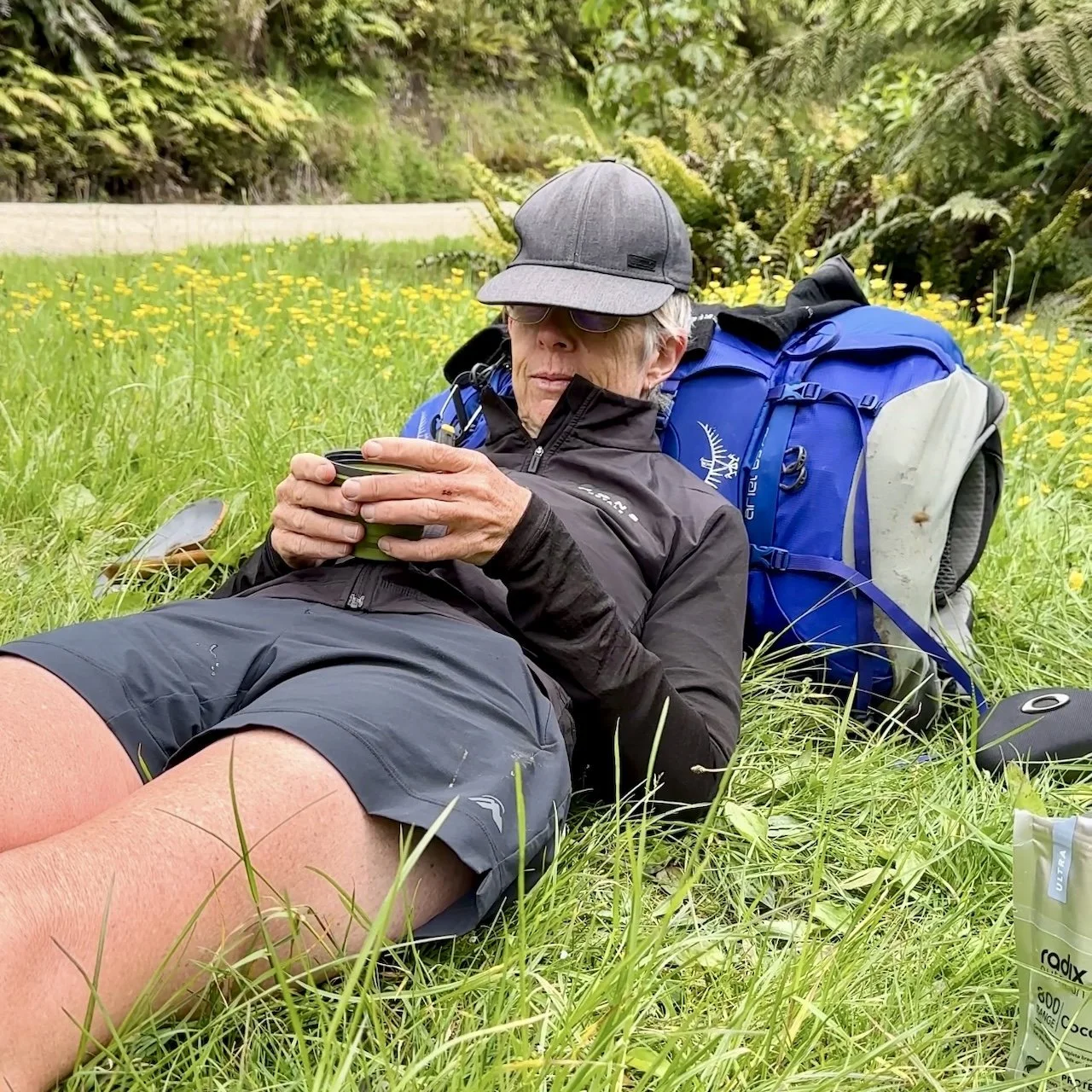
A quiet moment on Te Araroa. The longer the journey, the more you appreciate that rest is not the opposite of progress. It's part of it.
Curious About Long Distance Hiking?
Walking Te Araroa taught me countless lessons about resilience, recovery, pacing and trusting the process. If you'd like a glimpse into life on New Zealand's long trail, start here.
👉 Read: Lessons from Hiking Te Araroa
Hiking Fitness Is About More Than Physical Strength
One thing I've learned from years of walking New Zealand trails is that mindset matters just as much as fitness.
Some of the strongest hikers I've met aren't necessarily the fittest, fastest or youngest. They're simply people who have learned to keep going at their own pace. They know when to slow down, when to take a break and when to stop and appreciate the view.
Hiking isn't a race. Nobody hands out medals for reaching the summit first. In fact, some of my favourite memories on the trail have come from the conversations, wildlife encounters and unexpected moments that happened because I wasn't rushing.
Fitness certainly helps, but confidence, patience and consistency are often just as important. Every time you head out for a walk, whether it's around your local neighbourhood or into the hills, you're building both physical strength and self belief.
And the wonderful thing about hiking is that you don't have to be an expert to begin. You simply have to start where you are and trust that each walk will make the next one a little easier.

Adventure doesn't always begin in the wilderness. Often it starts with a simple walk close to home and a willingness to take that first step.
Start Before You Feel Ready
Over the years, I've met plenty of people who told me they wanted to join a group walk "one day". Usually that day was going to be after they'd lost a few kilos, improved their fitness, bought some better gear or spent more time training.
The interesting thing is that the people who make the biggest progress are rarely the ones who wait until they feel completely ready.
They're the ones who sign up despite feeling a little nervous. They're the ones who wonder whether they'll be able to keep up, then discover they're far more capable than they imagined. They're the ones who take that first step and allow the experience itself to build their confidence.
I've seen people arrive at a walk feeling uncertain about their fitness and leave a few hours later already asking when the next one is.
The truth is that walking is one of those activities where you don't need to reach a certain level before you begin. The walking itself helps you become stronger, fitter and more confident.
Every trail teaches you something. Every hill climbed makes the next one feel a little easier. Every walk adds another layer of experience.
So if you've been telling yourself you'll start hiking when you're fitter, perhaps it's worth considering the possibility that hiking is exactly what will help you get there.
You don't need to have everything figured out. You don't need to be the fastest walker in the group. You simply need to be willing to take that first step.
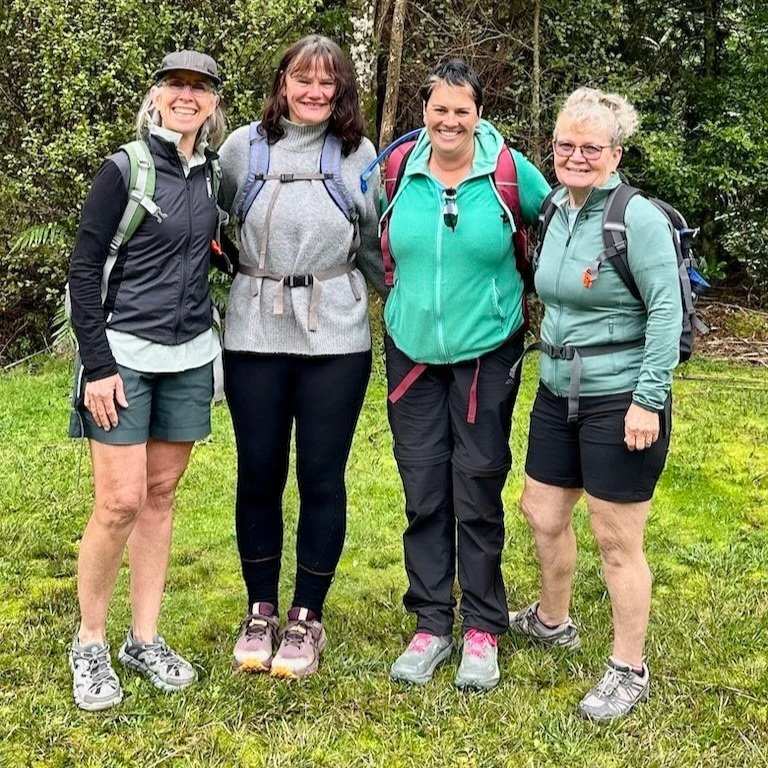
Sometimes the hardest part is signing up. Once you're on the trail, you'll discover you're surrounded by people who were once wondering the very same thing: "Can I do this?" The answer is usually yes.
Wondering If You're Fit Enough for a Big Adventure?
One of the most common questions I hear is, "Am I fit enough?" Whether you're considering your first day hike or something as ambitious as Everest Base Camp, the answer may surprise you.
“You don’t need to get fit before you start hiking. In many cases, hiking is what helps you get fit.”