Milford Track Training: How Fit Do You Really Need to Be?
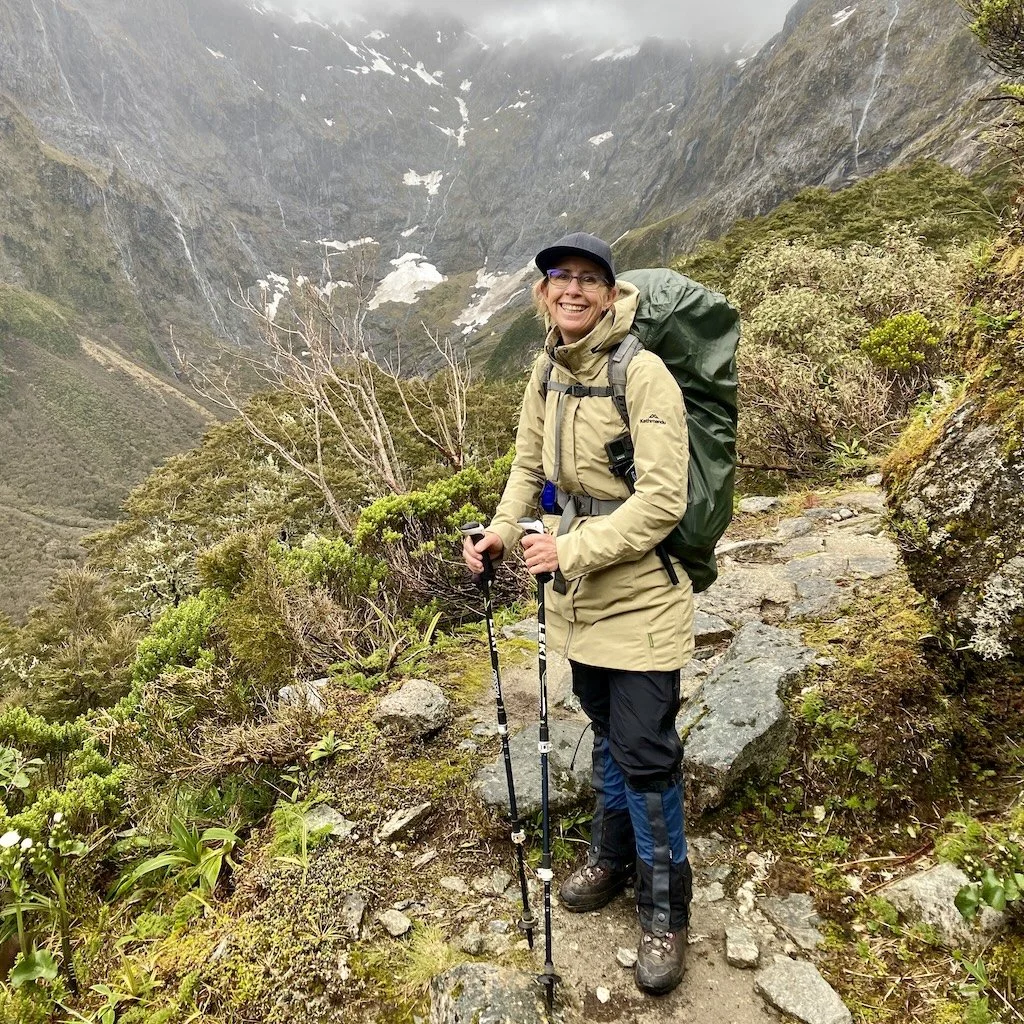
One of the most common questions I hear about the Milford Track isn't about the weather, the huts, or even the famous Mackinnon Pass.
It's this: "Am I fit enough?"
The question usually comes from ordinary people rather than seasoned trampers. Retirees ticking off a bucket-list adventure. Couples planning a special trip. First-time multi-day hikers who have secured a coveted booking and are suddenly wondering what they've signed up for.
The answer is almost always the same.
You're probably fitter than you think.
The Milford Track is not an extreme wilderness expedition. You don't need to be an athlete, marathon runner, or mountain climber. However, you do need enough fitness to comfortably walk for several hours a day, carry a pack, and repeat the effort over four consecutive days.
The better prepared you are, the more you'll enjoy one of New Zealand's most spectacular Great Walks.

A Brown Kiwi spotted in the Arthur Valley, Milford Track
Taking time to appreciate the scenery is part of the Milford Track experience. This isn't a race to the finish.
New to the Great Walks, or want the bigger picture before diving into training tips? My Milford Track: Great Walks Snapshot covers everything you need to know about the track itself.
The Milford Track Isn't a Race
With its international reputation and long waiting lists, it's easy to assume the Milford Track is reserved for the exceptionally fit. Fortunately, that's not the case.
The reality is quite different.
Most days on the Milford Track involve steady walking on a well-formed track through beautiful Fiordland scenery. There is plenty of time to stop for photos, admire waterfalls, chat with fellow walkers, and soak in the experience.
The people who enjoy the track most aren't necessarily the fittest. They're the ones who pace themselves, take breaks when needed, and focus on the journey rather than the finish line.

One of the historic markers along the Milford Track — this one honouring Quintin Mackinnon, the explorer who discovered the pass in 1888.
The Real Challenge Isn't the Distance
When people look at the Milford Track's 53.5 kilometre distance, they often focus on the total distance.
One of the charming features of the Milford Track is the series of historic milestones found along the route. Dating back to the early days of the track, they serve as a tangible connection to the walk's rich history. I found they also provide a subtle psychological boost, quietly marking your progress through one of New Zealand's most iconic landscapes.
In my experience, that's not what makes the walk challenging.
The real challenge is the combination of factors:
Walking for four consecutive days
Carrying everything you need on your back
Climbing and descending hills
Navigating changing weather conditions
Being on your feet for several hours each day
None of these are particularly difficult on their own. Together, they create a rewarding challenge that deserves a little preparation.
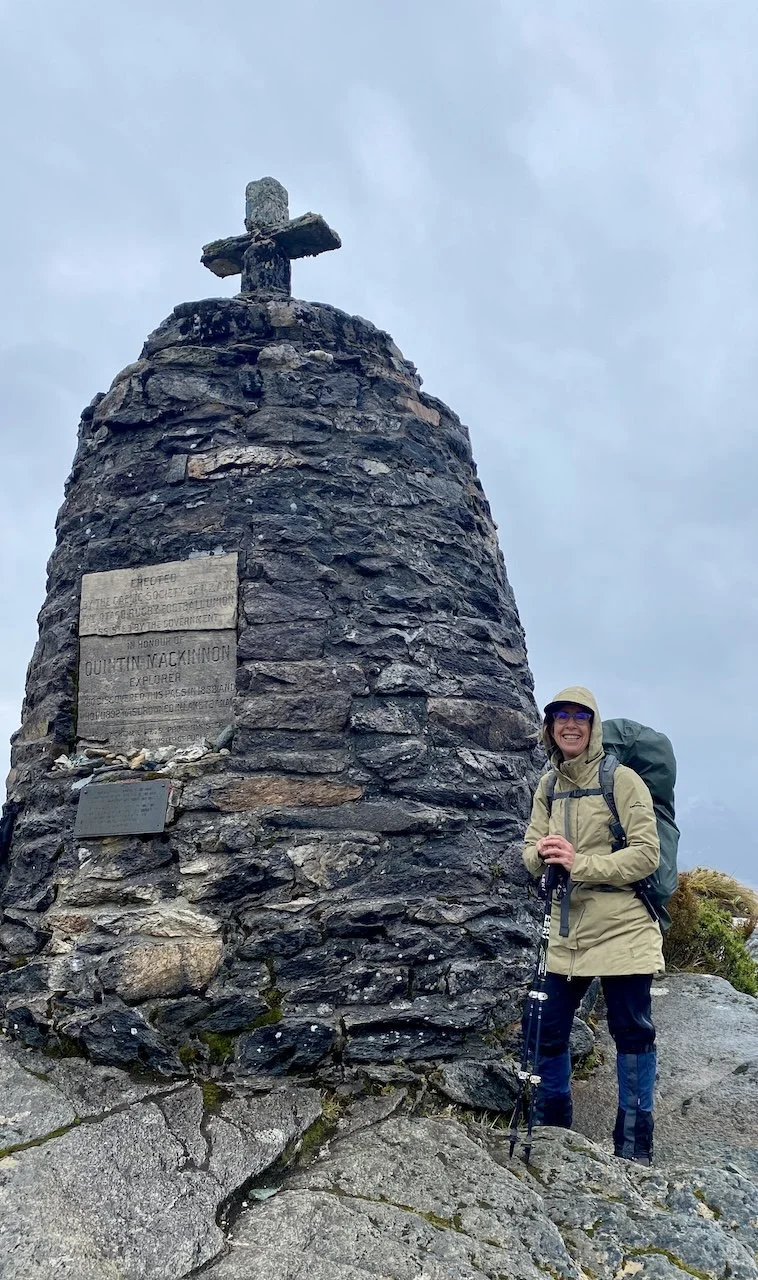
Made it to the top — the memorial at Mackinnon Pass marks not just the highest point of the track, but the moment all that preparation pays off.
Let's Talk About Mackinnon Pass
If there's one section that causes pre-trip anxiety, it's Mackinnon Pass.
At 1,154 metres above sea level, the pass is the highest point on the track and the highlight of the walk for many people.
The climb is steady rather than steep, and the track is well maintained. Most reasonably fit walkers can complete it without difficulty.
What catches people out isn't usually the ascent. It's the combination of climbing with a pack, potentially in poor weather, followed by a long descent on tired legs.
My advice?
Don't fear Mackinnon Pass. Respect it, prepare for it, and take your time.
The views from the top are worth every step.
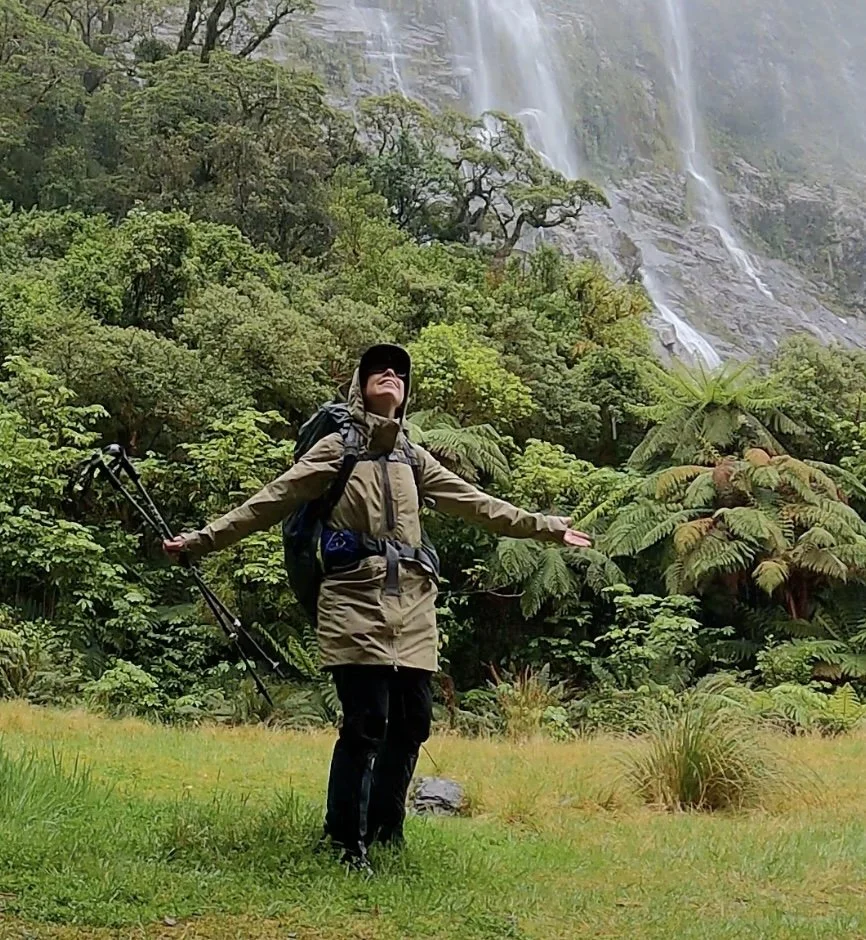
Day 4 on the Milford Track, full wet weather gear, and completely at ease with whatever the sky decides to do. This is what all that rainy-day training is for.
What I Would Do If I Had Three Months to Prepare
The best training for the Milford Track is surprisingly simple.
Walk.
Then walk some more.
If I had three months before a Milford Track departure, I'd focus on consistency rather than intensity.
A few walks each week are far more valuable than one epic training session every fortnight.
I'd gradually build up:
Time spent walking
Hill climbing
Distance
Pack weight
If you have access to local bush walks, regional parks, or hilly tracks, even better.
I'd also make a point of getting out in all kinds of weather. One of the realities of walking in Fiordland is that rain is always a possibility. Training on fine days is enjoyable, but there's real value in pulling on your rain jacket and heading out when the weather is less inviting.
Learn how your gear performs in wet conditions. Get used to walking in the rain, managing layers, and feeling comfortable when your clothes are a little damp and the track is muddy underfoot. The first time you walk for several hours in the rain shouldn't be on the Milford Track.
Your goal isn't to become super fit.
Your goal is to make walking feel normal, whatever the weather decides to do.
Not sure what conditions to train for? My Milford Track Weather Guide breaks down what Fiordland's weather is really like, season by season.
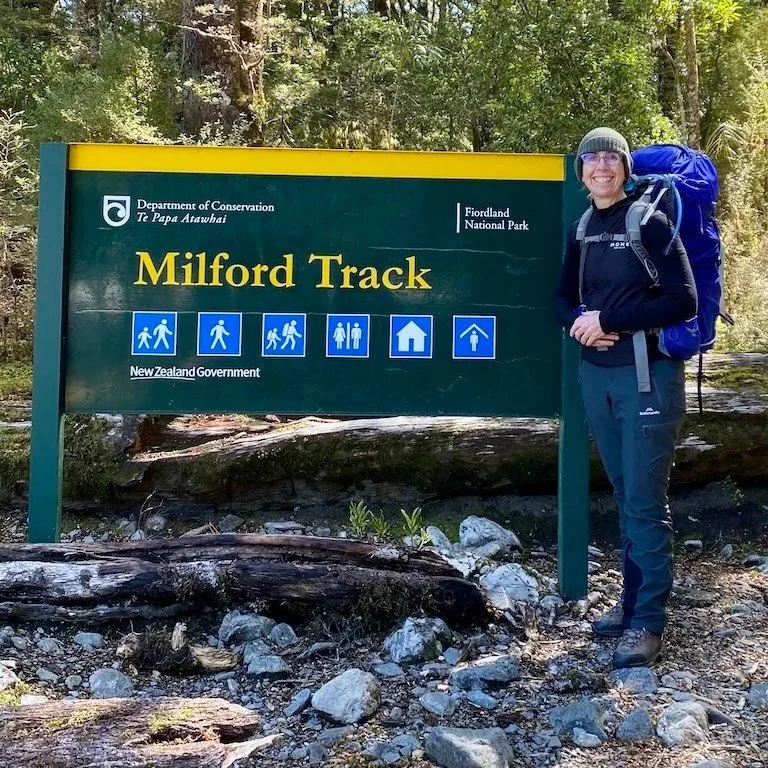
Fresh legs, full pack, ready for four days in Fiordland. If you've trained with weight on your back, this moment feels familiar rather than daunting.
Carry a Pack Before You Go
This is probably the single biggest piece of advice I can offer.
Many people train in lightweight activewear with nothing on their backs.
Then they arrive at Milford with a pack weighing 8 to 12 kilograms and discover walking feels very different.
Even a modest pack changes:
Your balance
Your posture
Your energy expenditure
How your shoulders and hips feel after several hours
If you don't own your hiking pack yet, or simply want a convenient way to add resistance to your training, a weighted vest can be an excellent alternative. While it won't perfectly replicate the feel of a backpack, it can help condition your legs, core, and cardiovascular system for the extra load you'll be carrying on the track.
A few training walks with your intended pack weight, or a weighted vest, can make a huge difference to your confidence and comfort.
Not sure what to pack — or what your pack should actually weigh? My Milford Track Essential Gear Guide covers exactly what you need (andwhat you don't) to keep your load manageable.

The packing list is where the discipline starts. Going through gear item by item, asking the same question each time: do I actually need this, or am I just packing for "just in case"?
The Biggest Mistake Walkers Make
It's not being unfit, it's overpacking.
I've seen people carry far more gear than they need because they're worried about being prepared for every possible situation. Extra clothing, duplicate equipment, "just in case" items, and sometimes even fresh food.
Over the years, I've seen walkers carrying everything from bottles of wine to fresh bacon and eggs into the backcountry. While I admire the commitment to a cooked breakfast, every extra kilogram feels a little heavier with each passing kilometre.
The result is often a heavier pack and a harder walk.
The Milford Track huts provide shelter, mattresses, water, and cooking facilities. You don't need to carry your entire life on your back.
Lightweight, calorie-dense meals can make a huge difference to pack weight and overall comfort. On my own adventures, I often rely on freeze-dried meals that are specifically designed for the outdoors, providing plenty of energy without adding unnecessary bulk or weight.
A sensible packing list often contributes more to an enjoyable experience than an extra month of training.

Fuel Your Adventure with Radix Nutrition
Whether you're tackling a multi day hike, thru hiking a long trail, or simply heading away for a weekend in the hills, Radix Nutrition provides the lightweight, high performance meals you need to keep going strong.
Packed with quality ingredients and designed for adventure, Radix meals deliver the energy and nutrition your body needs without weighing down your pack. Better still, meals can be shipped directly to your resupply points, making trail logistics easier than ever.
Use code FREEWHEELINGKIWI15 for 15% off your order and fuel your next adventure with confidence. 🏔️🥾🍲
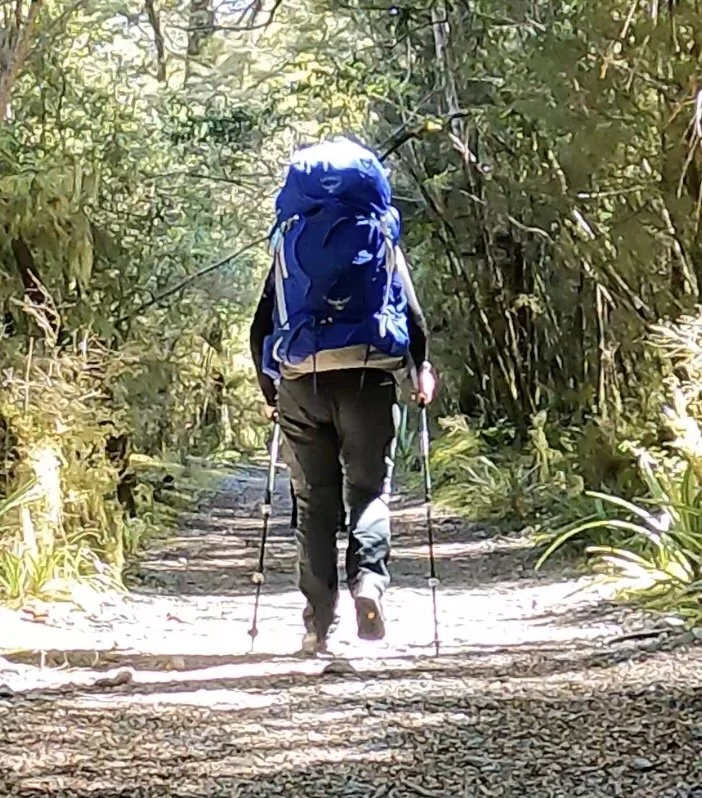
It's not about speed.
Walking the Milford Track isn't a sprint. A steady, sustainable pace will get you through all four days more comfortably than trying to push hard early on."
Age Matters Less Than You Think
Every season, walkers in their sixties and seventies complete the Milford Track successfully.
Many of them are not gym-goers or endurance athletes.
What they often have is consistency.
They walk regularly, understand their pace, and arrive prepared.
As someone who is no longer in her twenties, I find this reassuring too. Experience has taught me that fitness isn't always about speed or strength. Often it's about building good habits, knowing your limits, and putting one foot in front of the other day after day.
I've also seen younger walkers struggle because they underestimated the demands of carrying a pack over multiple days.
Fitness is important, but preparation, pacing, and attitude matter just as much.
So, Are You Fit Enough?
If you can comfortably complete several hours of walking, manage hills without excessive difficulty, and are willing to do a little preparation beforehand, there's a very good chance you'll be fine.
The Milford Track isn't meant to be easy, but neither is it some sort of endurance event reserved for the ultra-fit. There will be times when you're puffing your way uphill, adjusting a pack that's suddenly feeling heavier than it did that morning, or wondering how much further it is to the next hut. That's perfectly normal.
In many ways, those moments are part of what makes the experience so memorable. The sense of achievement that comes from crossing Mackinnon Pass or reaching the end of the track is all the sweeter because you've had to work for it. With sensible preparation and realistic expectations, most people will find themselves far more capable than they imagined.
And trust me, once you're standing in the heart of Fiordland surrounded by towering mountains, ancient rainforest, and cascading waterfalls, you'll be far more focused on the scenery than on how many kilometres you've walked.
Over to You
Are you currently training for the Milford Track, or have you already completed it?
I'd love to hear about your experience. Share your training tips, concerns, or favourite Milford Track memories in the comments below and help future walkers prepare for their own adventure.



One of the most common questions prospective Milford Track walkers ask is, "Am I fit enough?"
The good news is that you don't need to be an athlete to complete New Zealand's most famous Great Walk.
In this practical guide, I share my experience of the track, what level of fitness is really required, how to prepare for Mackinnon Pass, common training mistakes, and why carrying a lighter pack can often make a bigger difference than spending extra hours in the gym.