Be The Change - Shambhala
From a whisper to a howl, pine trees have their own mesmerising song though many times it’s all bluff and bluster with, despite the drama above, hardly a leaf stirring amongst the canopy below.
But not always, I mused, as I listened to the rhythmic thud of pine cones hitting the ground nearby and the unnerving rattle, creak and clank as branches and trunks bullied each other for space like so many boys queuing outside the tuck shop.
In the pre dawn dark, I laid on my stretcher and wondered idly how much protection my canvas tent offered should the giants above me take flight.
New Beginnings
While I love adventures and to travel and challenge myself by going beyond my comfort zone, I also love to have a base, somewhere that I can return to and restore my equilibrium. Deep down, I’m a homebody and love to create a serene space for myself and others to enjoy.
Some years back as I set about creating a life of purpose, I resolved to find land suitable to create a legacy, a place that I could literally put down roots. Moving and reestablishing myself has never been a problem, I’ve lived and worked in many locations both in New Zealand and overseas and my list of past addresses reads as long as a ticker tape. As an adventure content creator I continue to enjoy a nomadic lifestyle.
Becoming a Custodian
Now as custodian of Shambhala I am committed to welcoming others so that they too may benefit from time spent here in nature. One of my goals is to inspire people to be passionate about the environment around them, to understand it, their relationship with it and take action to protect and restore it.
In the six months since settling on the land, our extended families and close friends have visited, encouraged, camped and helped with the early improvements. In doing so, they know they’re part of creating a legacy from which they and others will benefit. Already, we’ve had four generations onsite which is very special to us all.

Jordy's Toys and Redbands, Shambhala
By western standards, conditions at camp remain fairly primitive and I am mindful that most people aren’t as feral as me and prefer a few home comforts. In time as basic improvements are added, the invitation to join with us will be extended further to include members of the Freewheeling Kiwi Community.
The Long and Winding Road
In Tibetan Buddhist traditions Shambhala (pronounced sham-bah-lah) is a spiritual kingdom that is believed to exist somewhere between the Himalayan Mountains and the Gobi Desert. Hidden deep in a valley, the land is inhabited by a mystical brotherhood whose members labour for the good of humanity.
“… I’ve seen that road before
It always leads me here… 🎶...”
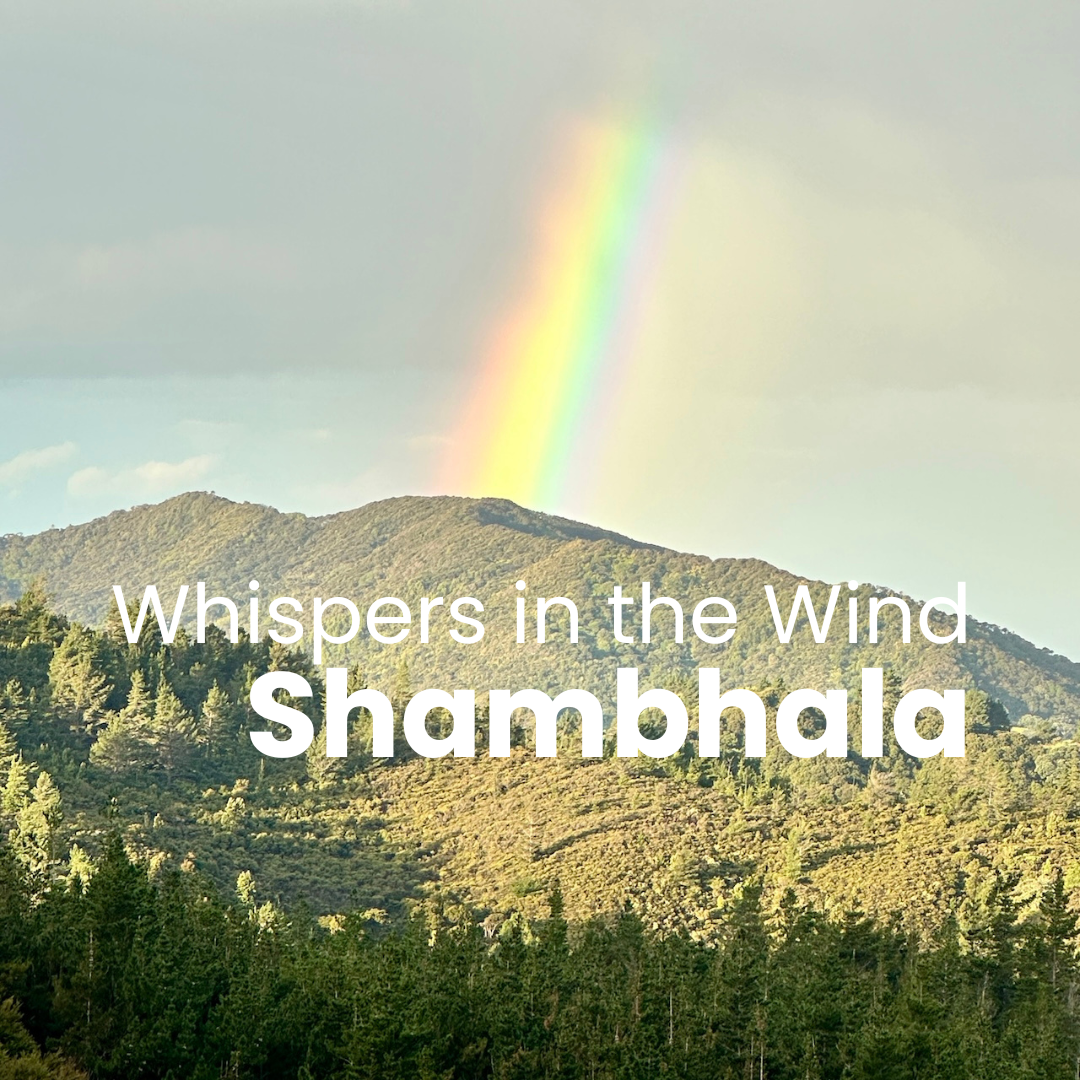
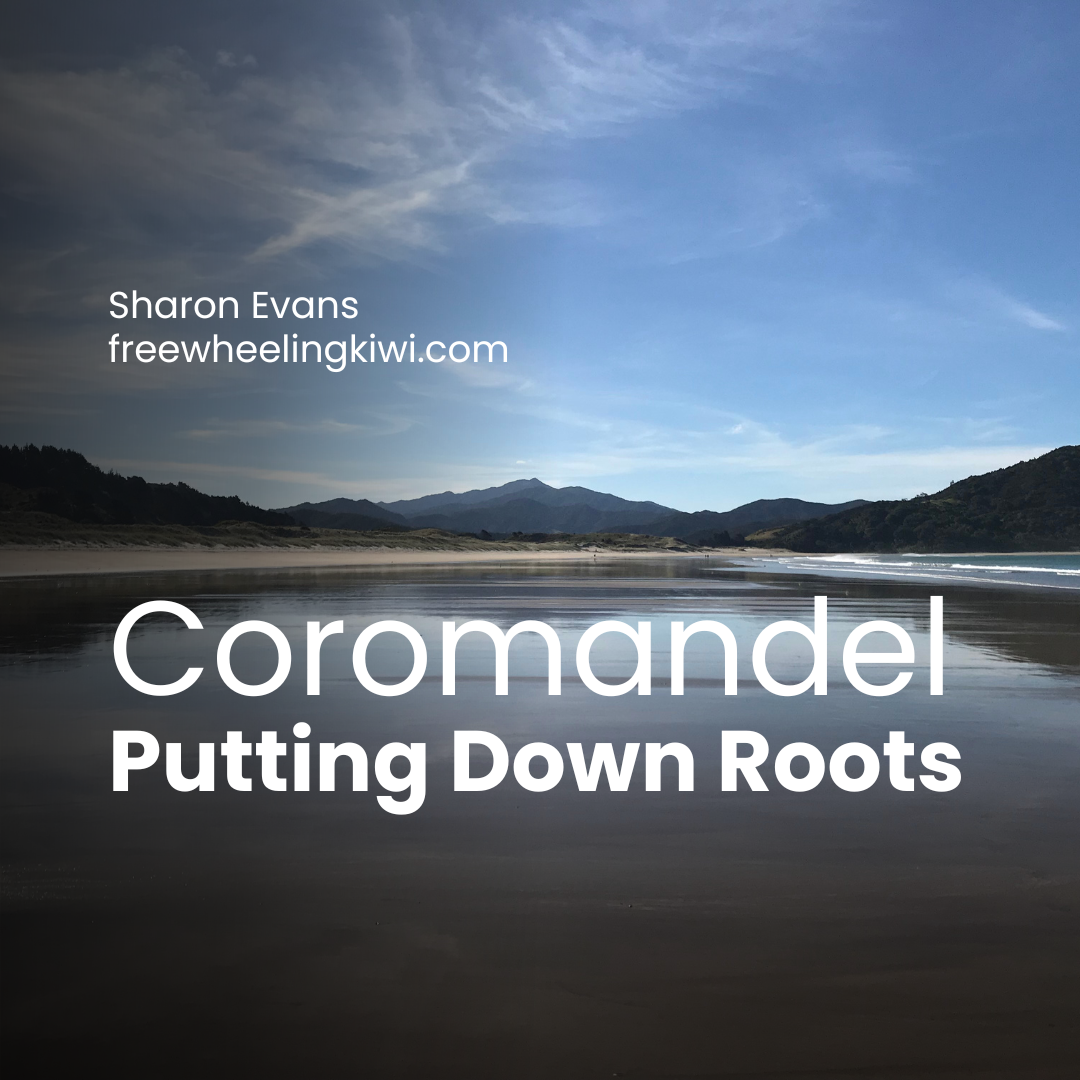
Our Shambhala is on a ridge rather than a valley and exists on the north eastern Coromandel Peninsula on Te Ika-a-Māui, the North Island of Aotearoa, New Zealand.
It’s eleven dusty kilometres to the nearest sealed road however the slow pace of travel gives you time to spot the autumn blackberries, invasive weed as they are, they’re also great in a pie.
The closet general store is about twenty minutes drive and the nearest small town is, depending on the road conditions, the best part of an hour. The regional centres of Auckland, Hamilton and Tauranga are between three to three and a half hours away.

Checking work on the driveway, Shambhala
A Conservation Project
Shambhala is to be a conservation block where indigenous biodiversity is actively encouraged alongside sustainable land management and human habitation.
When accepting the role of custodian, there was limited access and no fences, water systems or utilities such as electricity, telephone, internet or gas. There were no buildings or permanent structures on the property though we have now created a temporary open sided shelter. There was not a single chattel listed and I’d only a vague notion as to where the boundaries lay.
From the campsite and aside from the pine forests, the only sign of human intervention is an occasional boat in the bay or ship on the distant horizon. At night we watch the historic island lighthouse blinking at a leisurely fifteen second interval while satellites frenetically chase each other between us and the Milky Way.

Te Repenga Island, Coromandel
Covering the Sea as a Cloak
The island is a predator free nature reserve and home to many endangered species including tuatara. Grandparents of the current tuatara must have looked on with surprise when in 1889 the lighthouse was first lit and I wonder what they’d make of the satellites that now populate the night sky.
Back then if they’d looked to the west, the tuatara would have seen a volcanic mountain range cloaked in a prehistoric podocarp forest, vibrant sandy beaches fringed with gnarly trees bearing crimson flowers and punctuating a dramatically rocky coastline. The songs of both sea and onshore birds would have reverberated far and wide.
Beyond the Beach
Shambhala’s elevation begins at ten metres above sea level and then rapidly climbs a spur to about one hundred and forty metres with the usual dips and gullies on either side. The spur runs north south with the sidlings facing east to the sea and morning sun and west to the Peninsula’s main ridge and sunset.
Access is through a rocky stream crossing which given the size of the water catchment may be a temporary issue during extreme weather events. In summer it is the favourite haunt for a multi generation family of tuna eels the largest of which has been nicknamed Eddie.

Eddie the eel and his young friend, Shambhala
There’s tiny fresh water springs at the top of each gully however it appears the pine trees are sucking up most moisture leaving little more than a hint of what is below ground.
Having historically been farmed for sheep and cattle, the majority of the land is now thankfully in regenerating native forest with mānuka tea tree well established.
The narrower gullies feature punga tree fern, tī kōuka cabbage trees and nīkau palm. Pushing above the mānuka is the very occasional pōhutukawa, rimu, kauri and puriri.
The kaka ridge is planted in plantation pine which I estimate to be about twenty five years old. It hasn’t been well managed and the size and quality of the trees varies greatly.
The Campground Rule
In the short term my immediate focus is on our human needs such as creating the all weather vehicle access to the campsite via the pre-existing forestry road. This track had become overgrown to the point that it was almost impassable on foot, let alone in a vehicle.
Once the access is complete, medium term goals are to further improve the campsite so that we’ve luxuries such as a camp oven, composting toilet, hot shower and a rain harvesting system for fresh water.
At present, we’ve barbecues, a long drop toilet and shower tent plus we bring in drinking water by the bottle.
Vegetable gardens, orchards and a food forest will be created as time and resources allow with a goal towards being self sufficient in produce. We don’t plan on creating pasture and farming animals as that’s already proven to be unsustainable.
The long term goal is to remove the pine plantation and commence the native planting process in place of the pines. Aside from the plantation, there’s wilding pines amongst the existing native forest which require immediate removal before they cause further harm by aggressively multiplying and choking out the native plants.
Walking tracks will be created for the enjoyment of the native forest and to assist in the management of the pest eradication programme.

Peter E, Sharyn G and Andrew exploring on Shambhala
Undesirable Cohabitants
Animal pests that we’re aware of include possums, goats, mice, rats and stoats. Having installed the first possum trap, within one month, it’s already dispatched fifteen possums that we know of. We’re not sure of the exact numbers as when we’re not watching, the wild pigs remove the carcasses for us.
There’s no doubt there’s feral cats, hedgehogs and rabbits on the fringes and the occasional cattle that wanders in from a farm further down the valley.
The property will need long term management of introduced and invasive weeds which include gorse, woolly nightshade and blackberry amongst others.

Possum and trap, Shambhala
In time, Shambhala will have environmentally sustainable overnight accommodation but that’s still a long way off in the future. In the meantime, we camp and inline with the often quoted campground rule, I aim to leave things better than when I found them.
Changing Seasons
It’s now Autumn though here where we are surrounded by native forest and evergreen conifers, there’s little to herald the change in season aside from a slight chill to the air. For the first time, we’ve access to unlimited firewood and there’s plenty that we’ve already felled, dried, ringed, split and stacked ready for winter.
As I enter the Autumn of my life, I look forward to the changes that lay ahead of me, the time for reflection and the maturity brought about by life’s experiences.
If Not Now, When?
My guardianship of Shambhala is taking place against a chaotic backdrop of climate crisis, biodiversity loss and war, social, economic, religious and political turmoil fuelled by mind boggling greed.
Many people feel overwhelmed by world events however I choose to focus on those things within my own control rather than the unconscionable actions of world leaders and rapacious corporations with their ever expanding reach feeding their insatiable desires.
There’s no deadlines at Shambhala, the established goals will take way longer than my lifetime but starting now is better than not starting at all.
I’m not waiting for others to change, I’m creating the change that I want to see.
“We but mirror the world. All the tendencies present in the outer world are to be found in the world of our body. If we could change ourselves, the tendencies in the world would also change. As a man changes his own nature, so does the attitude of the world change towards him. This is the divine mystery supreme. A wonderful thing it is and the source of our happiness. We need not wait to see what others do.”
Follow Your Dreams
I genuinely believe that the best things in life happen when we step outside our comfort zone and truly stretch ourselves.
For me, Shambhala is most definitely a stretch and I don’t have the answers on how best to achieve the goals outlined above nor the resources to do it alone. But I do have the courage and conviction to believe in myself and in this vision and to surround myself with good people who share a similar vision.
When walking Te Araroa I introduced Andrew to the expression "the trail will provide" and it did in countless ways which I will be forever grateful for. When we started, of course we didn’t know if we’d be able to complete the 3000km journey, there were too many variables beyond our control to take into account.
Nevertheless, we started and one hundred and thirty three days later, we finished.


What Gives You Hope?
From the things I’ve observed and the people I’ve met on my travels, I’ve learnt that there are other options, other possibilities, other ways of thinking and interacting with the earth and that knowledge continues to sustain and fill me with hope.
Have you stretched yourself lately, what have you done that scared you but you went ahead and did it anyway, even without guaranteed success? Share your story in the comments box below as your experience will provide inspiration for us all.
For those of you who’d like to be involved more actively with Shambhala and have practical experiences to share on how best to achieve the goals in alignment with the concepts outlined above, contact me here.
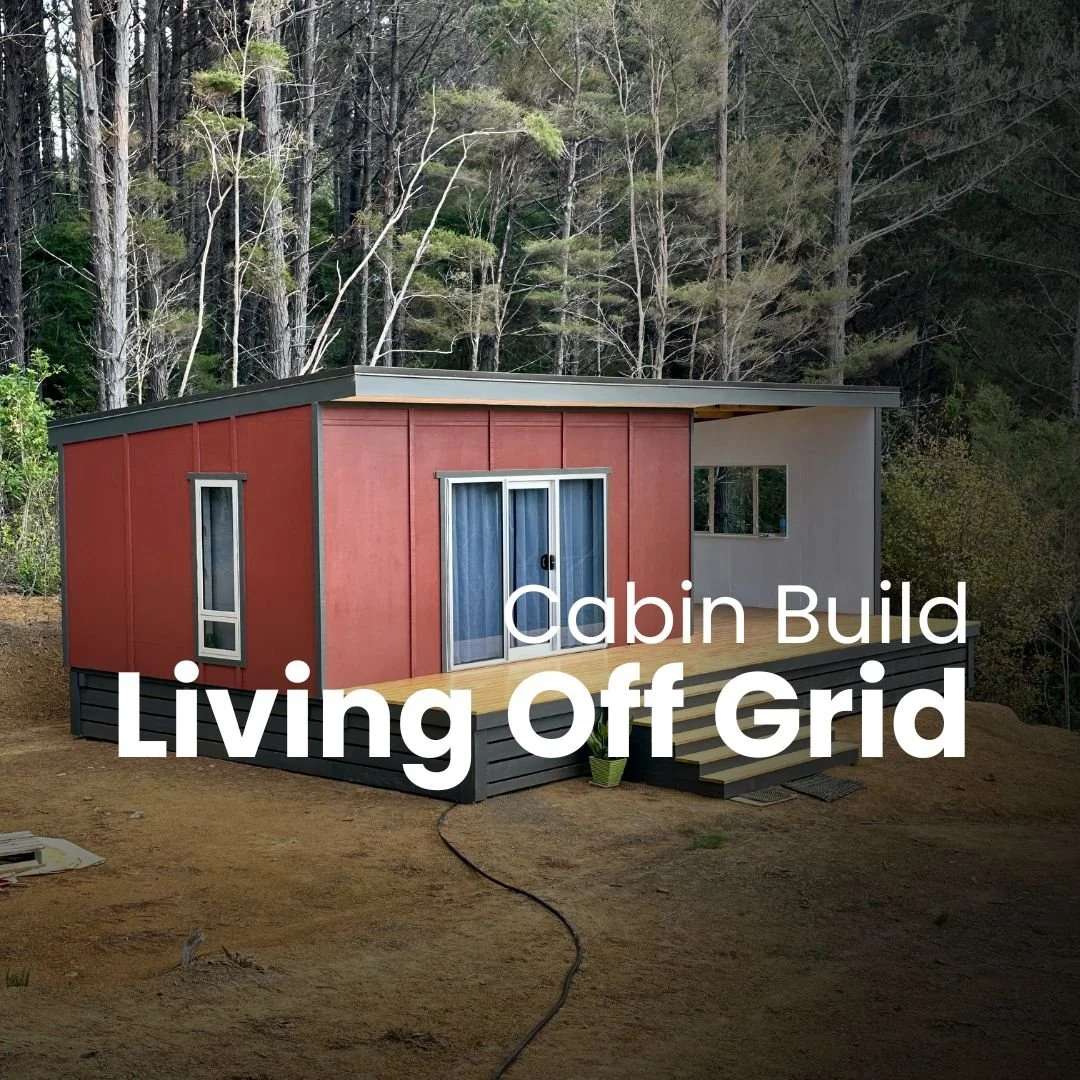
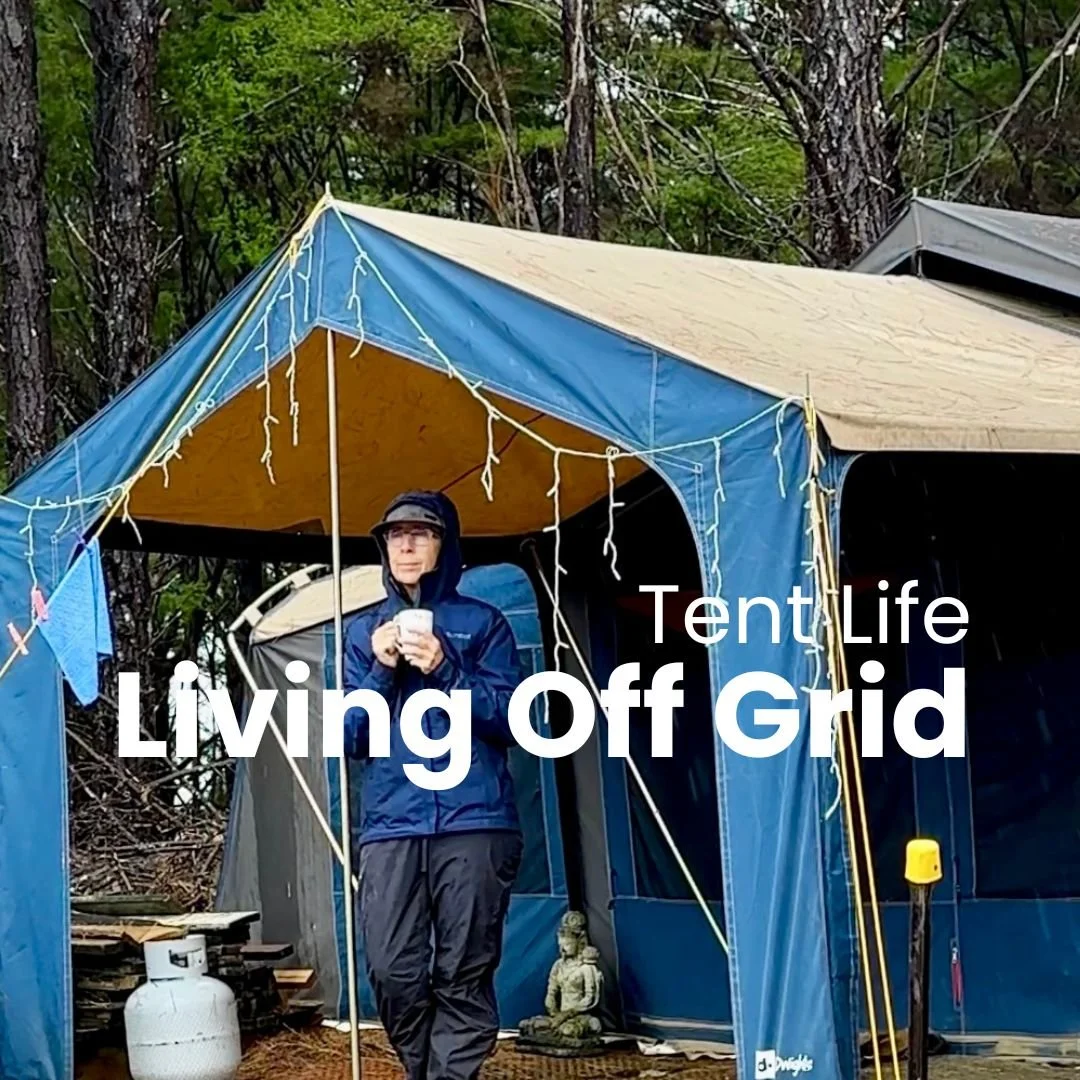
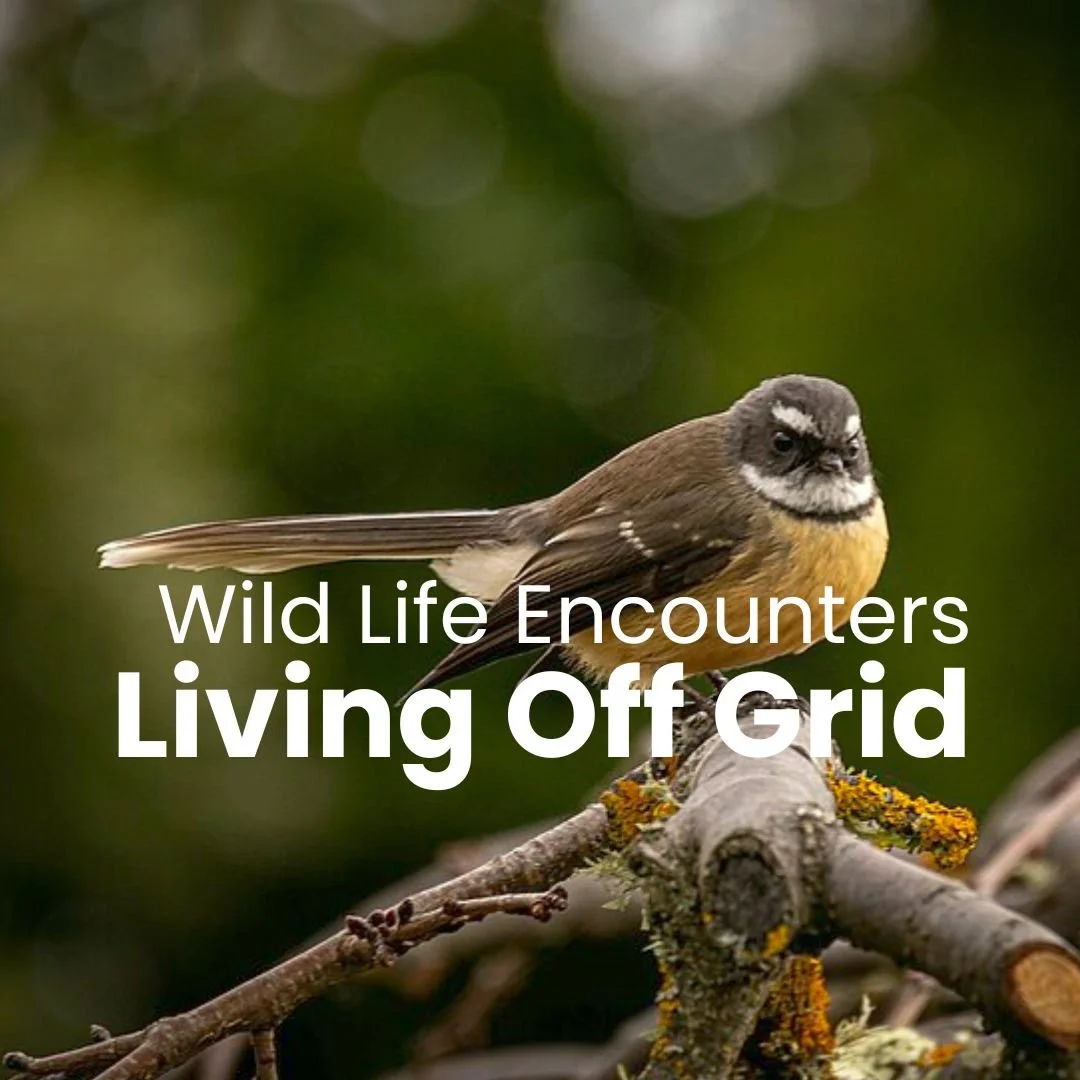
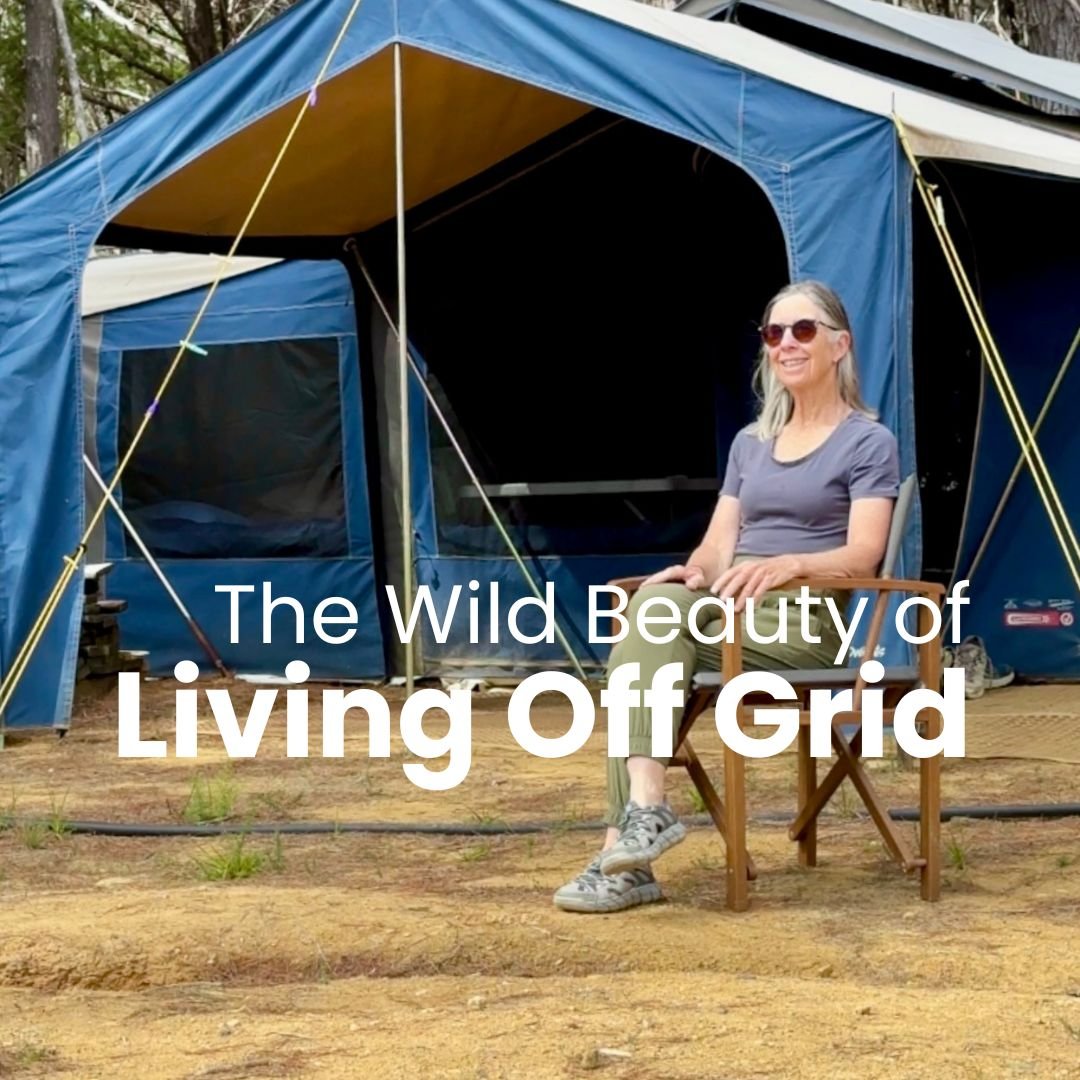
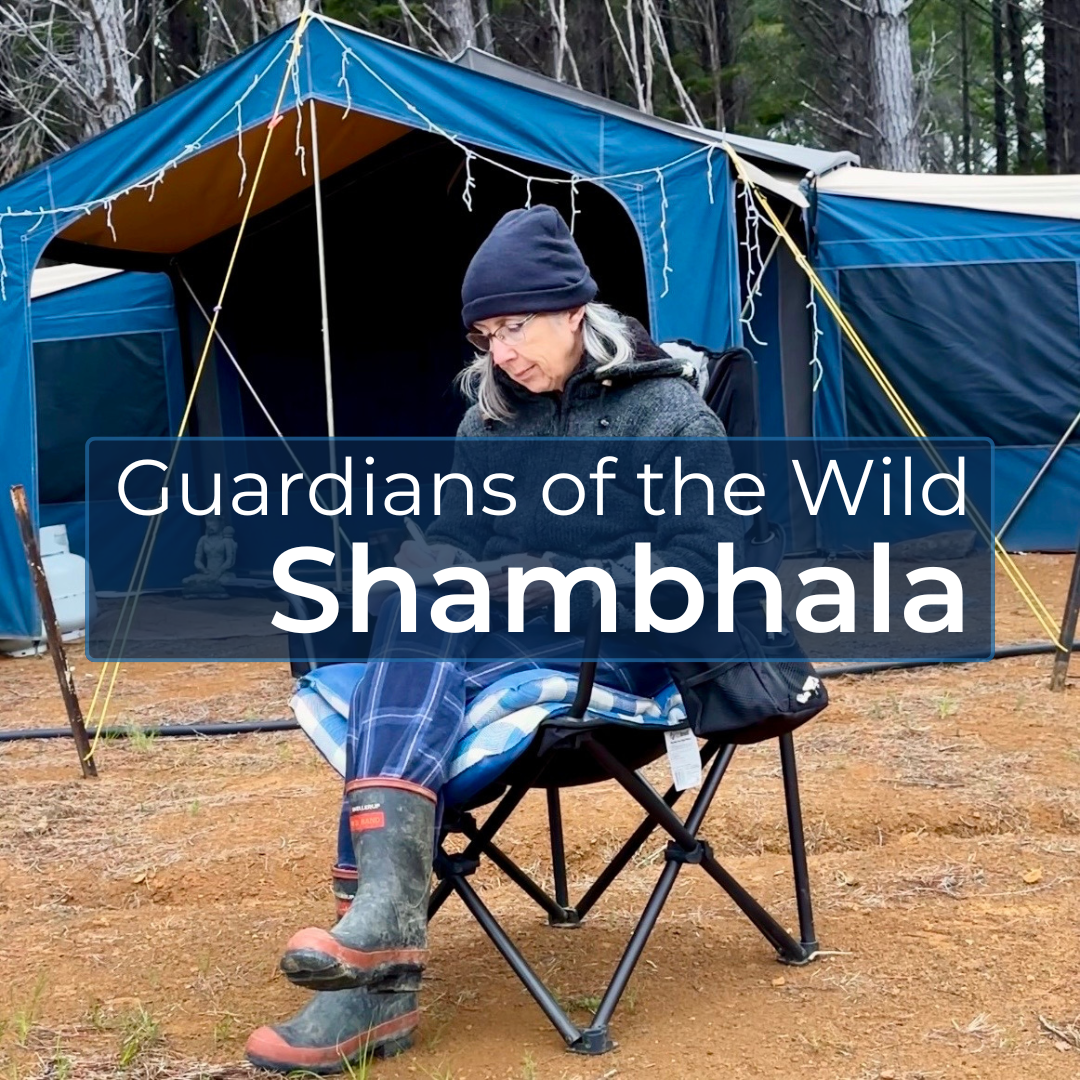



Living in a tent in the Coromandel bush while we build our off-grid cabin provides us with lessons in patience, resilience and humility.
Life here is immersive: you wake with the forest, sleep with the forest, and learn to navigate a world where humans are guests rather than masters.
In this post, I reflect on the experience of becoming one with Shambhala, a place of vast contradictions. Embracing those contradictions requires respect, attention and more than a little courage.