Shambhala

I knew once I’d spent a little more time on the land, sleeping under canvas, observing the twinkle of the Milky Way, listening to the wind whistle in the trees, the morepork and kiwi calling, even the possums squabbling, the name would present itself.
Shambhala
In Tibetan Buddhist traditions Shambhala (pronounced sham-bah-lah) is a spiritual kingdom that is believed to exist somewhere between the Himalayan Mountains and the Gobi Desert.
Hidden deep in a valley, the land is inhabited by a mystical brotherhood whose members labour for the good of humanity.

I’ve found Shambhala referenced as far back as the 11th century though of course no one has discovered it. Certainly no bearded white explorer called John. Now in the 21st century and beyond the mythical land of Shambhala, for the good of humanity has unfortunately been replaced by for the good of corporates regardless of the consequences to all sentient beings.
The Pine Forest
Originally, the land was cloaked in native forest including the New Zealand Aotearoa giants; kauri, totara, rimu, purirri and pohutukawa as well as many smaller and lesser known trees, shrubs and ferns. Birds nested high in the treetops and on the forest floor, lizards scurried to and fro and frogs hung out in the wetlands doing whatever it is frogs do.
If my short term goals were monetary, I’d allow the pine plantation on the land to mature further then clear fell it, before replanting in pines for what would be the third rotation.
In between the next cycle of pines establishing, the land would degrade further risking erosion, pollution of the waterways and the spread of introduced weeds such as wilding pines, gorse and wooly nightshade all of which already lurk here waiting to take advantage of the degraded conditions.
I’m not against pine trees (pinus radiata) per se, as an individual tree and in their native land (Southern California and Mexico) they are beautiful and of course we all need timber. I am against monoculture plantings of pine and the damage the practice has created and continues to create in New Zealand to both land and life and all of which has been well documented.

Pine tree plantation on Shambhala
Land Use Over the Last Century
More than a hundred years ago, the good standing timber on Shambhala would have been milled and then the remaining scrub burnt off to establish pasture for the farming of cattle and sheep.
Exploring deep in the native forest, we’ve since found the odd totara fence post still in place, a testament to the strength and longevity of that beautiful tree.
After the burn-off and before the grass became habituated the topsoil would have washed down into the valleys and out to sea due to the contour of the terrain and the sometimes extreme rainfall that comes with being in a temperate climate.
In Coromandel the annual rainfall is 1215 millimetres or 49 inches and the average temperatures are 15.2°C or 59.3°F. It rains a lot and due to the changing climate, it sometimes seems to come all at once!
When you fly over the Coromandel Peninsula it’s clear how much erosion there is on any of the steeper land that continues to be farmed.
When finally realising the economic futility and heartbreak of attempting to farm this terrain the land owners looked for alternative use. From a commercial perspective, the land was considered waste and the Forest Research Institute (FRI) at the time was recommending that pine (pinus), cypress (cupressaceae), blackwood (acacia melanoxylon) and eucalyptus (myrtaceae) be planted.
None of the trees recommended by the FRI are native to New Zealand and the neighbourhood where the property is located now suffers the consequences of this short sighted advise.
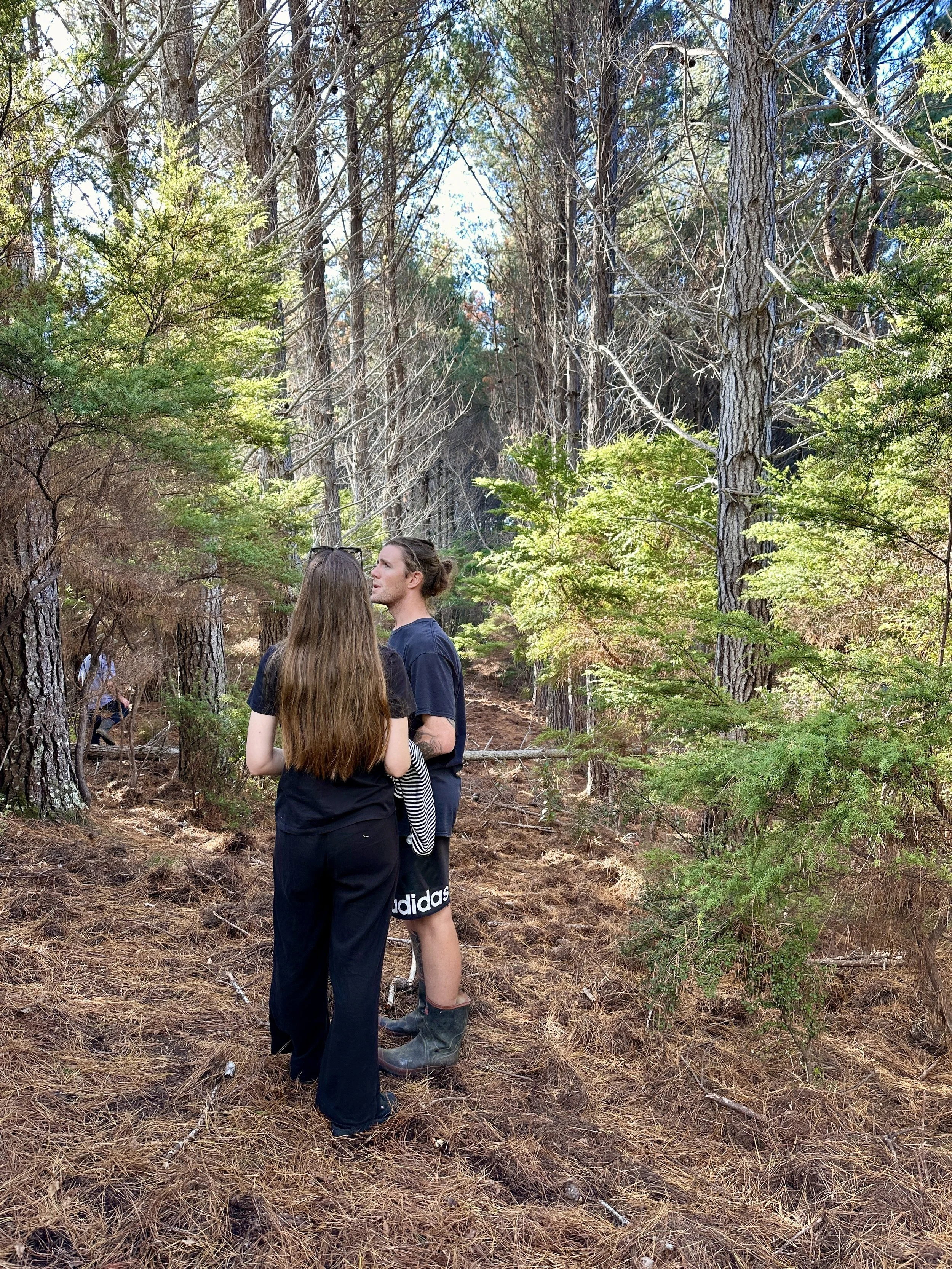
Isla and Oliver, Shambhala pine forest
Any land that is not actively managed has become home to these invasive species with them actively out competing the regeneration of native trees and when given a chance, taking over pasture. Left to their own devices, these introduced weeds will in time, take over the land with the wilding pines being the eventual winners.
As a result of the degradation of the land, the small area under the pines that we’ve cleared for our campsite is mostly clay and will be hard work to develop into good healthy organic matter.
The current stand of pines is around twenty five years old and comprises only a small portion of the total Shambhala land. The balance is already in regenerating forest with mānuka tea tree (leptospermum) well established and at this time of year attracting many bees to its dainty white flowers.
My challenge now is how best to transition from the existing pines and return the land to native forest without causing further damage. This is going to be a long and careful process but there’s no rush, my plans for conservation and biodiversity are long term and as the saying goes, good things take time.
My Observations
In the meantime I’ve slowed down to observe my surrounds; I’m listening and watching carefully to see who is already living here, where the wind blows and the water flows and how the sun lights up the gullies. I’m keeping a journal of what I observe that includes all those little details.


It’s presently high summer and the temporary shelter we’ve built is facing due north while the wind this week has been predominantly a south westerly. This week, the temperatures are a cool 15°C to 23°C.
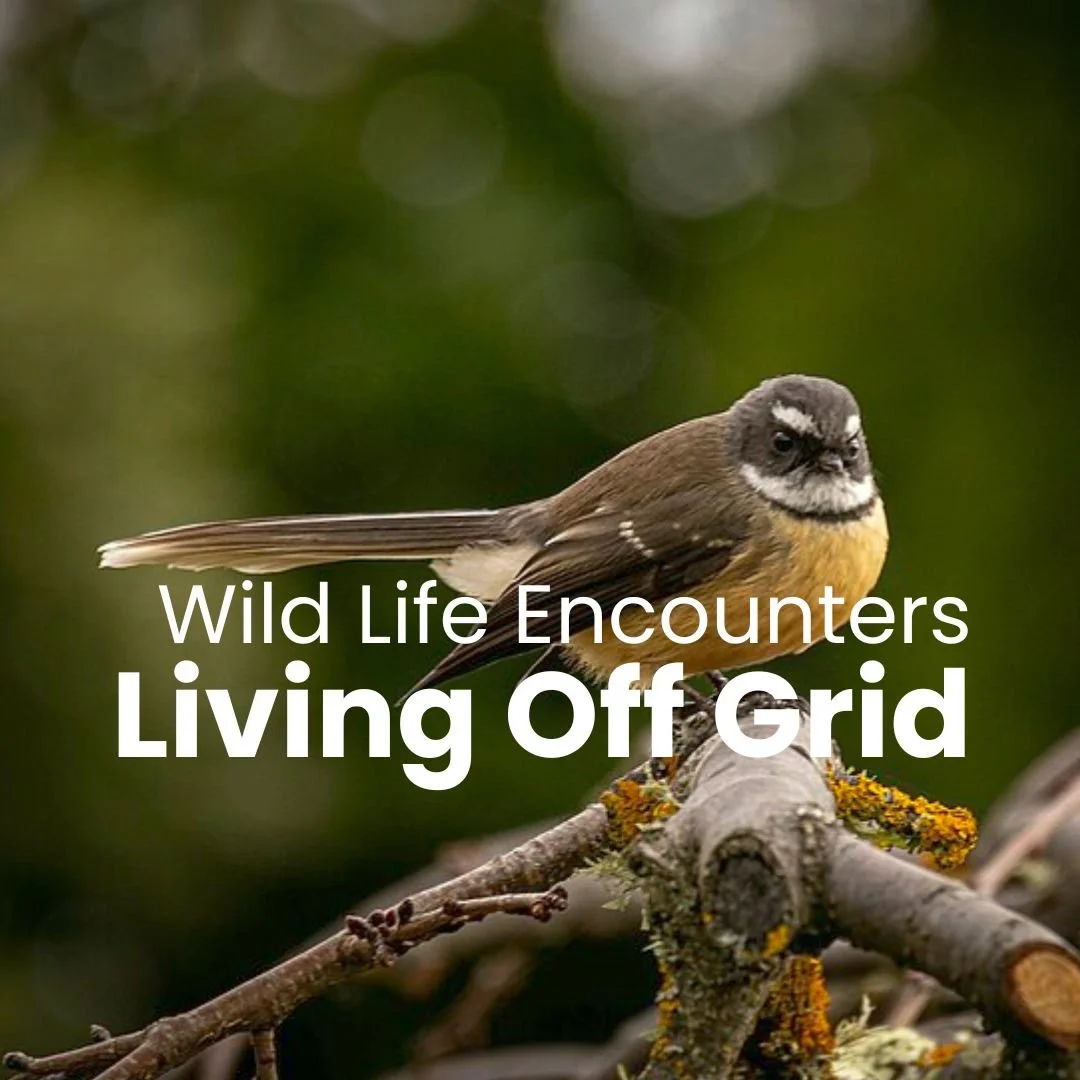
There’s not much animal or bird life amongst the pine trees though the kihikihi cicadas are loud during the day and the occasional mokoko gecko scurries by. Other than a couple of magpies, the other birds are all living in the native forest rather than the pines. From my camp stretcher at night, I occasionally hear the croaking of poroka frogs from the nearby wetlands.
The larger stream is home to a family of tuna eels who are not bothered at all by our presence though they’ve certainly put me off taking a dip in the stream!

Eels in stream at Shambhala
Wild Animals
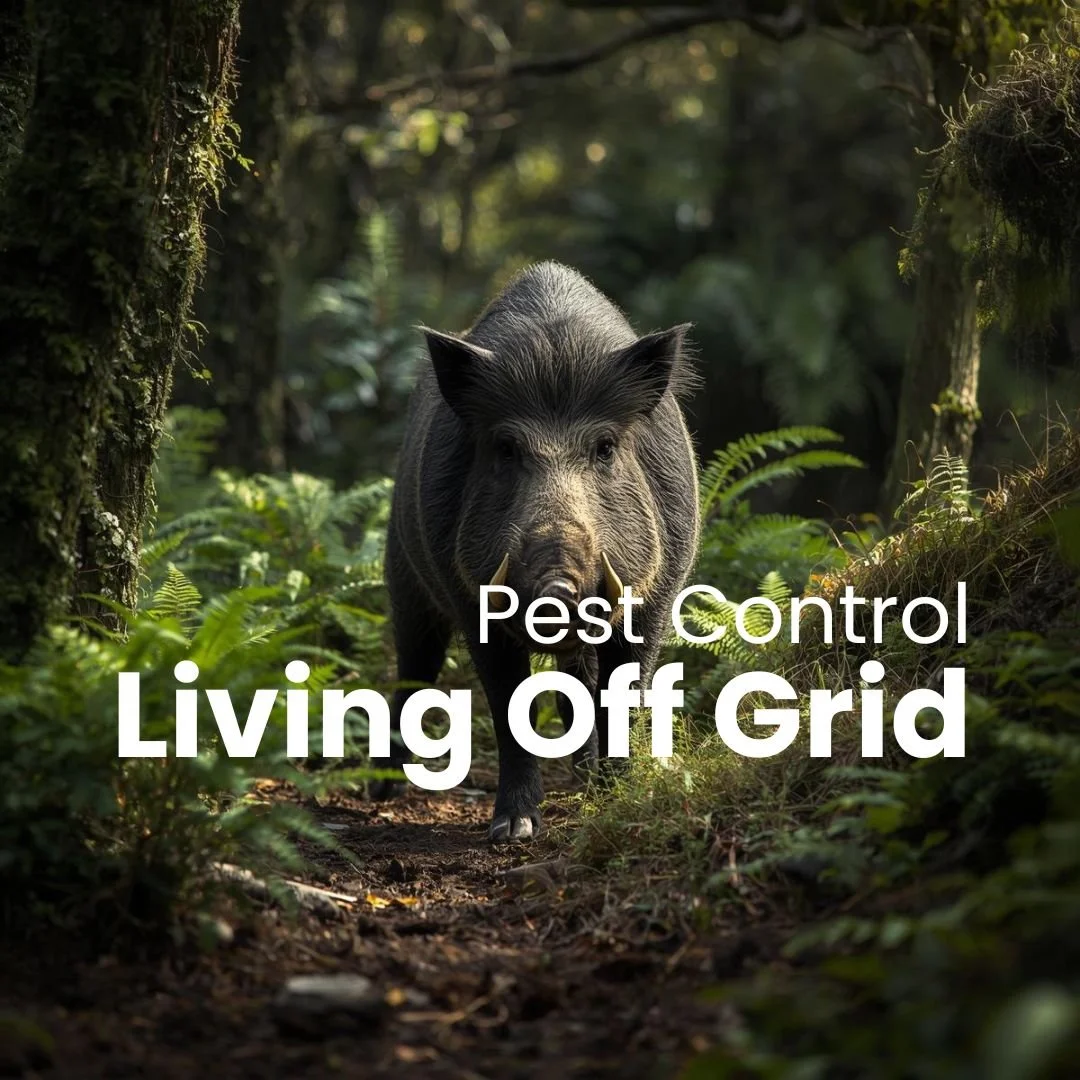
There’s plenty of sign of possums, pigs and goats plus some stray cattle which have wandered through from a farm further down the valley. I doubt we’ll ever eliminate the wild pigs and possum completely which will make replanting extremely difficult.
By sign, I’m referring in general to animal poo. More specifically pig rooting whereby the pigs have dug up the land seeking the roots of native plants and grubs. The possums eat the leaves of the native trees causing those trees to die. Unfortunately, the possums prefer the native to the pine trees which they leave for the most part untouched.
No doubt there’s also wild cats, hedgehogs, rats, mice and stoats. We’ll be extending further on the stoat trapping line which crosses one corner of the property and putting in place systems for other pest control.
There’s other evidence of the presence of these introduced animals, a notable one being the relative silence of the native forest. Our native birds don’t stand a chance against these predators many of who will raid nests for the eggs and fledglings or catch the adult birds.
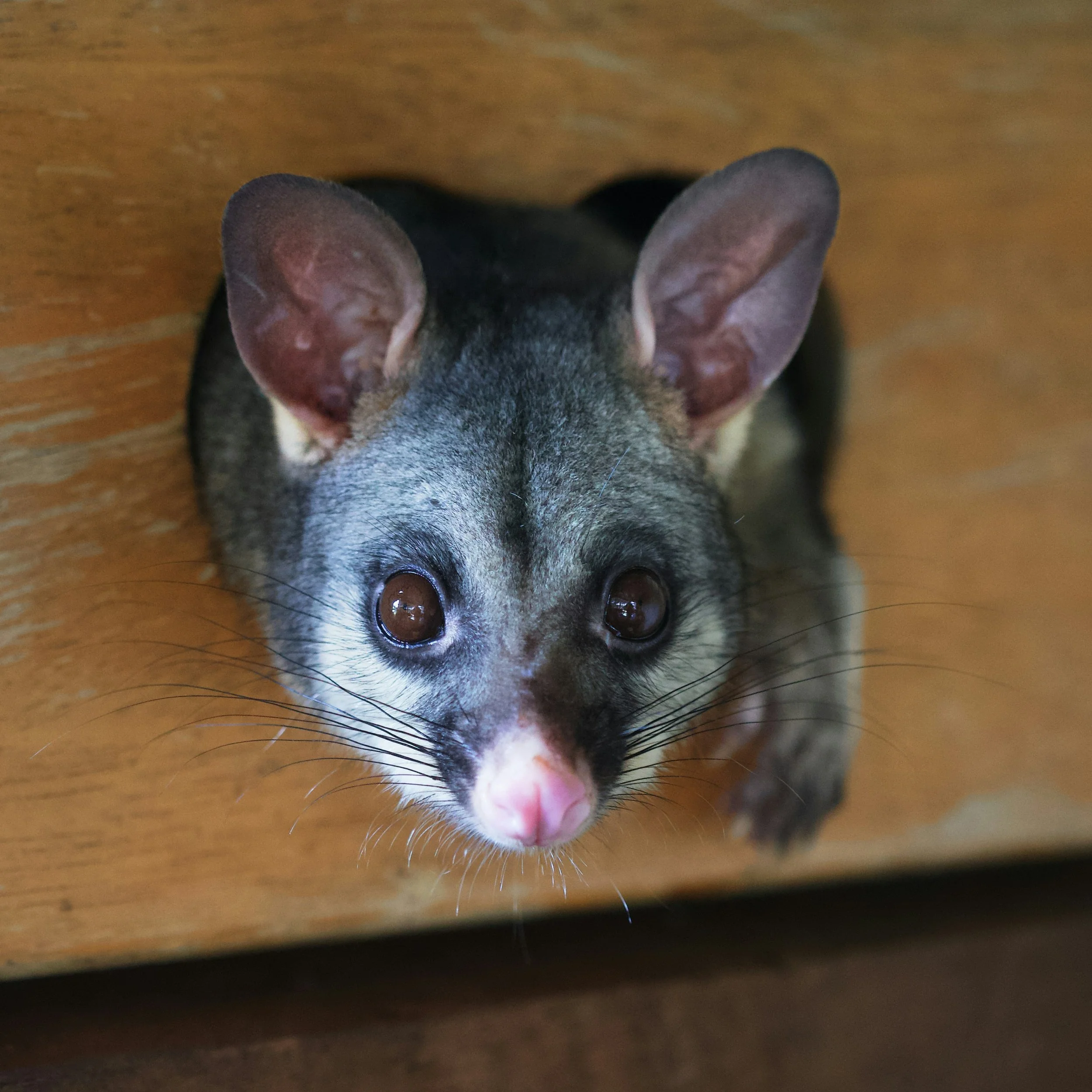
Brushtail Possum
There’s a dozen commercial bee hives and with all the mānuka tea tree in flower, the honey bees are very busy. The end product is organic and we’ll not do anything that might change it’s status.
For my overseas readers who are unfamiliar with New Zealand’s ecology, before people arrived, there were no animals, just the birds, insects and reptiles. Every animal in New Zealand has been introduced and as they’ve no apex predator (other than humans), the wild animals cause untold damage to the native flora and fauna with sadly many of our beautiful creatures becoming extinct or near extinct.
Work Completed
Although I bemoan the pine trees, it has made accessing the property easier due to the pre-existing tracks that were built for the forestry work.
For the most part, the tracks are overgrown with opportunistic gorse (ulex europaeus), mānuka tea tree (leptospermum) and punga tree fern (cyathea dealbata) springing up anywhere the light can penetrate.
With the right equipment and much enthusiasm from our extended family, it hasn’t been too arduous to reinstate the clay track up to our chosen campsite.

Clearing the track, Shambhala
In time, rock will be added to the track to ensure it’s an all weather access for four wheel drive vehicles. Right now if it rains, it’ll be a slippery slide to the bottom and certainly not to be attempted.
We’ve built a temporary post and beam shelter (yes, the timber is pine) which is roofed in repurposed tarpaulins. To the delight of my family, the roof tarp is a "McDonalds" billboard advertising frozen coke, something they know I’d never knowingly consume. Soon we’ll add spouting to catch water off the roof and in the meantime, we’re collecting the stream water for washing.
We’ve a large shower tent with water being heated by either a gas califont system or simply by a solar shower bag, depending on who’s in residence. As well, we’ve now a long drop toilet though in time, we’ll create a composting toilet and recycle the contents. Yes, you did read that right.

A work in progress - the longdrop toilet, Shambhala
This property will remain off grid with all power, fresh water and waste water disposal being our own responsibility. There is a weekly rubbish and recycling collection about three kilometres away however we’ll be dealing with any organic waste onsite. This includes food scraps, wool and paper waste.
We’ve all got mobile phones and with that, we’ve internet connection though the coverage varies depending on the provider. Fibre is non existent in this area and for me as a full time content creator, it’s a challenge, perhaps in time and with support, I’ll be able to link up to a satellite system.
There’s a rural mail delivery service about three kilometres away along with the school bus pickup. There’s a general store about twenty minutes away and the nearest town is a fifty minute drive from Shambhala. The main centres of Auckland, Hamilton and Tauranga are all around three to three and a half hours drive.

Sharon Evans with the big tent, Shambhala
Choosing Our Campsite
We had many months to consider where best to site our first camp and took into account the existing ecology, topography, climate, impact, ease of access and view.
The site we’ve selected is right at the edge of a pine block and had a pre-existing (overgrown) forestry track to it. This meant we could limit potential damage to the native regenerating forest by clearing a campsite or creating new tracks within native forest.
To reduce competition, pines like eucalyptus trees, drop an oil on the ground that prevents other trees or shrubs growing and crowding them out. This made it easy for us to scratch out tent sites between the existing pines which now also provide us with welcome summer shade and the occasional pine cone!

A work in progress - the shelter, Shambhala
We removed some pines in order to create a space to build our shelter and the fallen trees are being repurposed for retaining walls, firewood and creating habitats for insects and birds amongst other uses.
It’s not all work and no play, and our northerly view extends across the land and neighbouring properties which are largely conservation blocks with some more pine plantations. In the distance is a glimpse of the beach and the sparkling blue of the Pacific Ocean. From our site, we do not see any buildings, infrastructure or development other than the pine trees and the lighthouse blinking on the distant island. The star scape at night is fabulous with the Milky Way right above us and surprisingly many many satellites chasing each other across the sky.
A Typical Camp Day
We have a large, comfortable tent which we find necessary when living on the land for an extended period and a huge upgrade on our various tiny hiking tents. All our friends and family are well set up for camping and their tents pop up overnight like mushrooms as people come and go. During our first full week working with the land, there’s been eighteen of us onsite contributing enthusiastically to the project in one way or another.

New Year’s Day 2025. Sharon, Oliver, Isla, Millie, Jarvis, Liam, Giann and Carlton
As with anywhere, there’s domestic duties to be done including the cooking, cleaning, collecting water and washing. It’s just that when you’re camping, it all takes a little longer and you’ve got to remain adaptable. We’ve been fortunate to have had fabulous sunny days which helps with camp life.
Each day we go for a walk across the land to explore new corners, it’s easy to walk under the existing pines however the regenerating native forest which is the bulk of the land is dense and hard going.
It’s in the native forest though that the magic happens and we’ve discovered beautiful ferny glades, tiny springs with miniature waterfalls and many native birds that we’ve yet to learn the names of.
For a change, we’ll wander down to the nearby beach, head out fishing, diving or just messing about with kayaks in the tidal lagoon. We’re miles from anywhere but there’s plenty to do.

Andrew Gash enjoying a cuppa and the view, Shambhala
Our Plans
This is to be a conservation block and firstly, we will be doing our utmost to look after the existing ecology and actively encouraging greater native biodiversity.
In time, there’ll be a native tree nursery for our own plantings, an organic vegetable garden and a food forest. We’ll upgrade our existing campsite to include a shower and toilet unit and we’ll build a wee timber cabin. Power will be provided by a solar panel system and we’ll harvest rain water.
Everything will be low key, off grid and blend with the environment however we are pragmatic and if a petrol engine is going to make life easier, we’ll be using it!
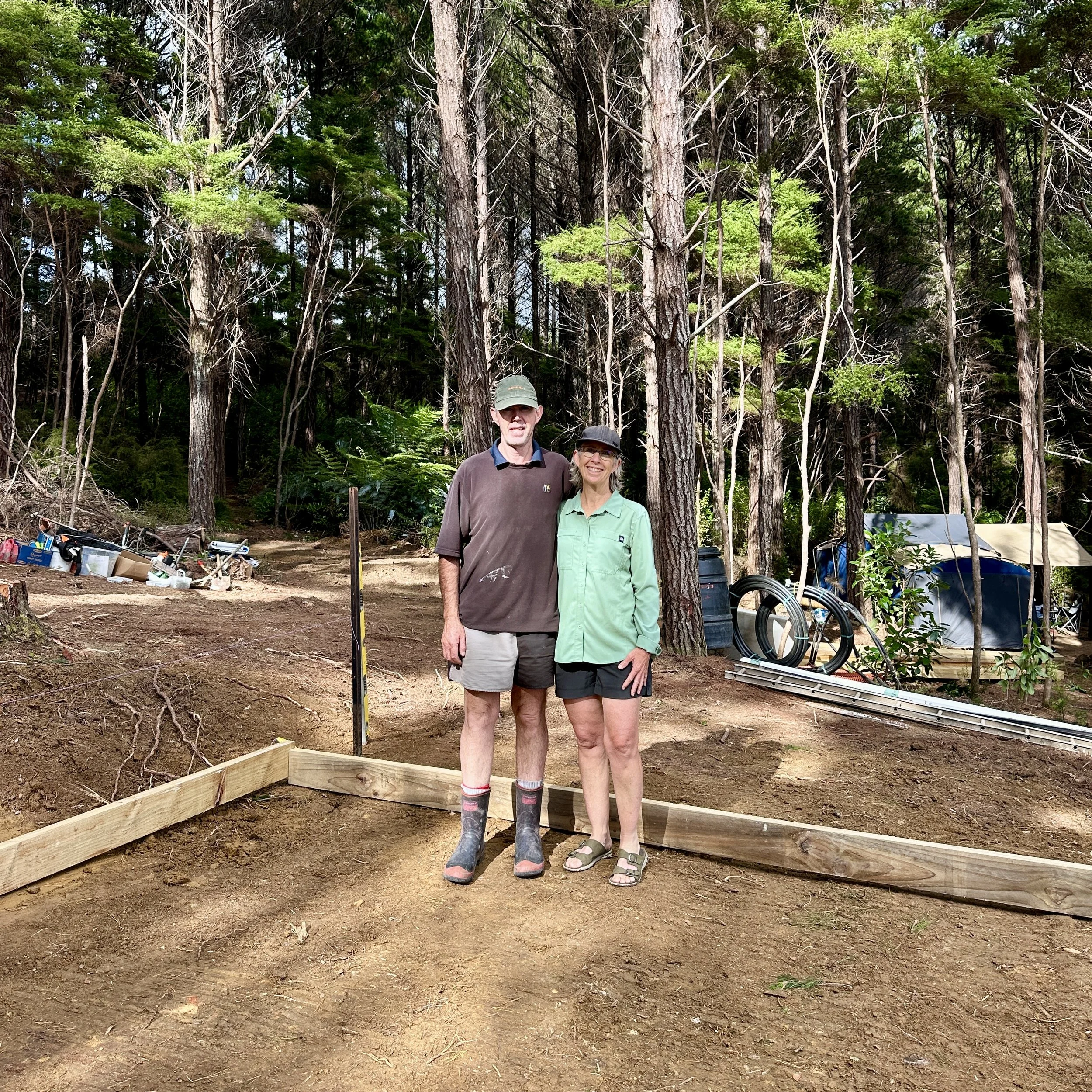
Andrew Gash and Sharon Evans, Shambhala
Creating Shambhala
It’s with great excitement that we are embarking on this huge adventure and while my family may be new to this particular property, we’re not new to this area having spent many years living in the extended Coromandel neighbourhood where both my sons were born.
By taking our time and observing, we’re learning what the land will share with us so that we can help it to heal once more. This is a huge undertaking and what I’d like to achieve with Shambhala is more than stretching my comfort zone.
Have you ever left your safe place and dared to dream big, so big that it scares you? Share your experiences and observations in the comments box below so that we might all learn from each other 🌳🌲🌳
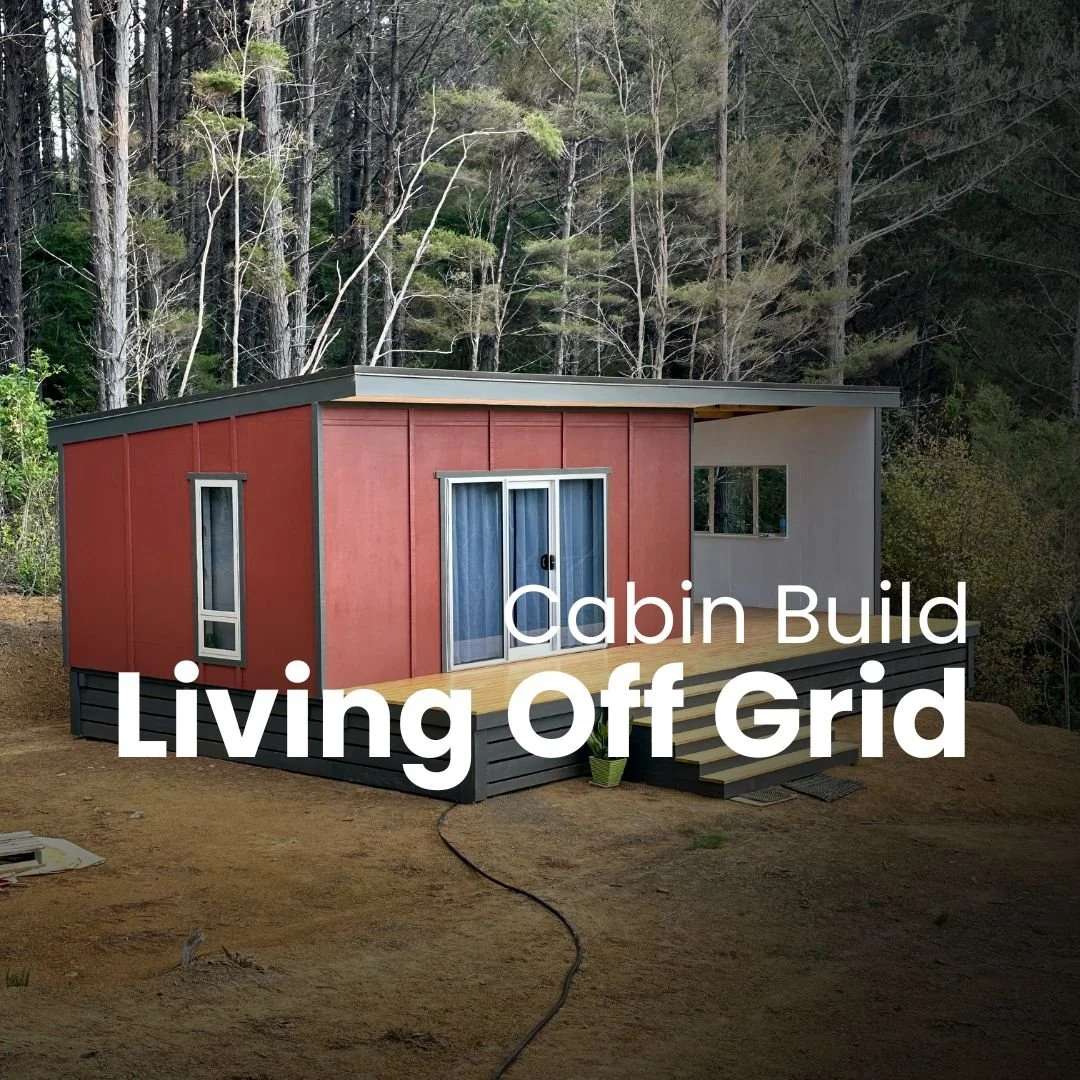
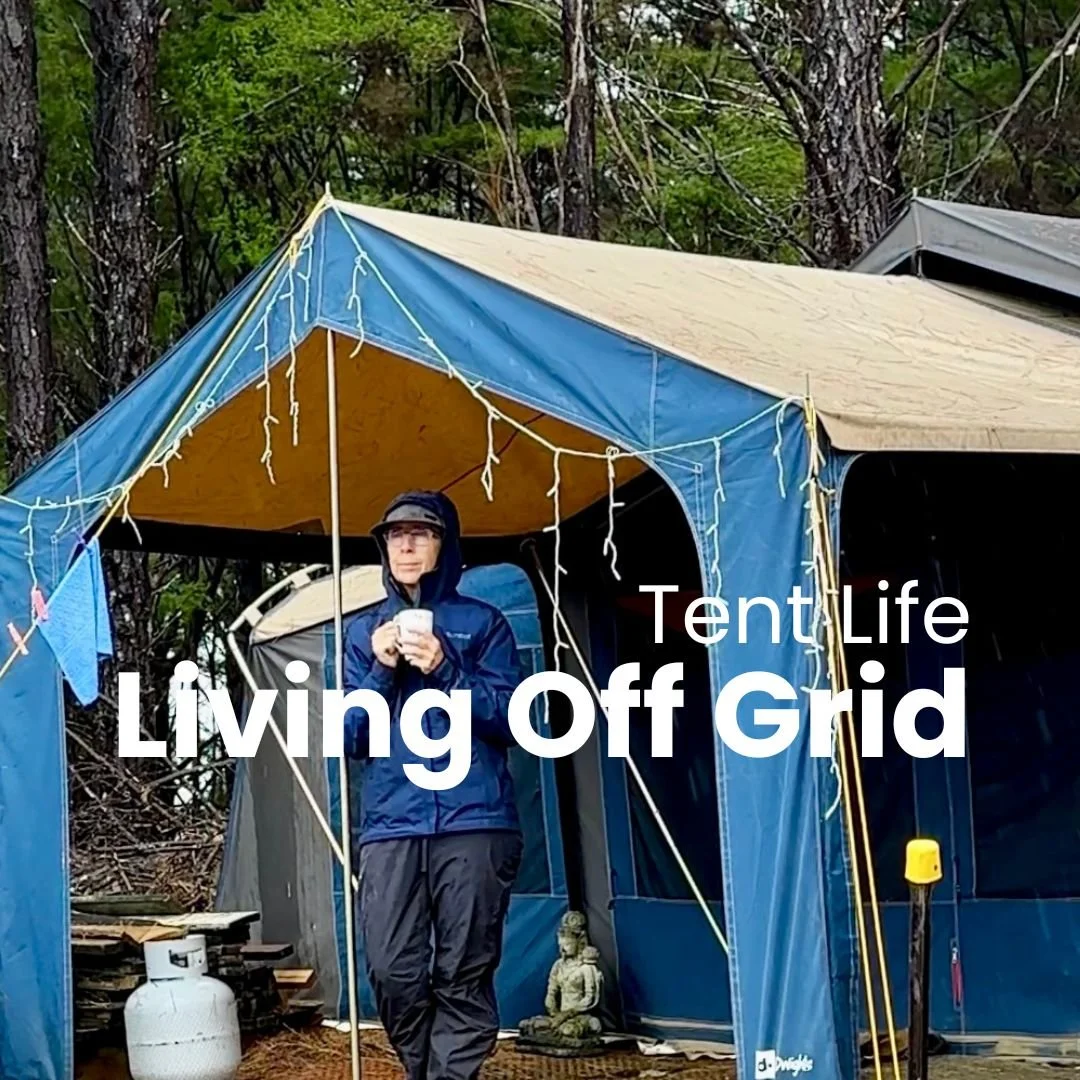
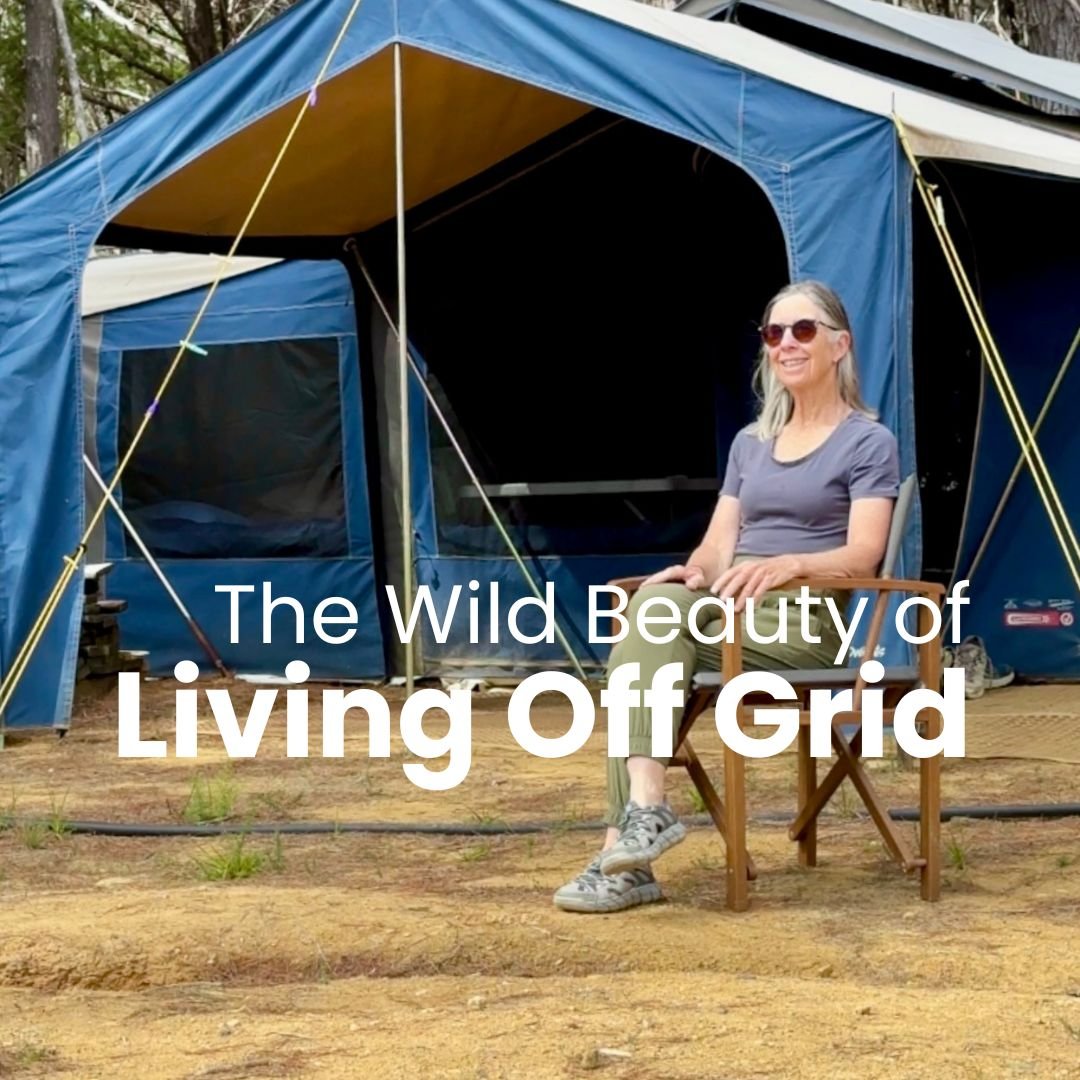



Living in a tent in the Coromandel bush while we build our off-grid cabin provides us with lessons in patience, resilience and humility.
Life here is immersive: you wake with the forest, sleep with the forest, and learn to navigate a world where humans are guests rather than masters.
In this post, I reflect on the experience of becoming one with Shambhala, a place of vast contradictions. Embracing those contradictions requires respect, attention and more than a little courage.