Putting Down Roots
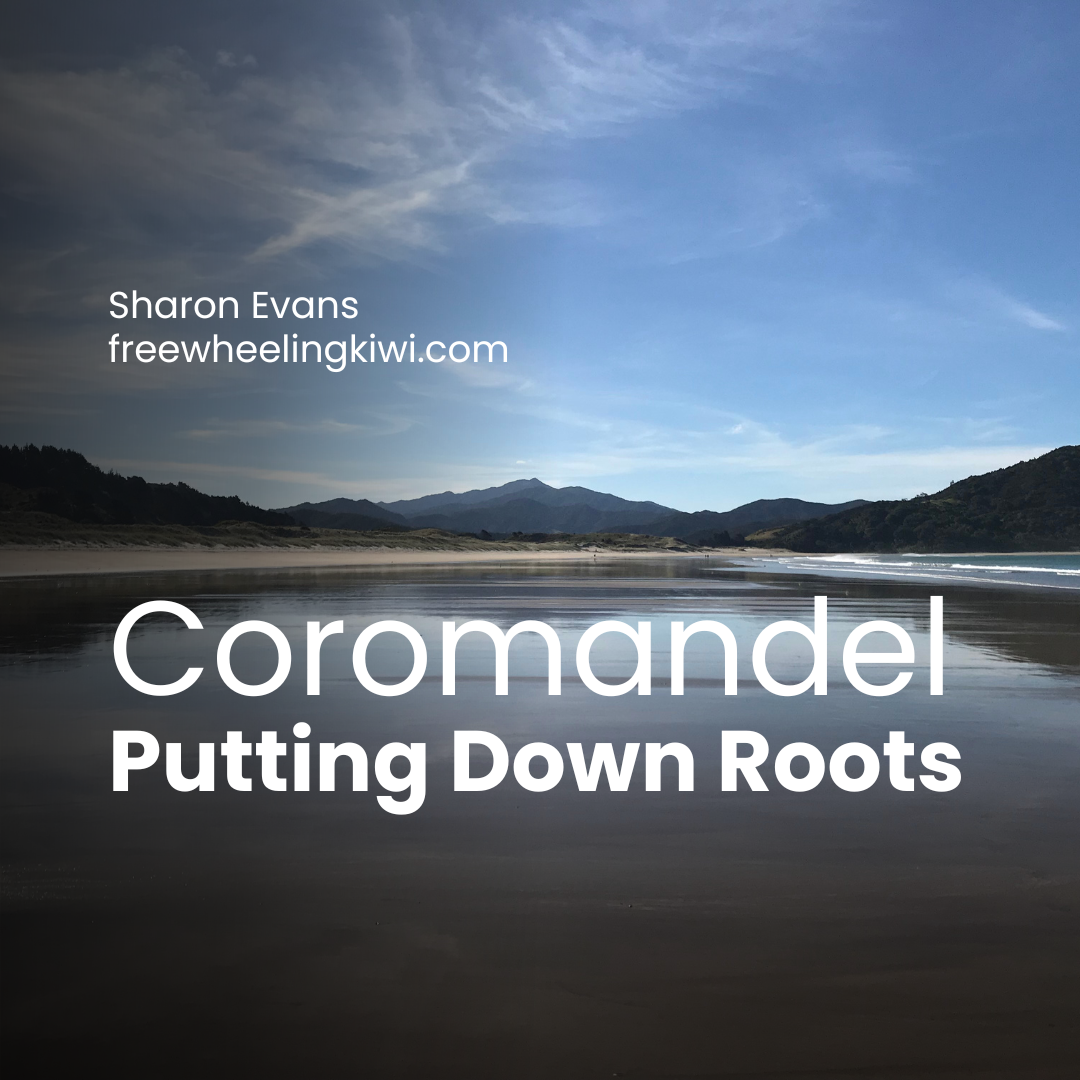
Christmas at the Beach
We tore down to the beach, our new inflatable flutter boards bouncing cheerfully behind us. We had enough experience not to swim in the first part as the sand was mixed with small rocks and if you were rolled by the huge waves, you’d end up with gravel rash.
Onwards a little further and the sand was pristine with the waves rolling in predictable sets of seven. We ditched our towels above the tideline and raced each other into the surf, excited to be trying out our new boards.
Hours later, exhausted, sunburnt and hungry, my brother, sister and I returned to our off grid campsite where somehow, Mum had put together a wonderful Christmas feast. The highlight for me was canned creamed rice and shop bought, steamed plum pudding for dessert.
Lazing around after lunch in the shade of the kanuka trees I reflected on the morning and thought to myself, one day, I’ll live here. I was ten years old and at that moment the stage was set.
Early Days
Since it first opened to the public in the 1970’s and no matter where I lived in the world, I have frequently returned to camp at the beach. Back then it was a "Lands and Survey Camp" with very few amenities, thankfully, it hasn’t changed though the Lands and Survey Department was disestablished in the 80’s and the Department of Conservation otherwise referred to as DOC took over its campsite functions.
We had a very privileged upbringing and by this, I am not referring to material wealth. We were privileged in having had the good fortune to be born in New Zealand, a country that has a stable government and economy, low crime rates plus a high standard of living when compared to other countries.
We lived in the countryside during the 70’s and on weekends, us kids left our home as soon as we’d finished our allocated chores only to return as the setting sun reminded us of the time. We were free to roam far and wide and we did, a rag tag collection of neighbourhood kids getting around on bikes, trolleys or horses, building multi storey huts and rafts from scavenged materials and swimming far out into the shallow lake in front of our home.
We taught each other about communication, problem solving, conflict resolution and goal setting. Budgeting skills saw me buy my first ten speed bike - a beautiful metallic green Healing - a puptent and an airline ticket for a solo trip to the South Island well before I was a teenager.
Our parents, who both worked full-time encouraged autonomous thinking, something they possibly regretted when they had three teenagers on their hands. I’m grateful that our parents were always home for us at night and able to take us on long summer holidays which is how we found our way to the beach with our brand new (second hand) family tent.

Campsite 2022, Waikawau Bay, Coromandel
Annual Odyssey
Having already endured two hours squashed in the backseat between my brother and sister, the car and trailer overloaded with the necessities for a month’s camping we finally reached the coast.
Ancient pohutukawa trees draped in delicate crimson flowers grew in the most precarious of positions, clinging valiantly to rocks and arching out over the sea. Cormorants had set up camp on a favourite rock, distinguished by their happy squabbles and the tell tale stacks of guano. In an attempt not to get carsick on the windy road, I’d distracted myself by counting more than fifty watchful kingfishers perched on the power lines within less than thirty kilometres.
Excitement grew when at last we reached the final town en route to the beach, only an hour to go now on what was a four hour odyssey.
We’d left home at daybreak and were under strict instructions that once we arrived at the beach we were not to disappear, instead we had to help "set up camp". From prior camps, us kids knew this exercise involved much tension amongst the adults which was more than guaranteed on this trip with an untested tent including seemingly dozens of colour coordinated poles. Little did we appreciate the effort our parents had gone through just to get us here.
Leaving the town and with it, the last of the sealed roads, we hit the gravel, dust now added to the heat and misery in the backseat as the three of us struggled with car sickness. In anticipation of the fun times we’d have assembling the tent, Mum and Dad smoked even more, worsening our agony in the back.
A final windy, dusty hill and then far below we could at last see the beach. Nothing but miles of sparkling white sand, the deep blue of the Pacific Ocean and tawny tussock fringing the large bay, bookended by pohutukawa clad headlands. There was not a house nor structure to be seen anywhere, to us, this was bliss.

Low tide, Waikawau Bay, Coromandel
A Legacy
I walked barefoot on the packed sand, the ocean whispering quietly to my side and the sun catching a million microns of silica. An oyster catcher balanced steadily on one foot while following my movement along the tideline with one beady eye. I knew I was home.
My life has mirrored the ebb and flow of the tide on the beach with its natural highs and lows. Though many decades had passed since that Christmas lunch, I’d maintained a deep spiritual connection to the area. I’d returned regularly to camp alongside the beach, bringing friends and family and now, the fourth generation are learning to love the freedom.
Some years ago, I decided it was time to find the forever land, a place to put down roots, literally, to plant trees, connect more closely with nature and create a legacy. I walked the length of New Zealand to see what else there was but nowhere called to me like this area does.

Sharon Evans and Carlton James, Waikawau Bay, Coromandel
The People
I realised then, it’s not about the beach, it’s about the family. In the 70’s the family was myself, sister, brother and Mum and Dad. The 80’s family consisted of me and teenage friends, in the 90’s I introduced my sons, the 2000’s my sons and their school friends. 2010’s saw my sons returning as young adults with many of those same friends and now in the 2020’s my sons, their wives, extended circle of friends and young children.
Like the giant sand dunes at the northern end of the beach, the family is ever evolving. I am grateful that Andrew also feels a deep connection to the area and we now have the pleasure of introducing his family to this beautiful coastline.
It was never about the beach, it was always about the family.
“He aha te mea nui o te ao? He tangata, he tangata, he tangata”
”What is the most important thing in the world? It is the people, it is the people, it is the people.”
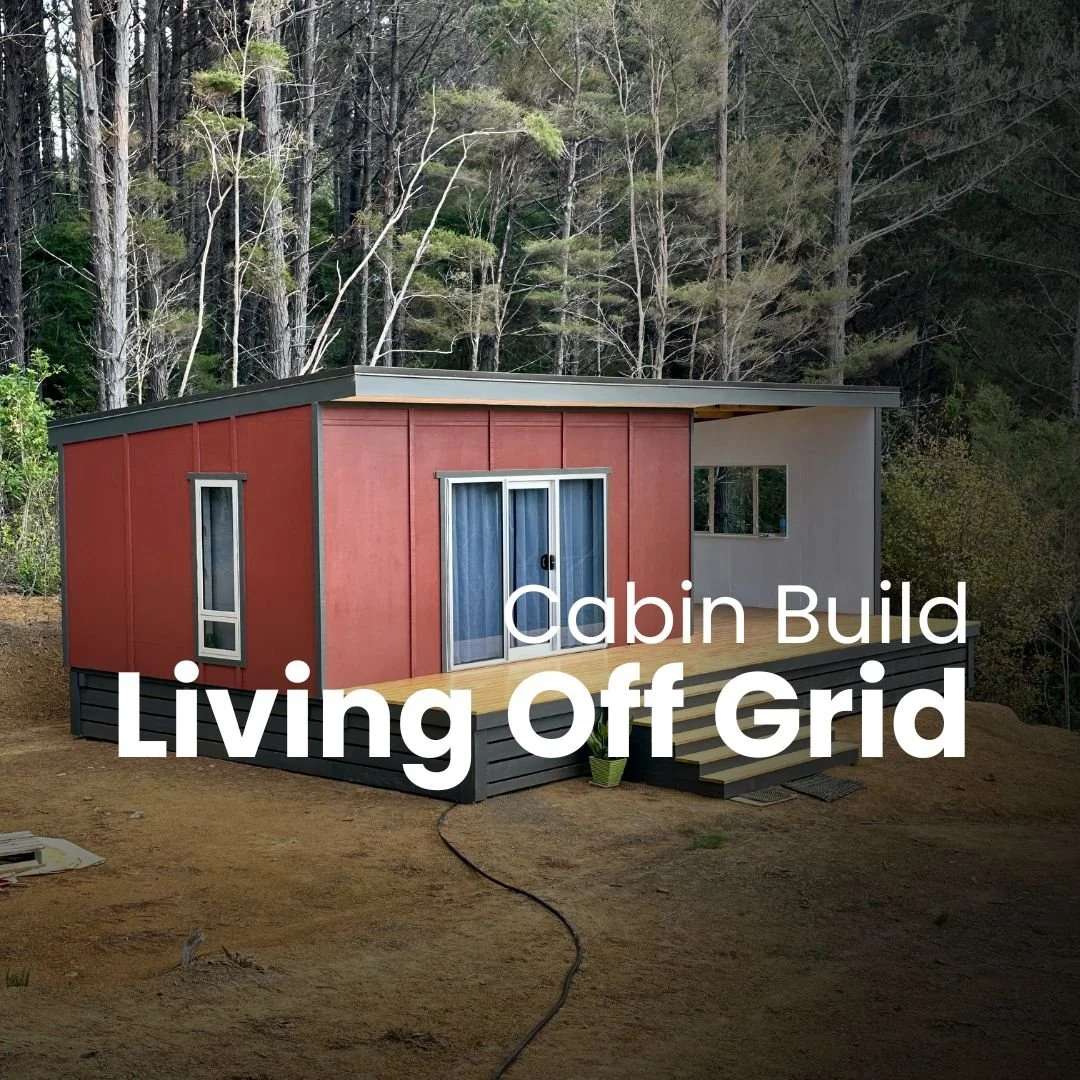
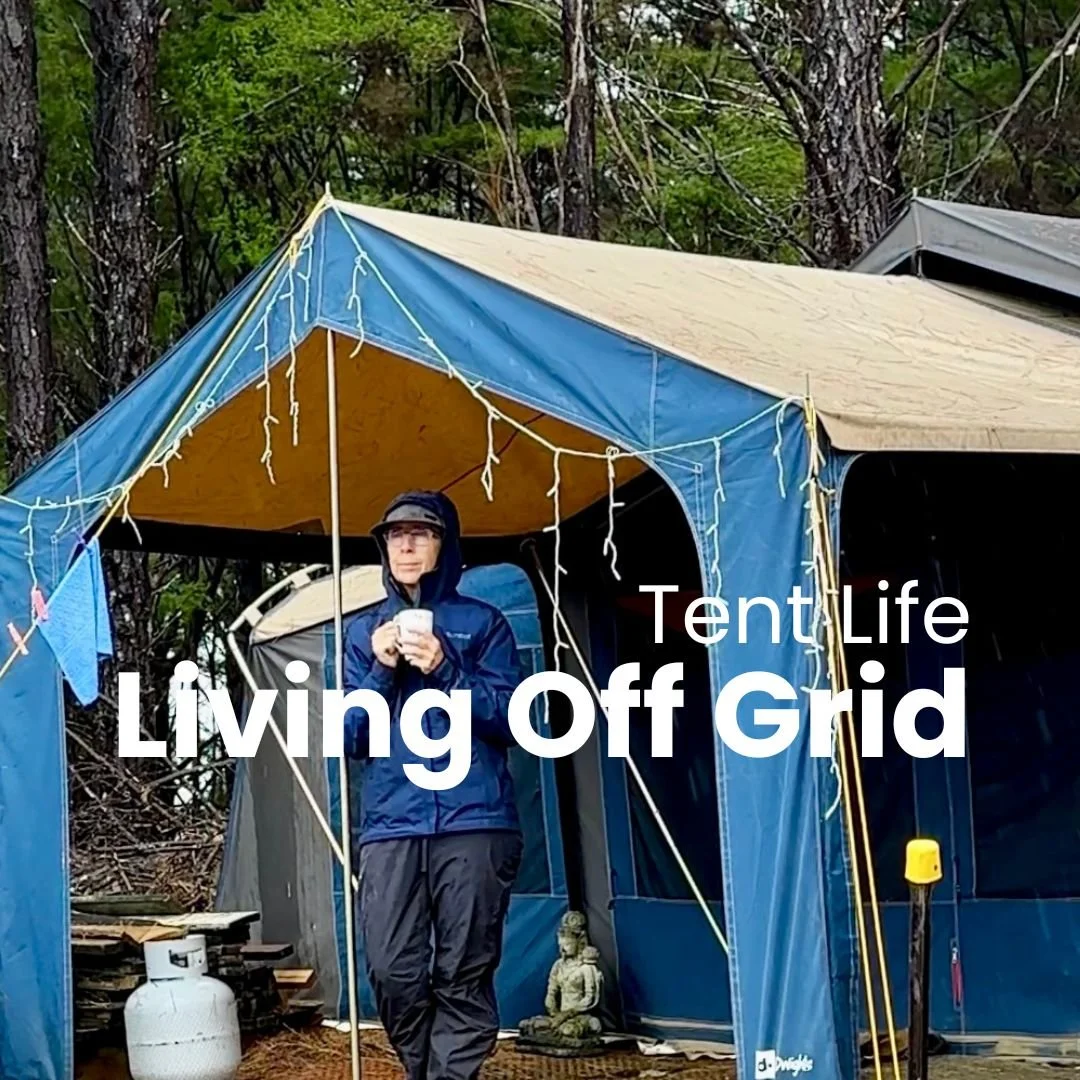
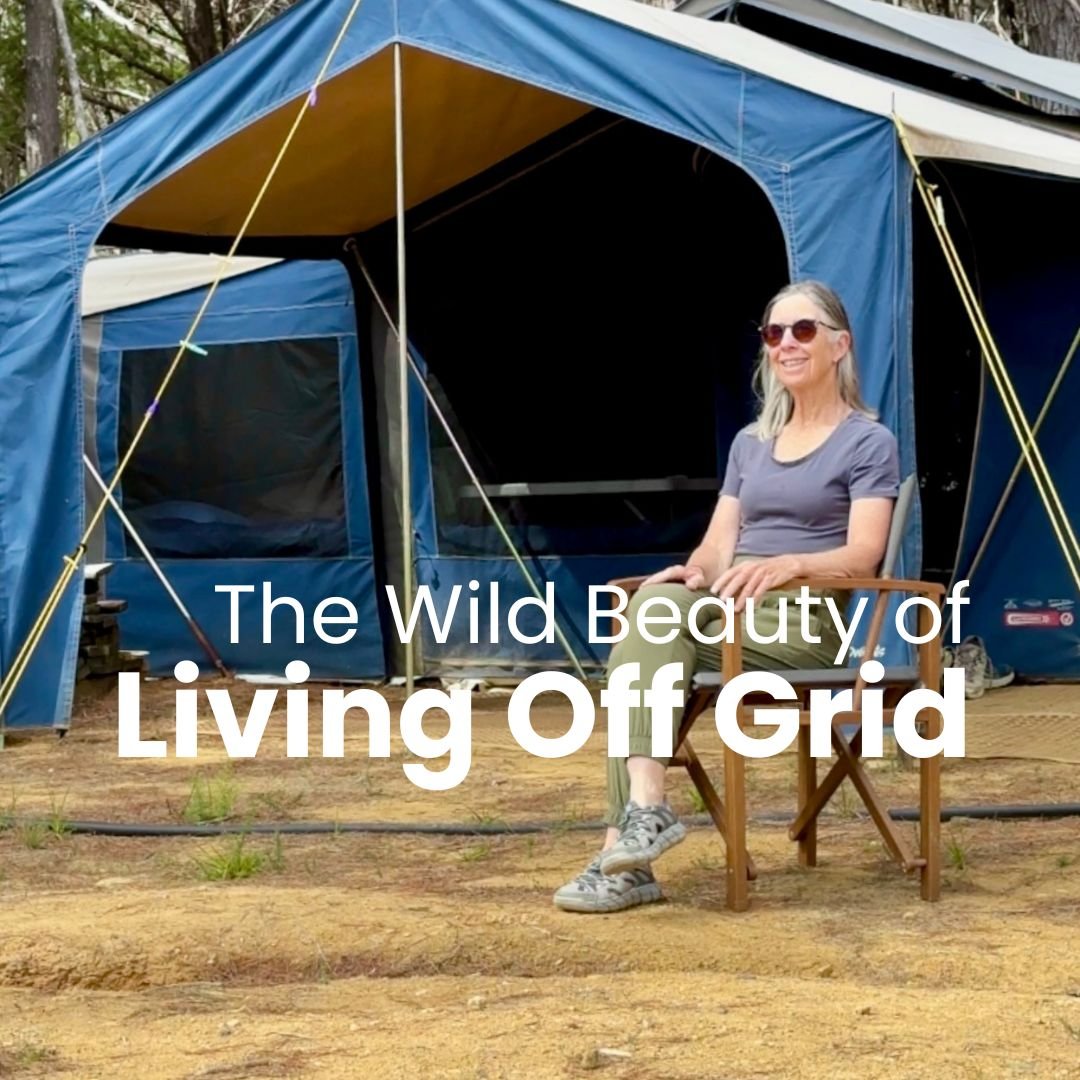
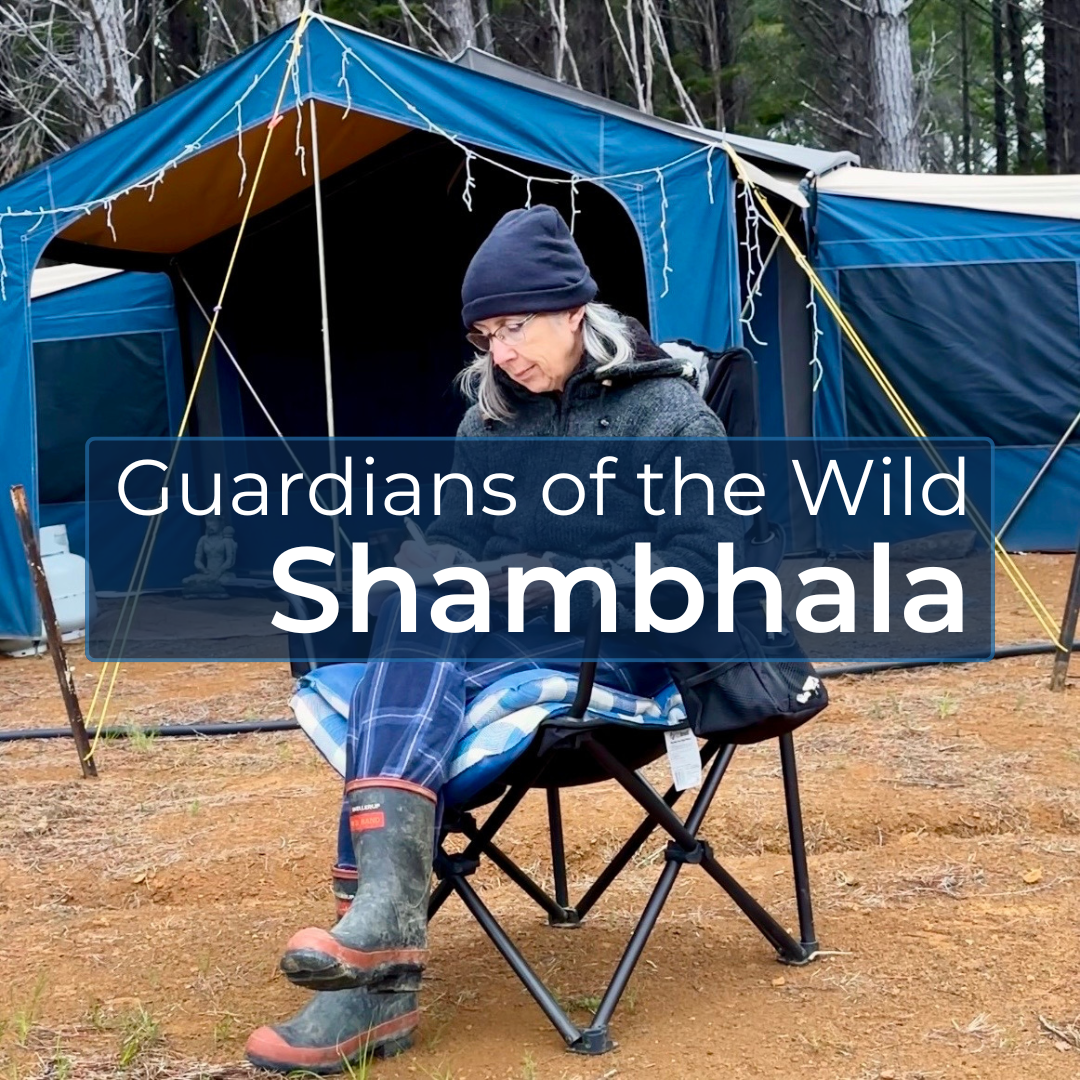


Living in a tent in the Coromandel bush while we build our off-grid cabin provides us with lessons in patience, resilience and humility.
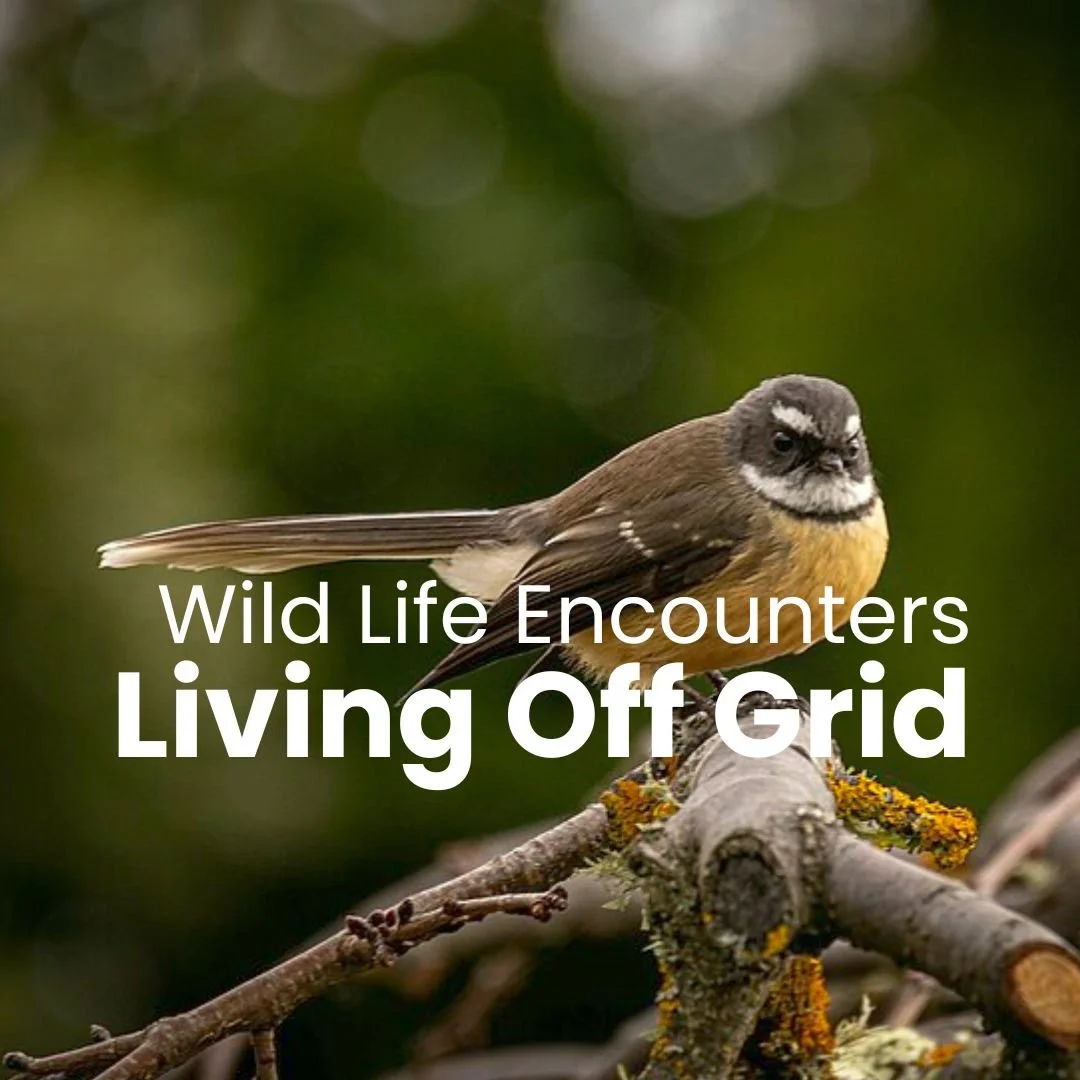
Life here is immersive: you wake with the forest, sleep with the forest, and learn to navigate a world where humans are guests rather than masters.
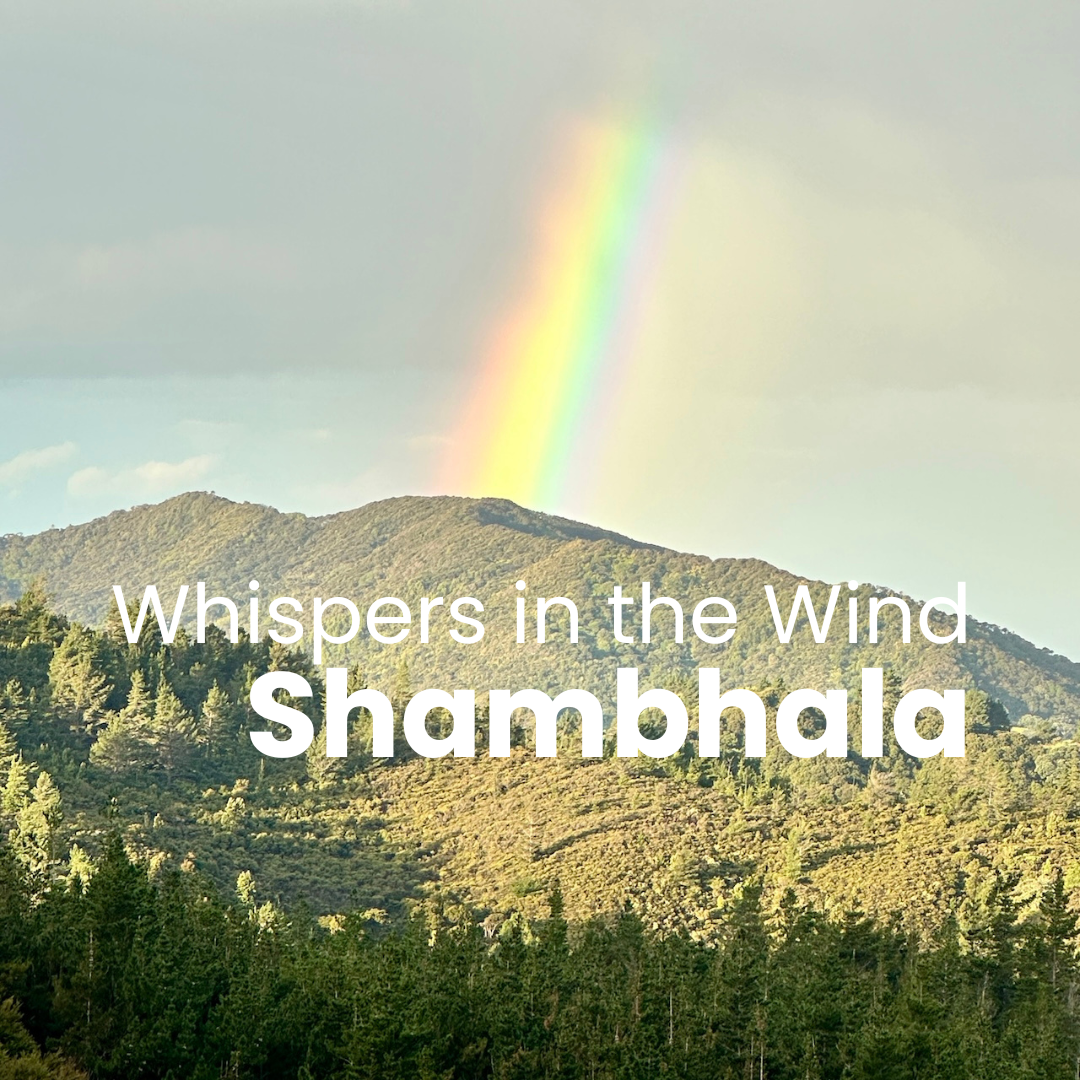
In this post, I reflect on the experience of becoming one with Shambhala, a place of vast contradictions. Embracing those contradictions requires respect, attention and more than a little courage.