The Wild Beauty of Living Off-Grid in New Zealand
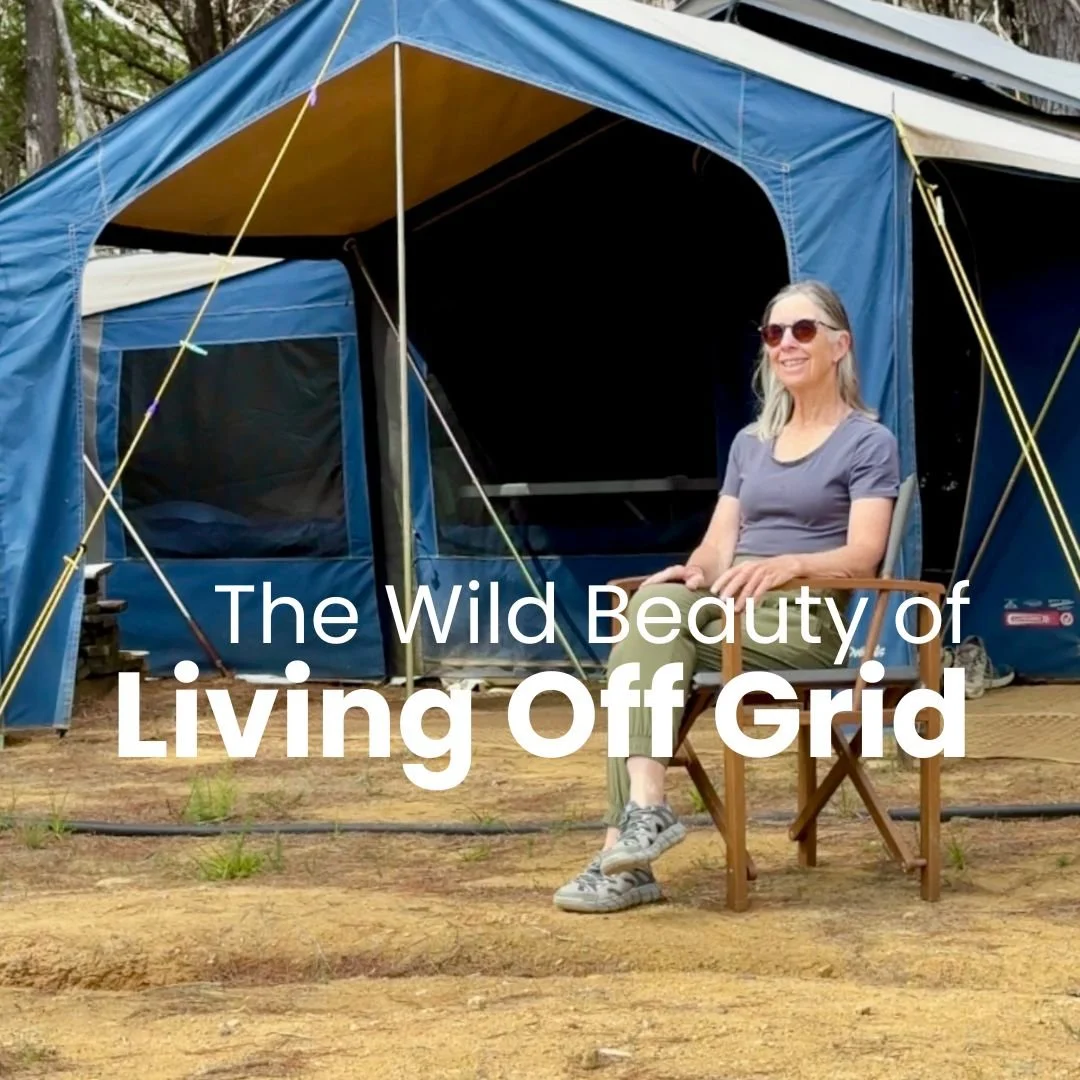
The Beautiful and Slightly Unnerving Reality of Living Off Grid in the New Zealand Bush
A few mornings ago I nearly tripped over a pig.
I had been walking slowly along one of the tracks that winds through the bush at Shambhala when the undergrowth ahead suddenly erupted in movement. A dark shape burst out only a few metres in front of me and tore downhill through the trees before I had time to react.
For a moment I simply stood there, heart racing, trying to process what had just happened.
It wasn’t a tiny piglet either. This one was already half grown, closer to the size of a teenager than a small animal, and it moved through the bush with surprising speed.
Encounters like that tend to make you pause and think about what else might be living out there in the forest.
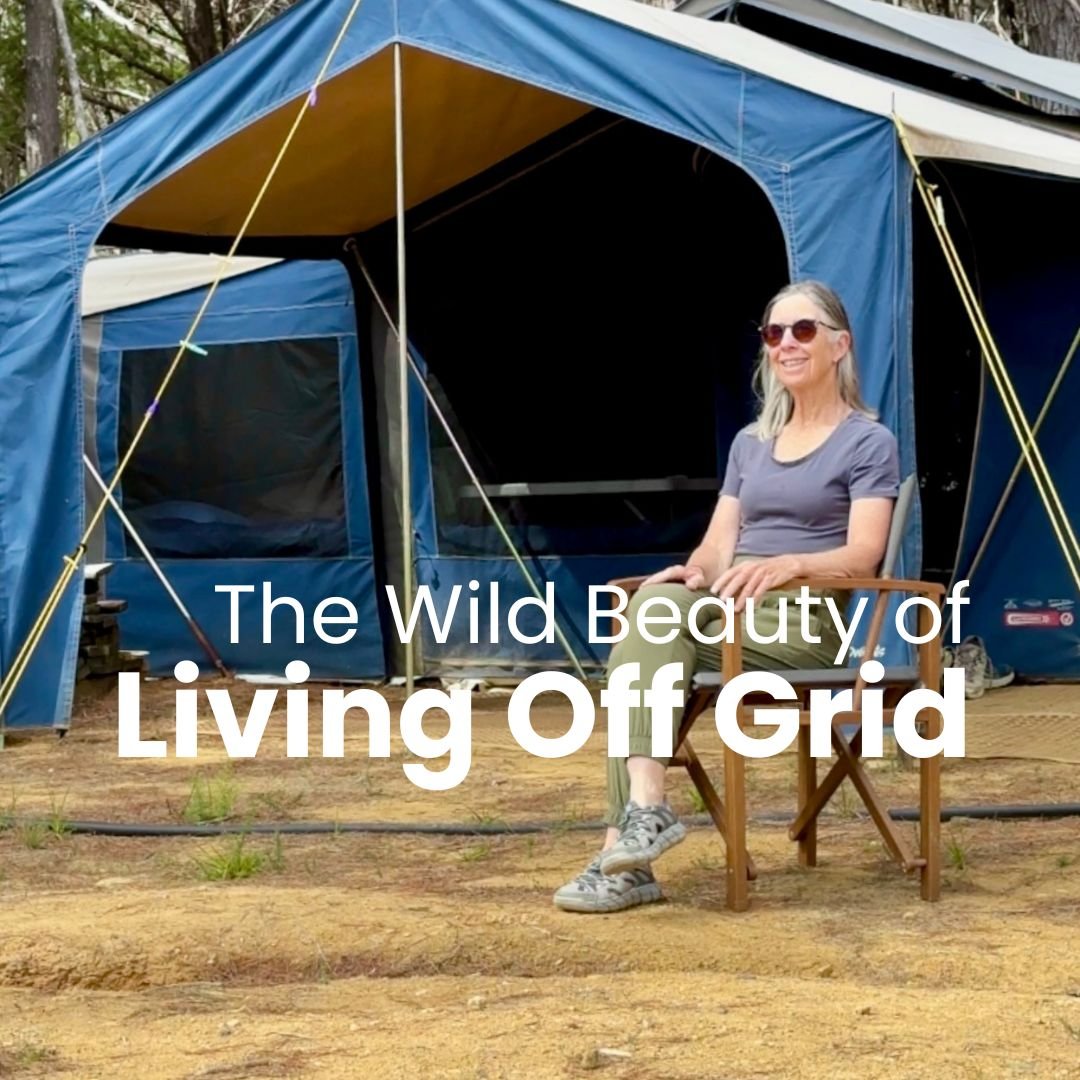
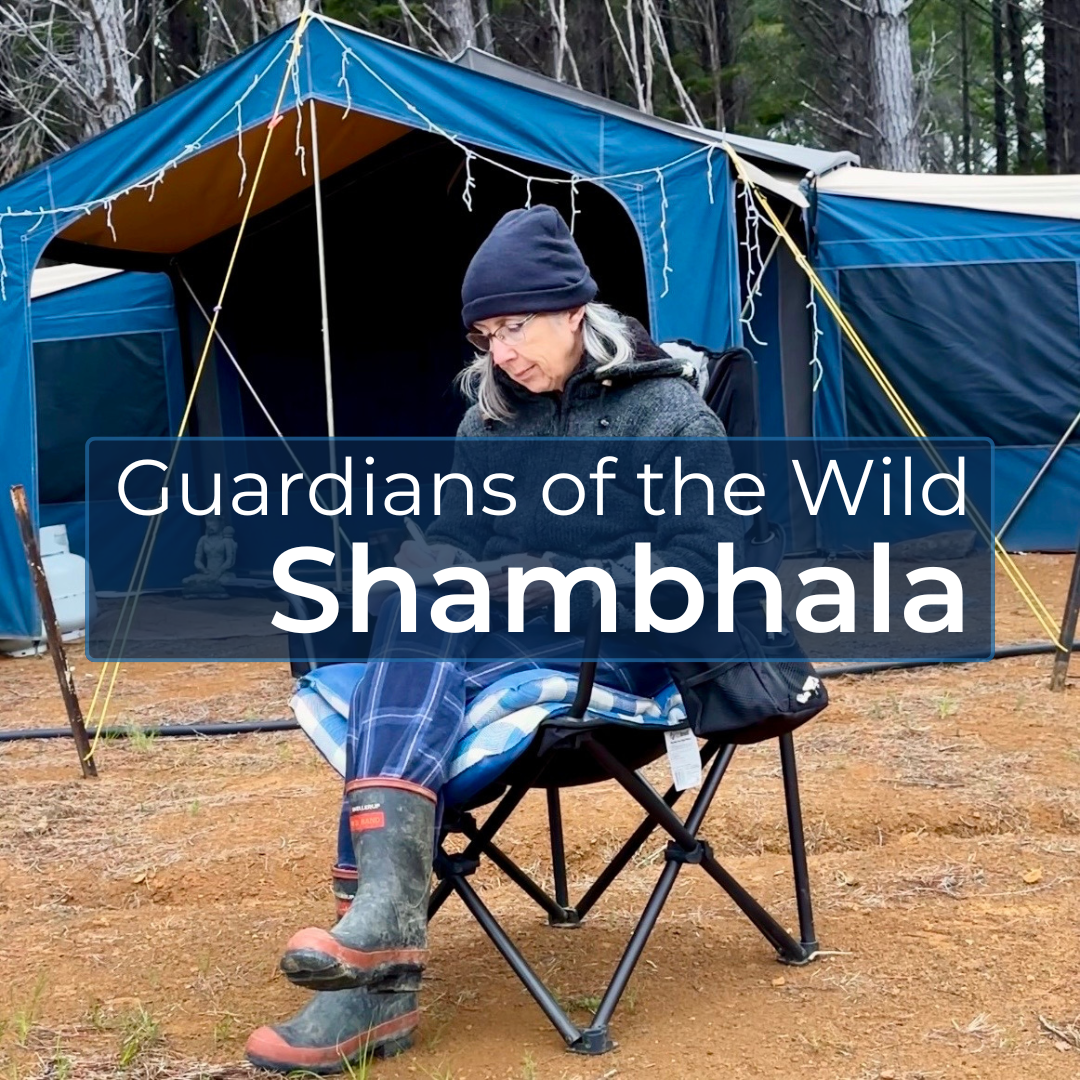
Andrew and I are in the process of building an off grid cabin on our bush block in the Coromandel Peninsula, and for now life is wonderfully simple. A tent tucked among the trees, a small clearing slowly taking shape as the cabin begins to rise, and the steady rhythm of working with the land around us.
It is beautiful in ways that are difficult to describe.
At the same time, living this close to nature has turned out to be far more real and sometimes slightly more confronting than the romantic version people often imagine.
Because when you live in the bush, you are part of everything that lives there.
The Dream of Living Off Grid
When people talk about off grid living in New Zealand, the picture is usually an idyllic one.
Morning mist drifting through native forest. Birds calling high in the canopy. Sunlight filtering through the trees. A quieter, simpler way of living closer to the natural world.
And to be fair, much of the time it really is like that.
The quiet here settles into you in a way that is hard to explain unless you have experienced it. At night the stars are brilliant without the glow of towns and cities, and in the morning the bush wakes slowly as birds begin calling one by one.
But living inside the forest rather than simply visiting it means you notice everything.
Every rustle in the leaves. Every crack of a twig somewhere in the darkness. Every animal moving through the undergrowth.
Sometimes something runs past the tent in the middle of the night and your mind briefly tries to decide what it might be.
The bush has its own rhythms, and when you live here you quickly realise you are only one small part of it.
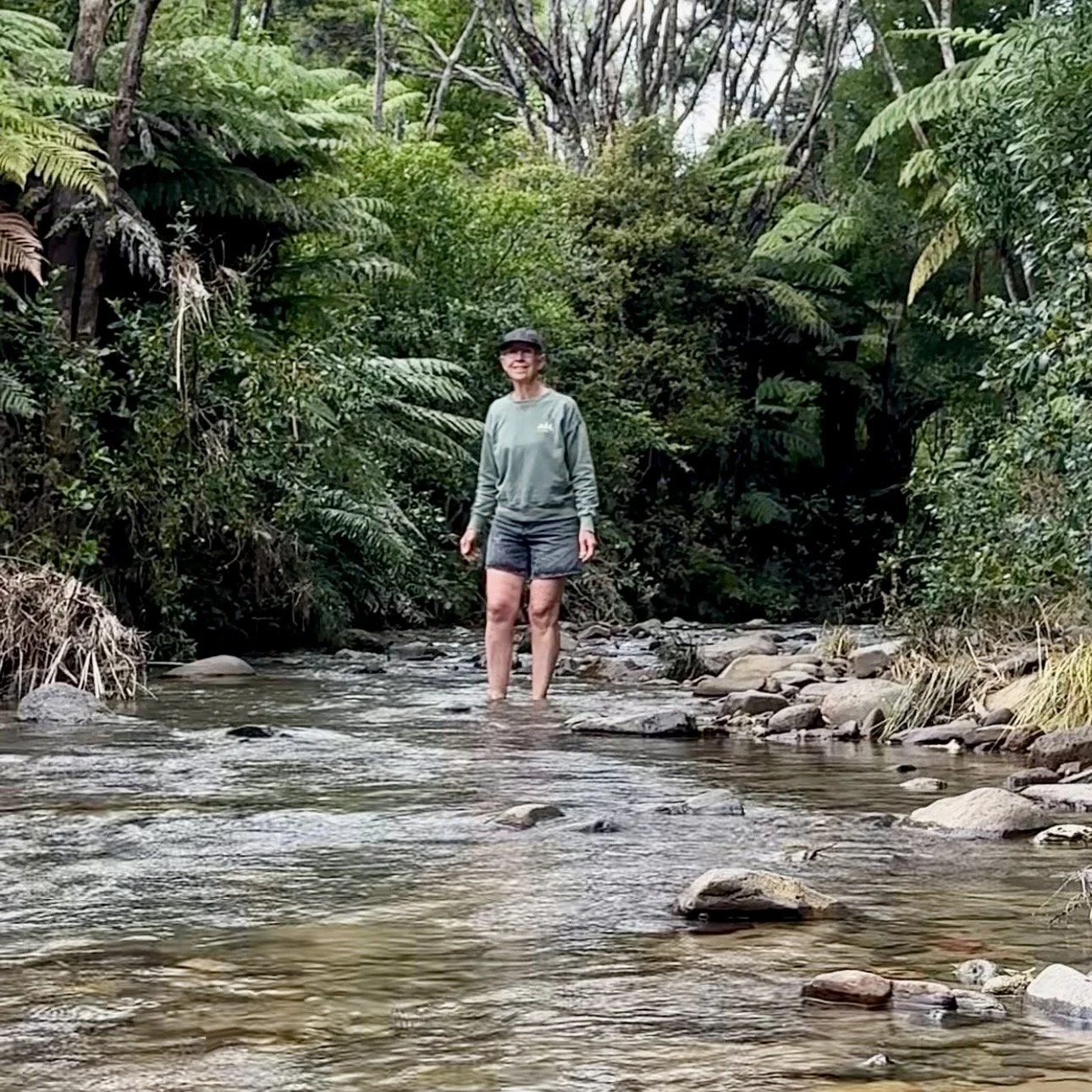
The Possum Reality
One of the first things I noticed after buying this block was the sheer number of possums moving through the forest.
The Common Brushtail Possum was introduced to New Zealand from Australia in the nineteenth century and has since become one of the most destructive pests affecting our native ecosystems. They browse heavily on native trees, stripping leaves, flowers and fruit, and they will also prey on bird eggs and chicks.
In healthy native bush their impact can be devastating.
Over the past year we have been trapping consistently around the property and, somewhat astonishingly, have now removed well over a hundred possums from this small area of forest.
It is not something anyone particularly enjoys doing, but when you live surrounded by native bush you quickly come to understand that protecting it requires active care.

When the Pigs Appeared
The recent pig encounters have added another layer to life in the bush.
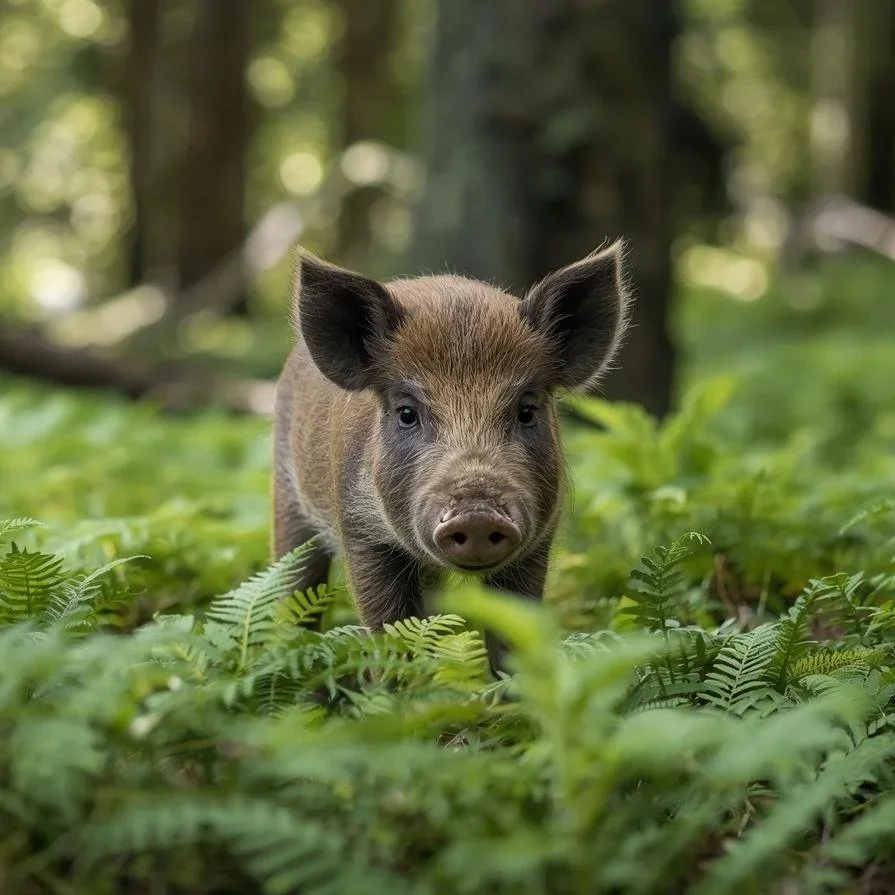
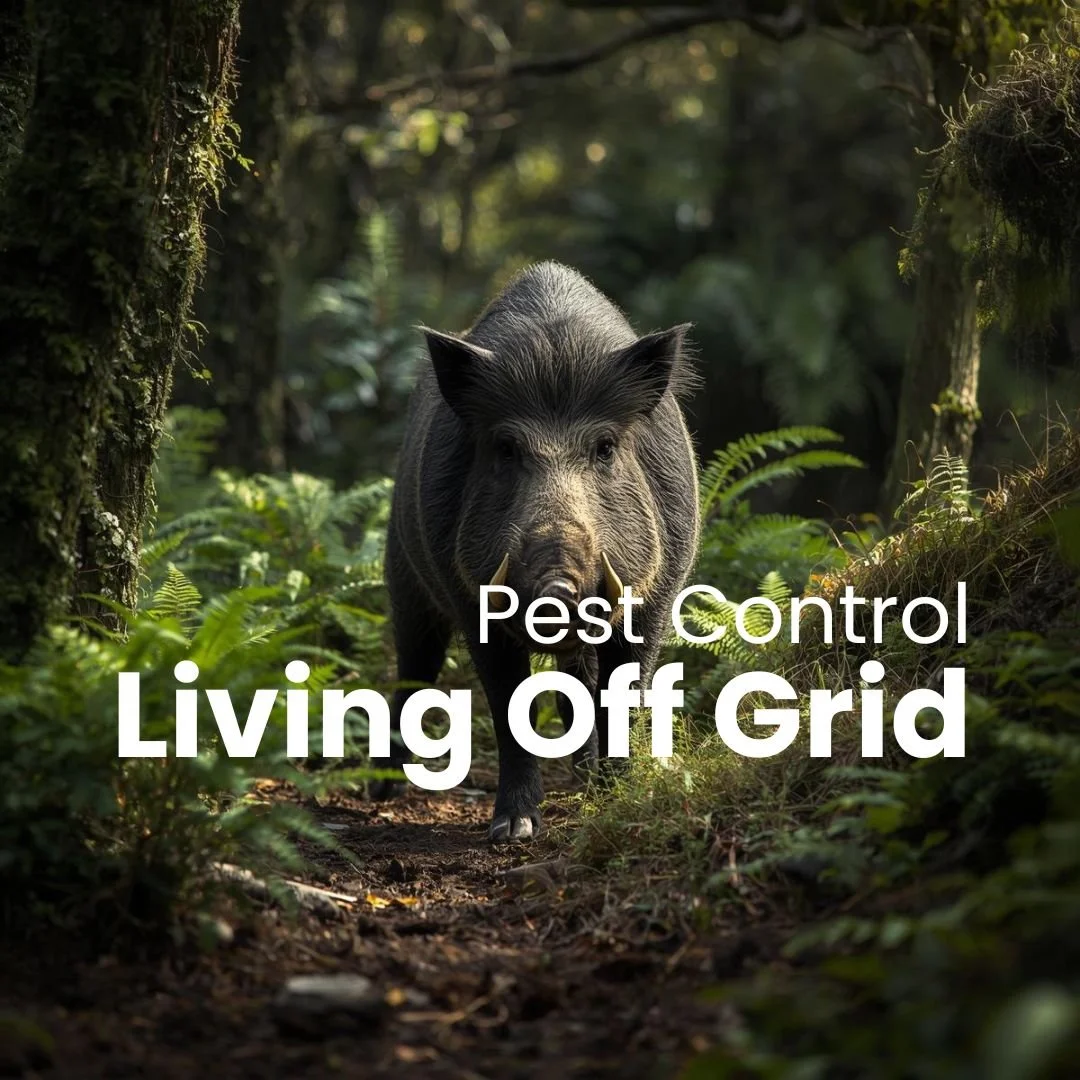
Three times in the past week I have come around a bend in the track or stepped through the trees and startled several young pigs that had been quietly rooting around in the forest floor. Each time the reaction is immediate: a sudden explosion of movement, a startled squeal, and the animals disappearing downhill through the bush with impressive speed.
These are not tiny piglets either. They are already half grown animals with considerable strength, and the fact that there are several of them suggests that there are likely family groups moving through the property.
Wild pigs are, like possums, another introduced species in New Zealand. They originated from domestic pigs that escaped or were released from early farming settlements and gradually established themselves in the wild. Over time they have spread widely through many parts of the country.
Their presence becomes obvious once you start noticing the signs. Sections of forest floor turned over where they have been rooting for food, disturbed soil around tree bases, and narrow tracks weaving through the bush.
Yesterday we brought home a pig trap and will begin attempting to remove them from the block.
Signs of the Boar
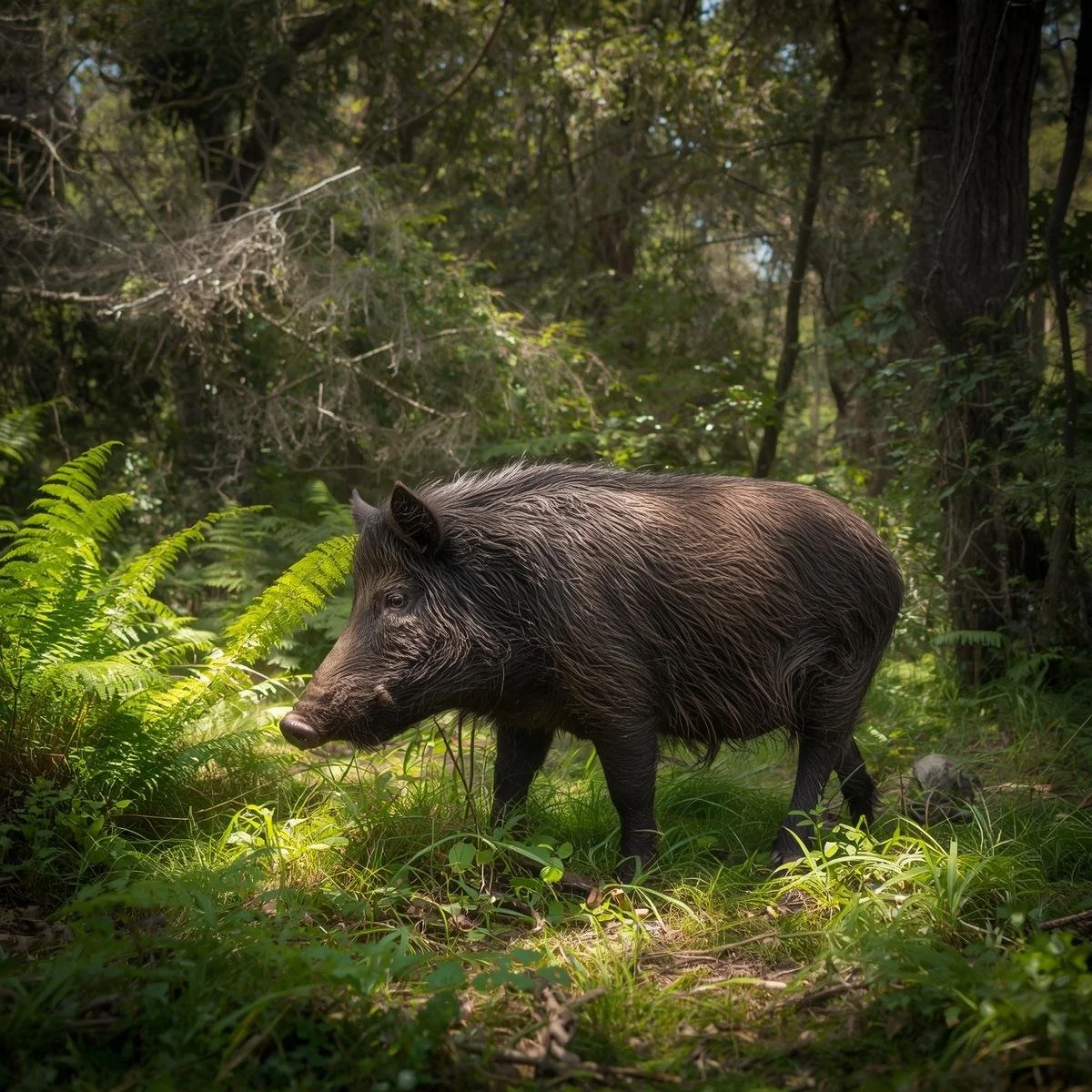
What really captures your attention, however, are the signs left behind by a much larger animal.
So far I have not actually seen the boar that lives somewhere in this area of bush, but there is little doubt that he is there. Occasionally you come across trees where the bark has been scraped away in long vertical marks. These are created when wild pigs rub and sharpen their tusks against the trunks.
Some of these marks are surprisingly high.
High enough that whatever made them was clearly a very large animal.
It is in those moments, standing quietly in the forest and noticing signs like that, that you become acutely aware that you are sharing this landscape with creatures that are far more at home here than you are.
Other Travellers Through the Bush
The pigs are not the only animals that move through this landscape.
From time to time we find signs that a Feral Goat has passed through as well, although so far they have remained mostly unseen.
There are also wild cattle roaming through the surrounding ranges. Like the pigs, these animals ultimately trace their origins back to domestic stock that escaped from farming situations many years ago and gradually established themselves in the bush.
Out here there are very few fences. Large areas of native forest blend into pine plantations and neighbouring bush blocks, creating an enormous connected landscape that stretches across the Coromandel ranges.
The cattle wander freely through it all.
They move quietly along ridgelines and through valleys, travelling from one property to another and covering large distances as they roam through the forest. Occasionally you come across fresh hoof prints in the mud or hear the heavy movement of something large passing slowly through the trees and realise that another traveller has moved through this place not long before you.
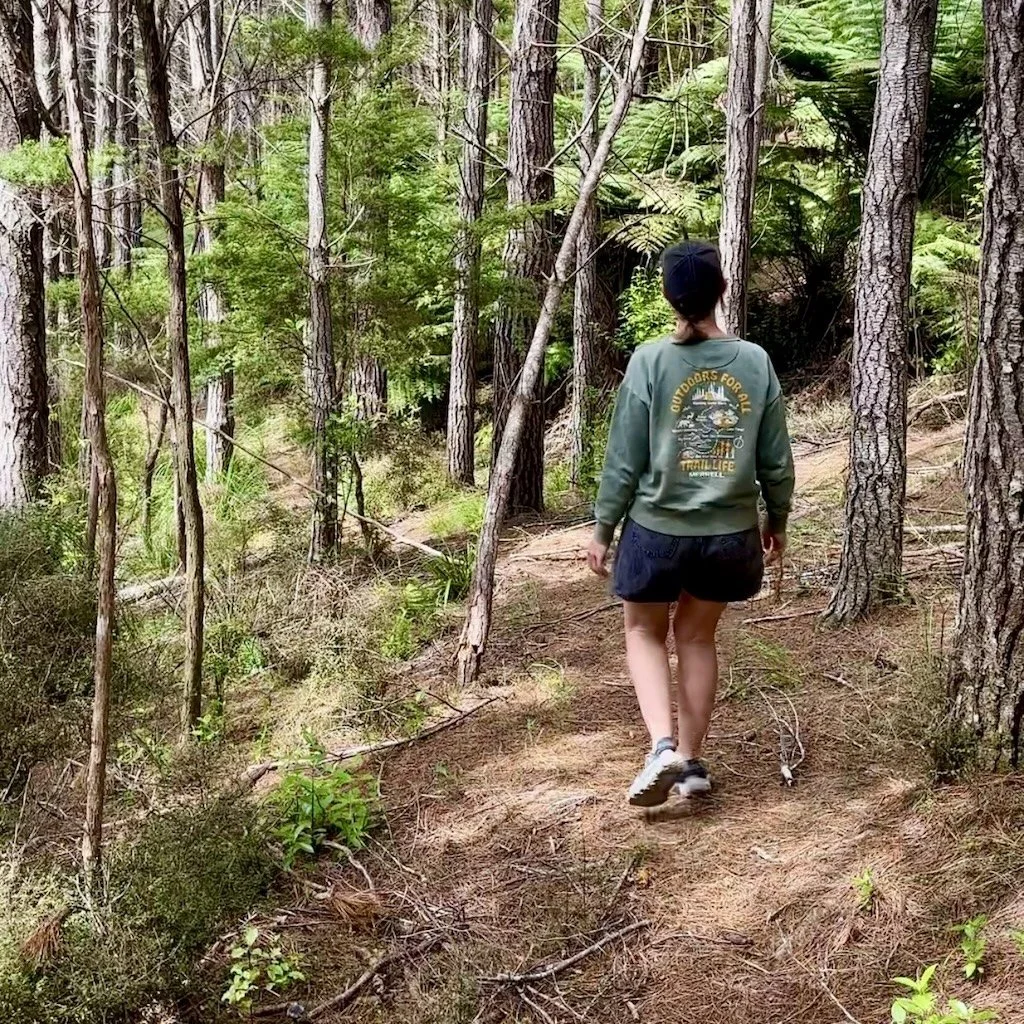
The Night Belongs to the Ruru
As evening settles over the valley, the forest changes again.
Just after the sun disappears behind the hills a family of Morepork begins calling from the trees not far from the tent. There are three young birds and a mother, their distinctive calls echoing through the bush as darkness settles in.
Sometimes they remain hidden high in the canopy, their voices carrying through the night air. At other times one will suddenly appear as a silent shape gliding between the trees, visible only for a moment before disappearing back into the darkness.
Lying in the tent and listening to them calling back and forth across the valley is one of those experiences that reminds you how alive the forest becomes after dark.

The Kākā at Dusk and Dawn
Just before that night shift begins another sound often carries through the trees.
The loud, rasping calls of New Zealand Kākā.
Several of these remarkable native parrots live somewhere in this area of forest and they tend to make their presence known most clearly at dusk and again at first light. Their calls echo across the valley as they move between the trees before vanishing again into the bush.
During the day they are rarely heard.
But those brief moments in the early morning and evening are enough to remind you that this forest still supports some extraordinary native life.

Living With the Reality of the Bush
Experiences like these gradually change the way you see the landscape around you.
It is easy to imagine nature as peaceful and gentle when you are visiting it for a few hours, but living within it reveals something far richer and more complex. The bush is constantly moving and changing, filled with animals that remain mostly unseen but leave signs of their presence everywhere.
Tracks appear in the mud. The forest floor is disturbed by rooting pigs. Possums move through the canopy at night.
And alongside that activity are the native birds that belong here and depend on the health of this ecosystem.
It becomes impossible to ignore the fact that introduced animals such as the Common Brushtail Possum and Wild Boar place enormous pressure on these fragile environments. Without ongoing control their impact can quickly overwhelm the forest.
Living here makes that reality very clear.
A Moment at the End of the Day
One evening recently I was sitting quietly outside the tent as the light faded from the valley.
The bush was settling into that brief moment of stillness that comes just before night fully arrives. Somewhere down the slope a branch cracked, perhaps from a pig moving through the undergrowth. In the distance a kākā called across the valley before disappearing into the trees.
Then, as darkness settled over the forest, the first ruru call echoed through the bush.
In that moment the whole landscape seemed to come alive at once, birds in the canopy, animals moving unseen through the forest floor, the night gradually taking hold of the valley.
Living here means sharing this place with all of it.
It is not always comfortable, and it is certainly not always the romantic version of nature people imagine. But it is deeply real, and slowly, piece by piece, we are finding our place within it as Shambhala begins to take shape in the Coromandel bush.
I’d love to hear from you! 🌿
Have you ever spent time living closer to nature, or had a moment in the wild that stayed with you?
Share your experiences, thoughts, or even questions in the comments below, I read every single one and can’t wait to hear your story.
If you’d like to explore how these experiences can translate into personal growth, check out my coaching article here.
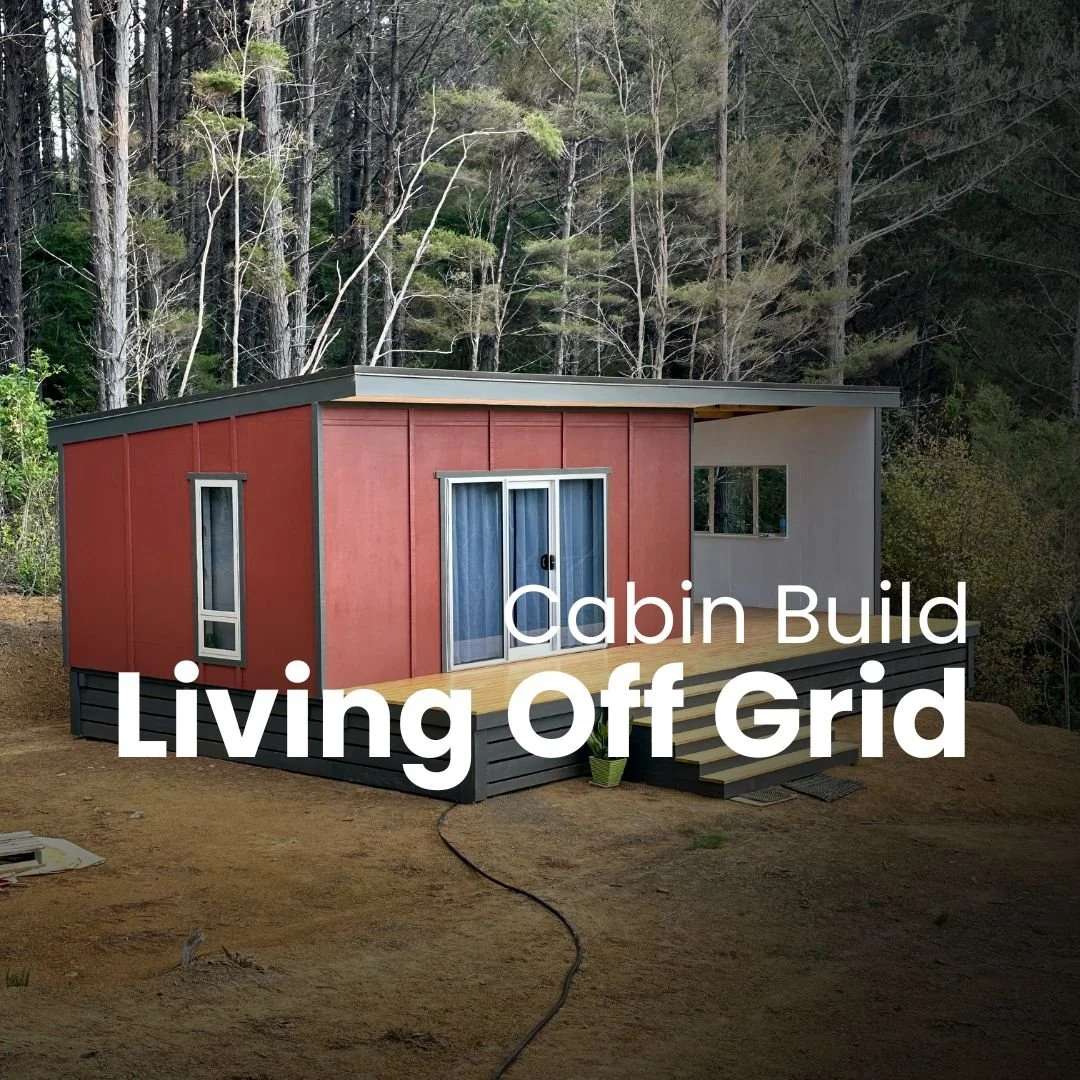
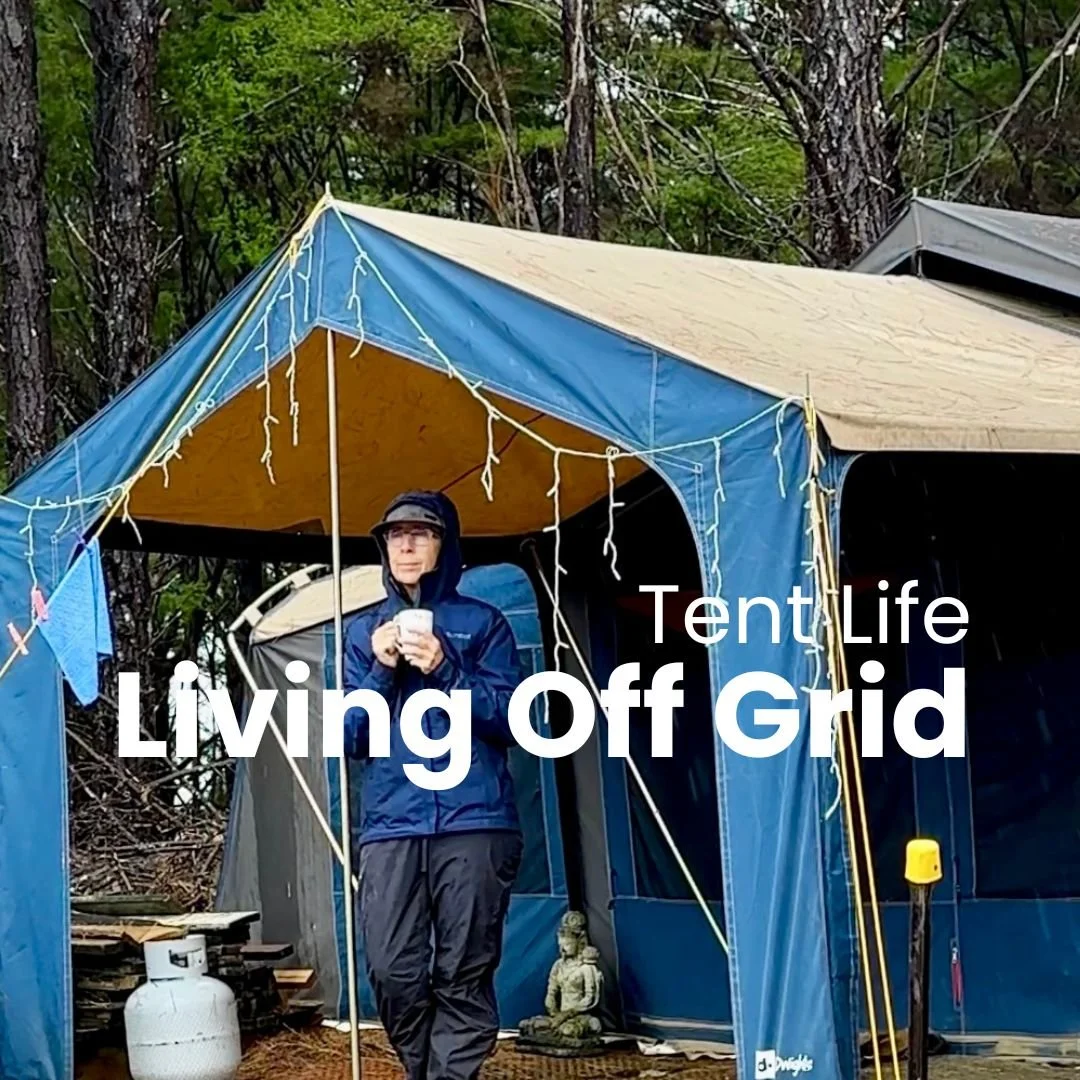
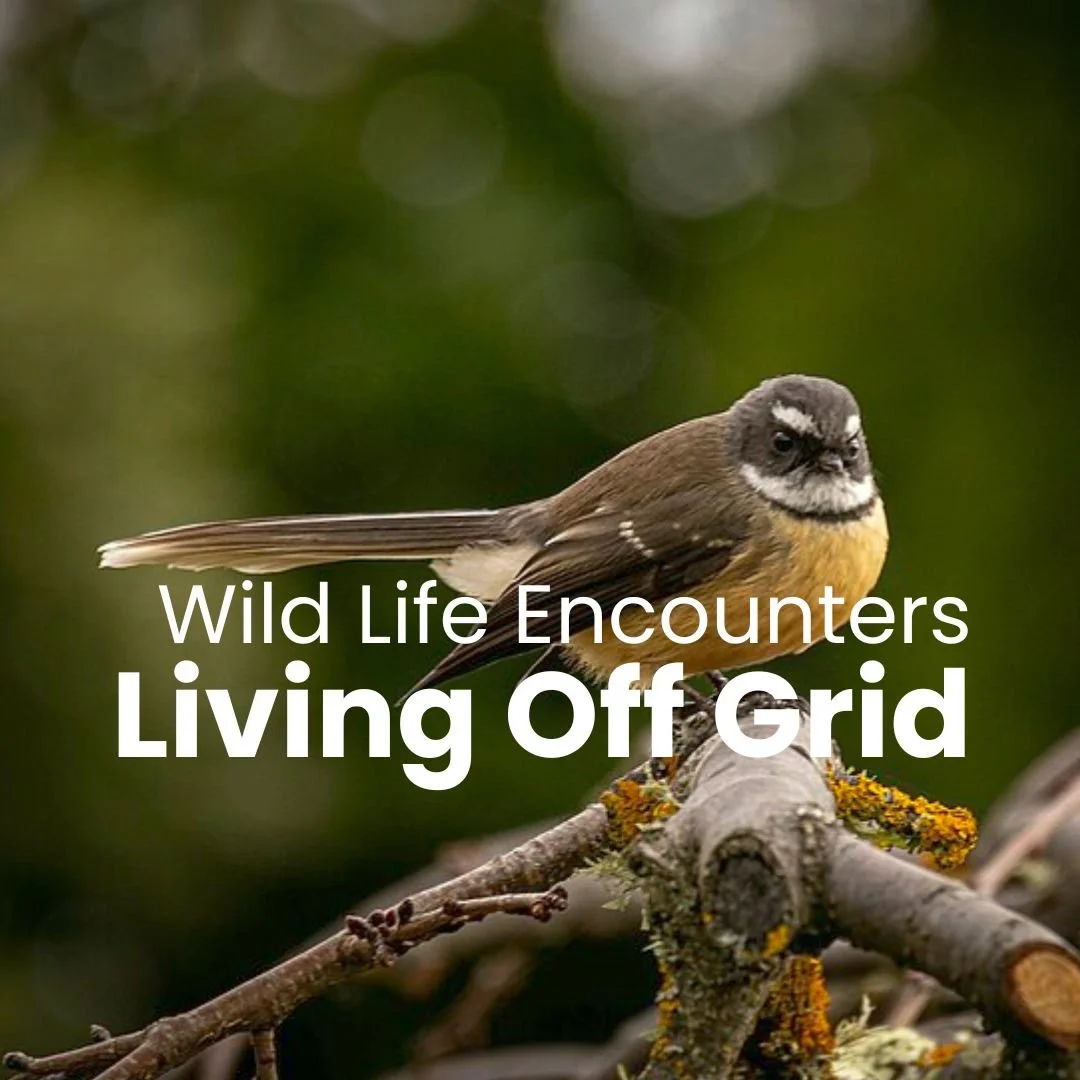
Living in a tent in the Coromandel bush while we build our off-grid cabin provides us with lessons in patience, resilience and humility.
Life here is immersive: you wake with the forest, sleep with the forest, and learn to navigate a world where humans are guests rather than masters.
In this post, I reflect on the experience of becoming one with Shambhala, a place of vast contradictions. Embracing those contradictions requires respect, attention and more than a little courage.