Pest Control in the New Zealand Bush – Living at Shambhala
Living off-grid at Shambhala in the Coromandel bush is both deeply rewarding and sometimes unnerving.
Every day brings moments of wonder: mist rising through native forest, birds calling across the canopy, and the quiet, star-filled nights that only come when city lights are far behind you. But alongside this beauty is a very real, very practical challenge: introduced pests that roam freely through the bush, shaping the ecosystem in ways we are learning to manage.
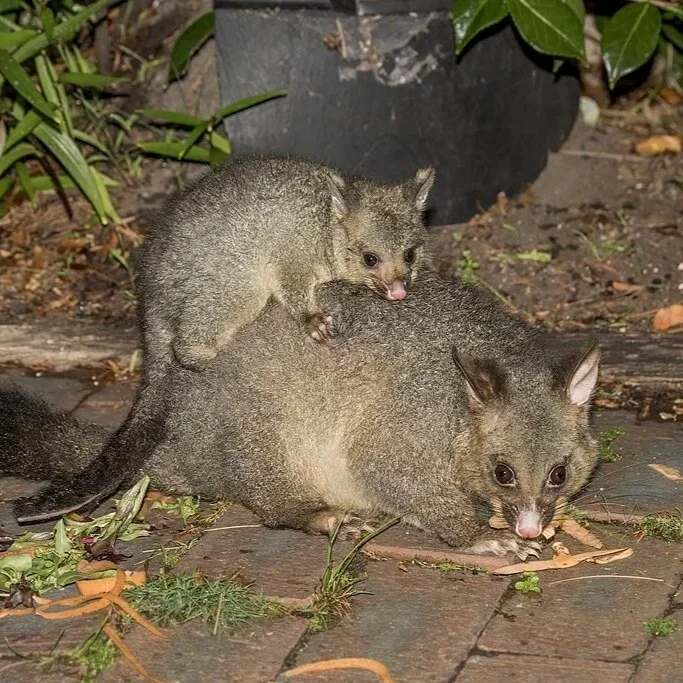
For over a year, we’ve been carefully managing possums on our property. The Common Brushtail Possum was introduced to New Zealand from Australia in the 1800s, and in the absence of predators, it has flourished in our forests. Possums are notorious for stripping leaves, flowers, and fruit from native trees, and they will even eat bird eggs and chicks.
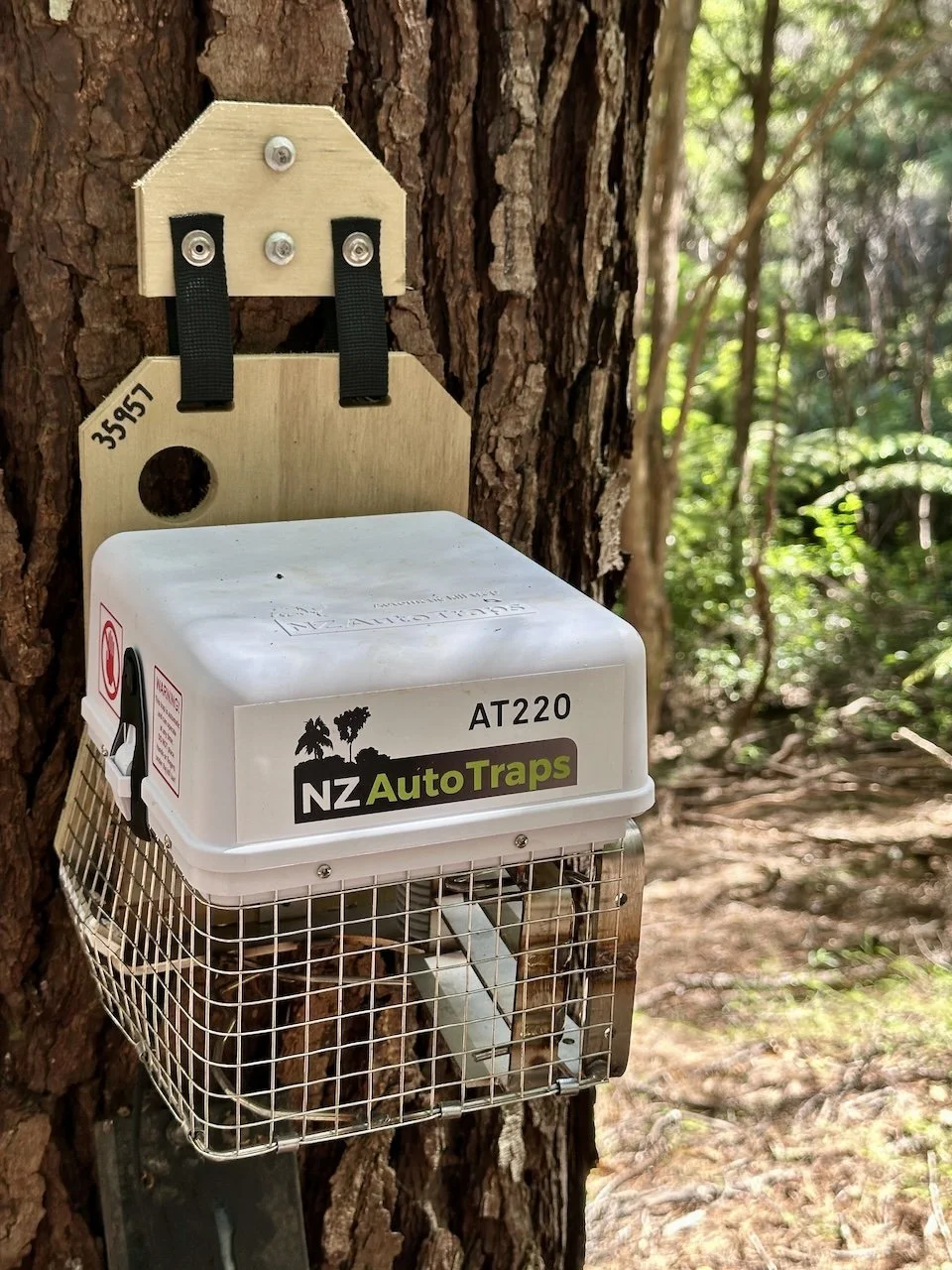
Watching them in the night canopy is fascinating, but understanding the damage they do makes it clear why active control is essential. Over the past year, our traps have removed well over 100 possums from Shambhala. Each one is a small step toward protecting the forest, but the work is ongoing.
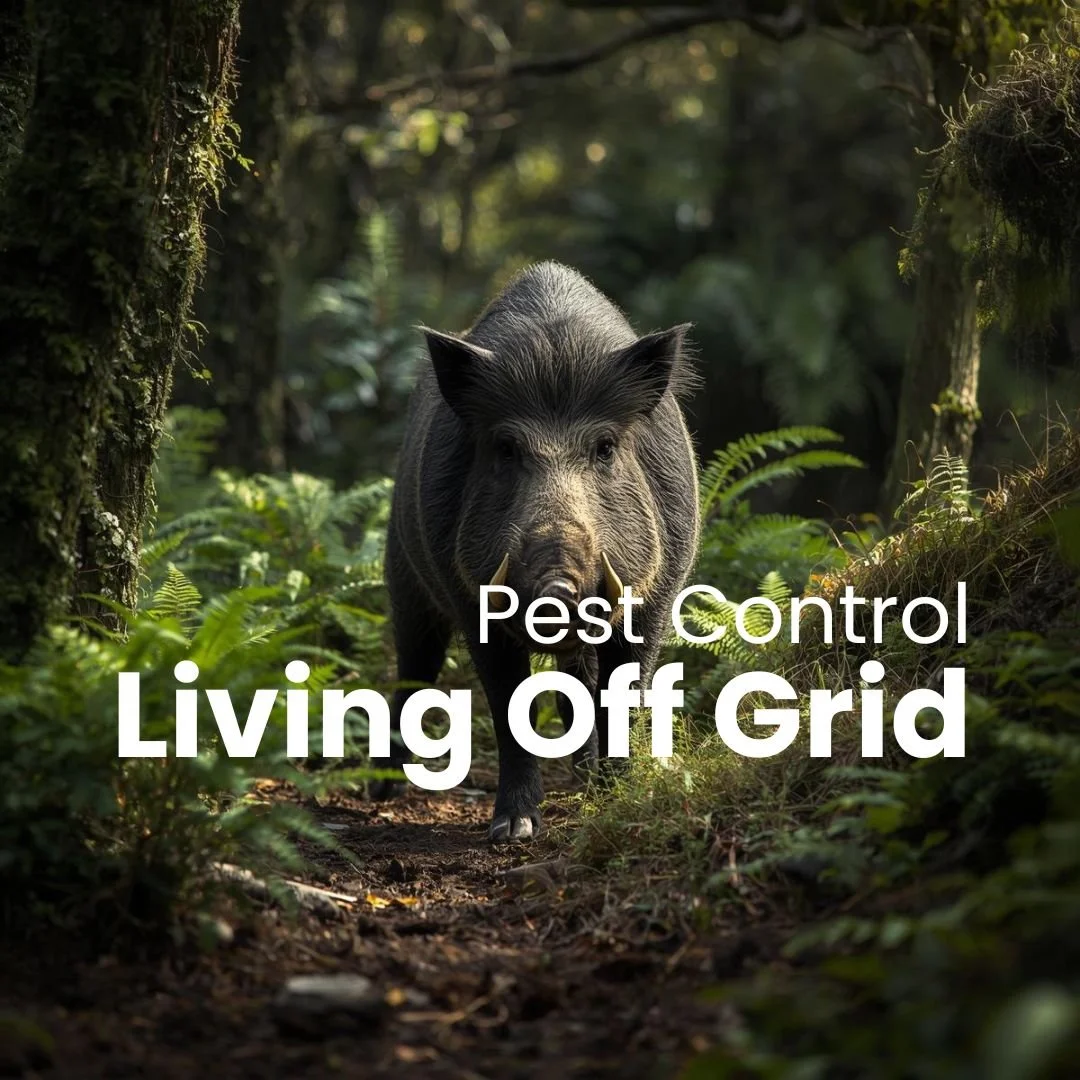
Wild pigs are another presence that keeps life at Shambhala interesting and occasionally alarming. Half-grown pigs dart across the tracks, their movement swift and unexpected. The evidence of larger boar is everywhere: trees scraped with long vertical marks where their tusks have been sharpened.
These animals, too, are introduced, descendants of domestic pigs that escaped or were released from early farming settlements. They root through the soil, tearing up native plants and undergrowth, creating disturbances that affect the entire ecosystem. A pig trap now sits ready on the property, and setting it will be another step in managing the delicate balance of our block.
The pigs are only part of the picture. From time to time, we find signs that Feral Goat have moved through, their tracks light but unmistakable. And then there are the wild cattle, descendants of escaped farm stock, wandering kilometres across the connected bush and pine plantations that stretch between properties in the Coromandel ranges. These cattle move quietly through valleys and ridgelines, often unseen but always present, reminding us that the forest is shared territory.
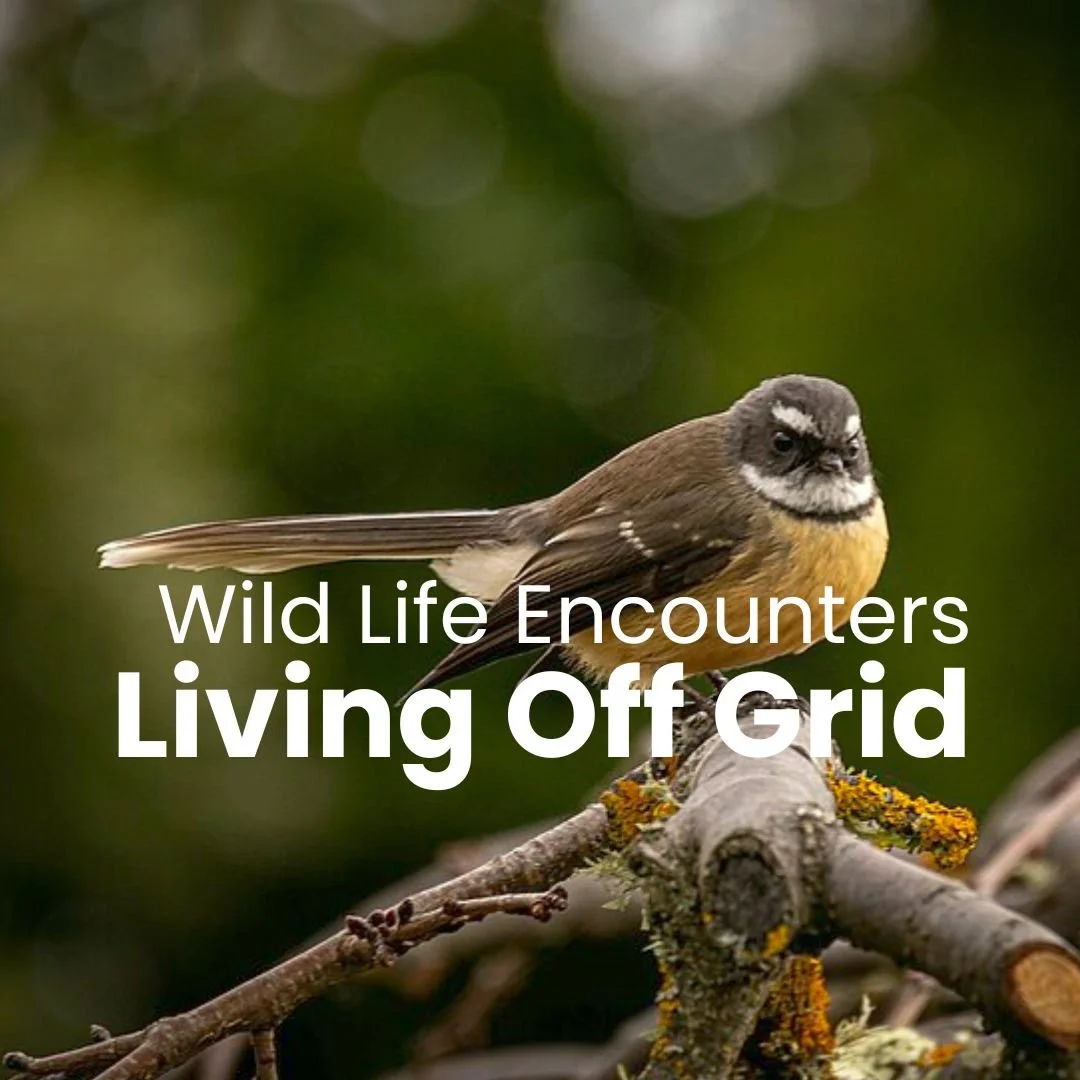
Managing these introduced species isn’t just about protecting our property. It’s about safeguarding native wildlife, from ruru families calling at dusk to kākā moving through the canopy at dawn. Every trap set, every pig removed, and every possum monitored helps maintain a space where native species can thrive.

We’ve learned that pest control requires patience, persistence, and a deep respect for the forest. You can’t simply fight nature, you have to work with it, understanding its rhythms, observing signs, and adjusting strategies.
The practical realities of pest management also come with physical and emotional lessons. Walking the tracks at dawn or dusk, you see the signs of movement everywhere. Soil turned over by pigs, fallen leaves disturbed by possums, hoof prints from wild cattle and goats, even broken branches from animals moving through the canopy.
It’s a forest alive in ways you can feel in your bones. Each sign tells a story. Some are thrilling as in spotting a young ruru slipping silently through the trees at dusk while others are sobering, like the extensive damage to native trees caused by possum browsing.
We’ve also come to understand the balance between intervention and observation. While traps and active management are critical, much of pest control is about learning the land and letting it teach you. You watch patterns, anticipate movement, and decide when and where to act. Every week brings small victories, but the forest always has the final word.
Yet there is beauty in these challenges. Being responsible for pest management deepens your connection to the environment.
You notice subtleties: how the birds respond to clearing a tree of possum damage, how the undergrowth recovers after pigs have moved on, how the cattle wander quietly and seem to avoid the areas where human activity is concentrated. The forest is resilient, and working with it rather than against it has been one of the most rewarding aspects of off-grid living.
Living at Shambhala has changed the way we experience New Zealand bush. It’s not a backdrop for weekend adventures rather it’s a complex ecosystem, shared by native species and introduced ones alike. Protecting it requires constant observation, respect, and hands-on action. And in the moments when the sun falls over the ridgelines, ruru calls echo through the trees, and kākā chatter fills the canopy, all the effort feels profoundly worthwhile.
I’d love to hear your thoughts. 🌿
Have you ever encountered wildlife while living or travelling in nature? Or have you seen the impact of introduced species on local environments?
Share your experiences or reflections in the comments below, I’d really enjoy hearing your stories.

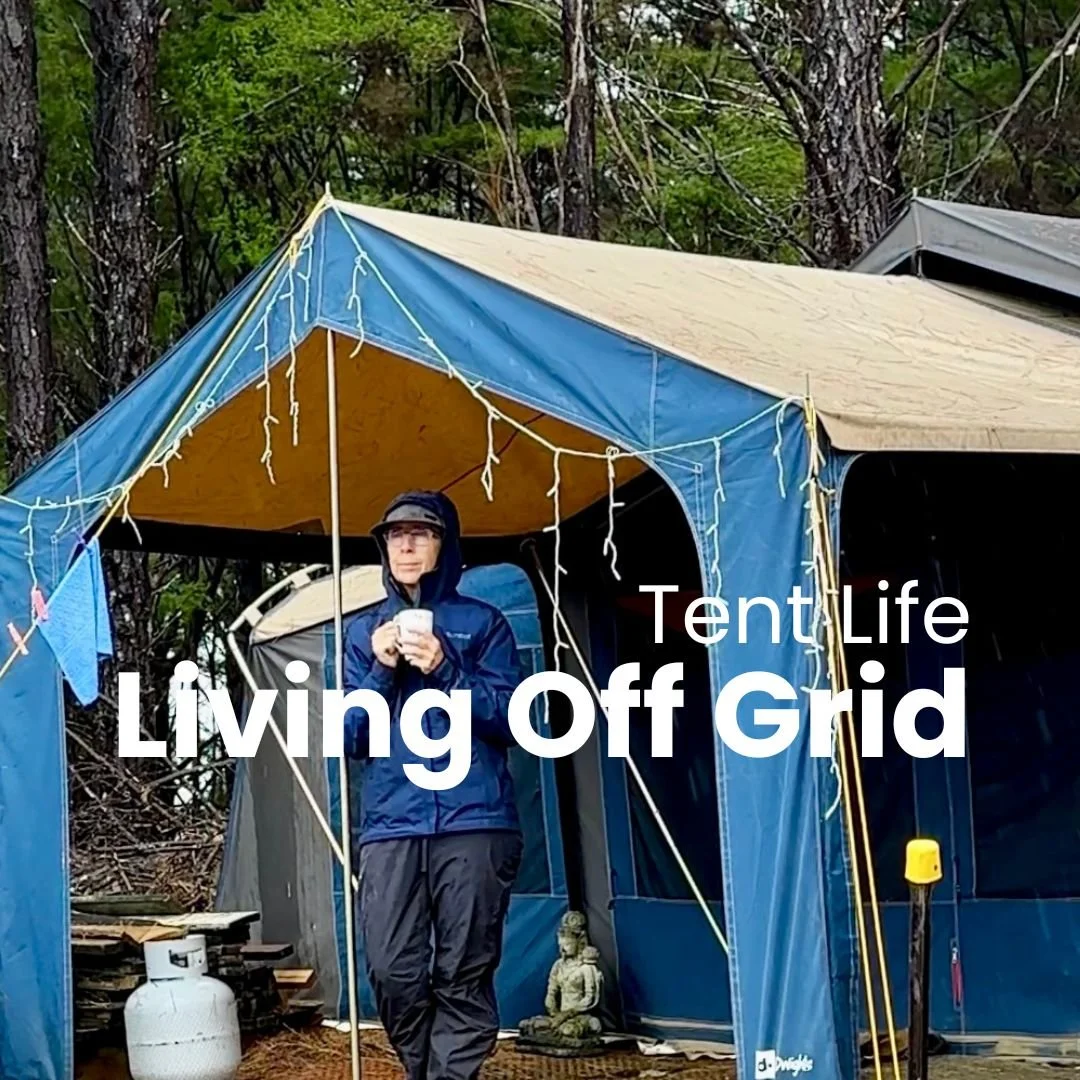
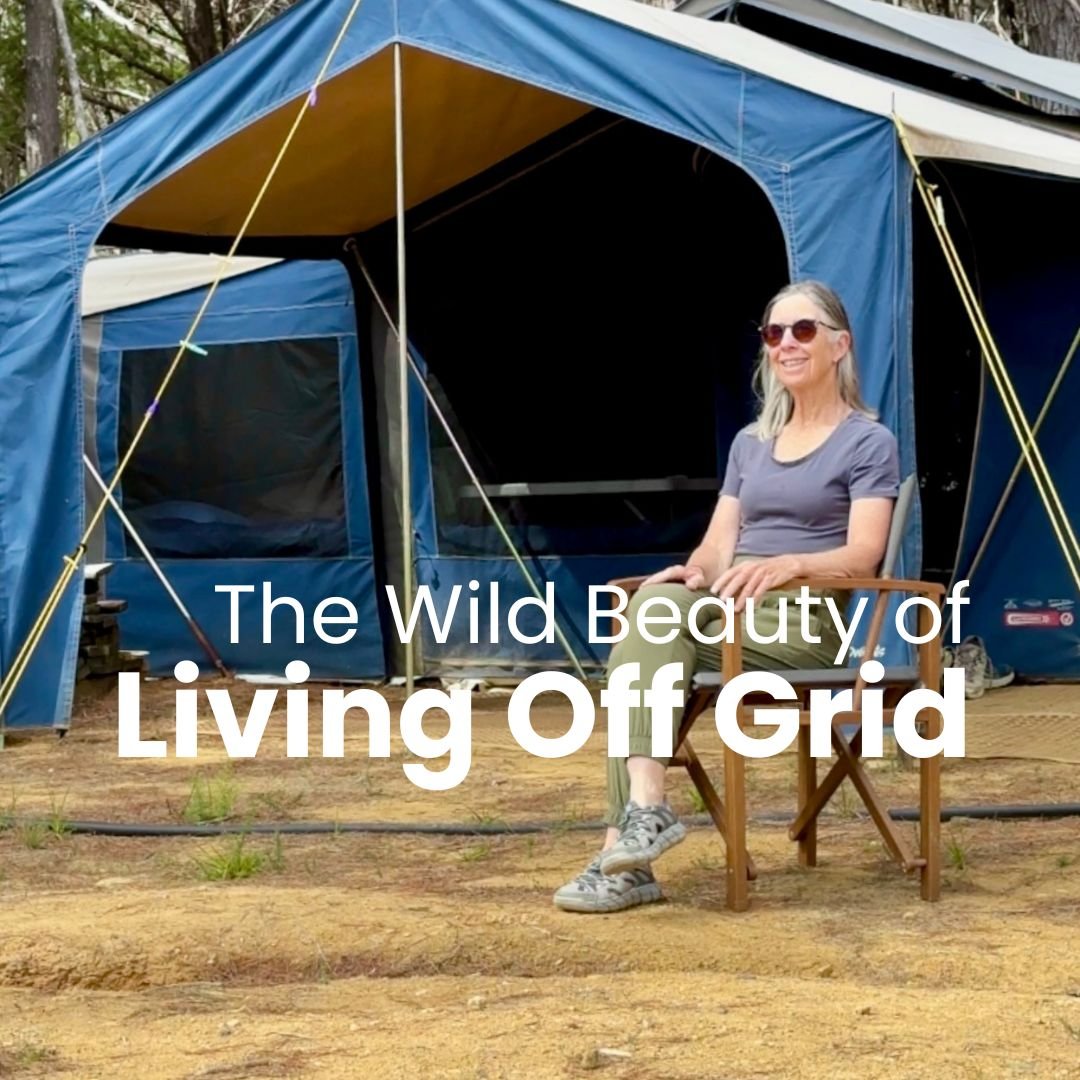
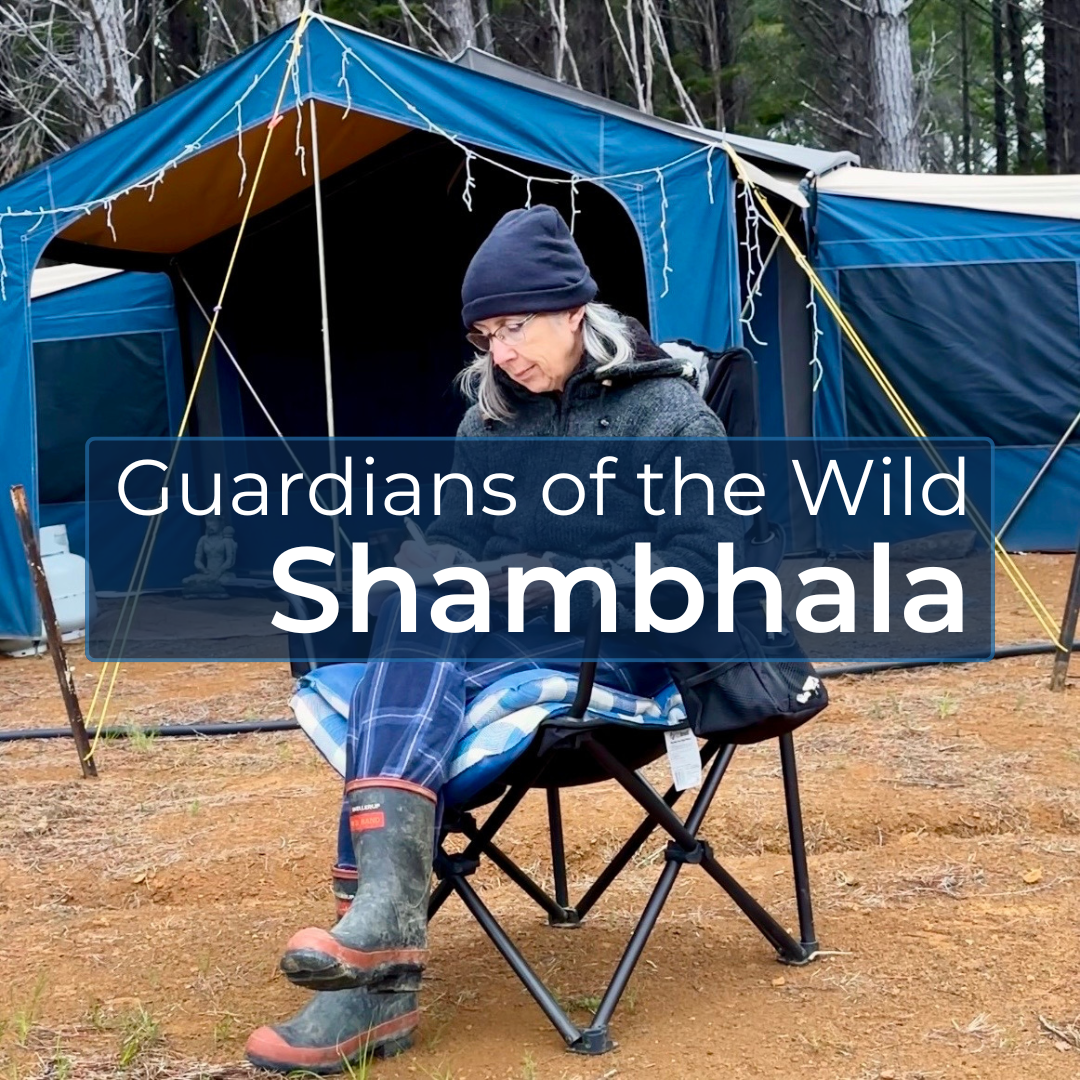

Living in a tent in the Coromandel bush while we build our off-grid cabin provides us with lessons in patience, resilience and humility.
Life here is immersive: you wake with the forest, sleep with the forest, and learn to navigate a world where humans are guests rather than masters.
In this post, I reflect on the experience of becoming one with Shambhala, a place of vast contradictions. Embracing those contradictions requires respect, attention and more than a little courage.