Tent Life in the Coromandel Bush – Daily Life at Shambhala
Living in a tent at Shambhala is a mixture of simplicity, immersion, and unpredictability.
Without the cabin yet finished, the tent is our shelter, our base, and our window into the daily rhythm of the forest.
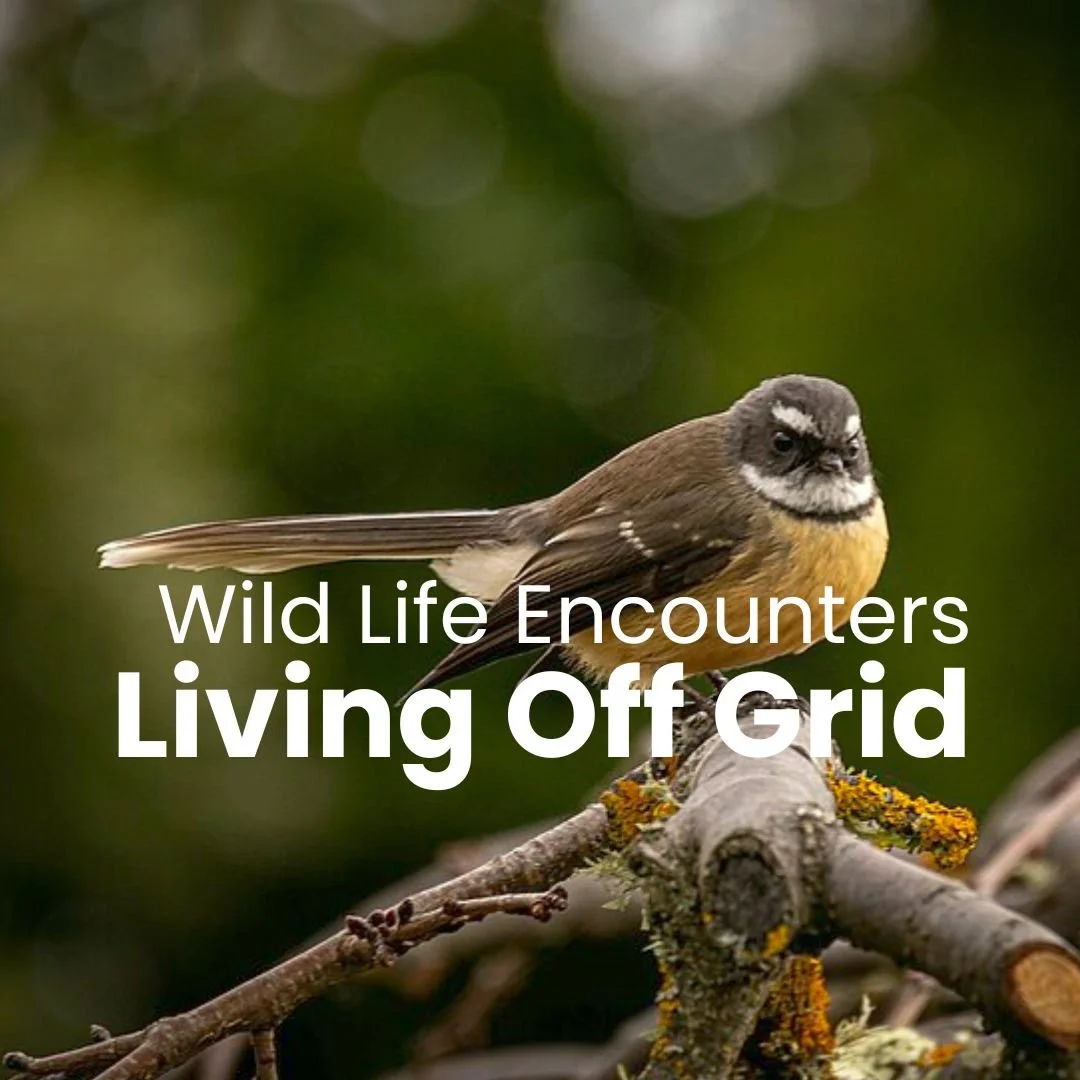
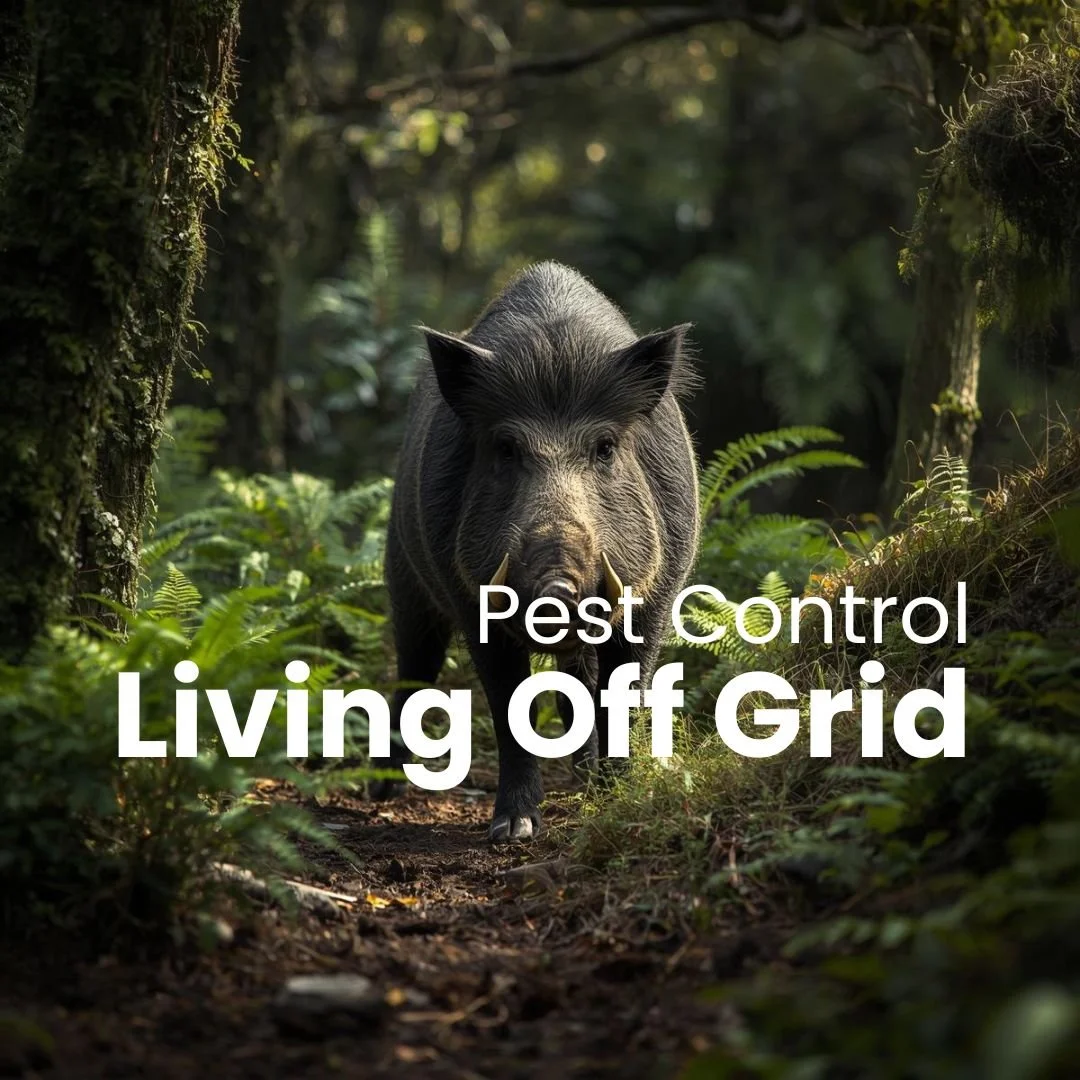
Early mornings begin with the sounds of the bush. Kākā calling across the canopy, possums rustling above and the distant movements of wild pigs. Stepping out of the tent onto the forest floor, you notice every detail: dew-soaked leaves, footprints in the mud, the scent of pine mingled with native foliage. There’s no separation between you and the environment; you are part of the forest, not just an observer.
Daily life requires a balance of comfort and vigilance. Cooking is done carefully over a small stove, water is carried and boiled, and traps are checked and maintained. Even small tasks become meditative when done amidst towering trees and bird calls. Yet the forest keeps you alert, a sudden rustle might be a young pig, a possum, or the subtle sign of a wild goat moving through the undergrowth.
Despite the challenges, tent life offers profound rewards. Sitting quietly at dusk, listening to ruru and kākā, watching the sun set behind the Coromandel ranges, you feel deeply connected to the land. You also learn patience as you can’t control everything here, only your own actions and your relationship with the forest.
Tent life teaches humility, grounding, and a raw appreciation for the rhythms of nature.
Living in a tent in the bush certainly brings you closer to nature in ways you don’t expect. ⛺🌿
Have you ever spent time camping or living simply in nature? What did you learn from the experience? Share your thoughts in the comments, I’d love to hear your stories.
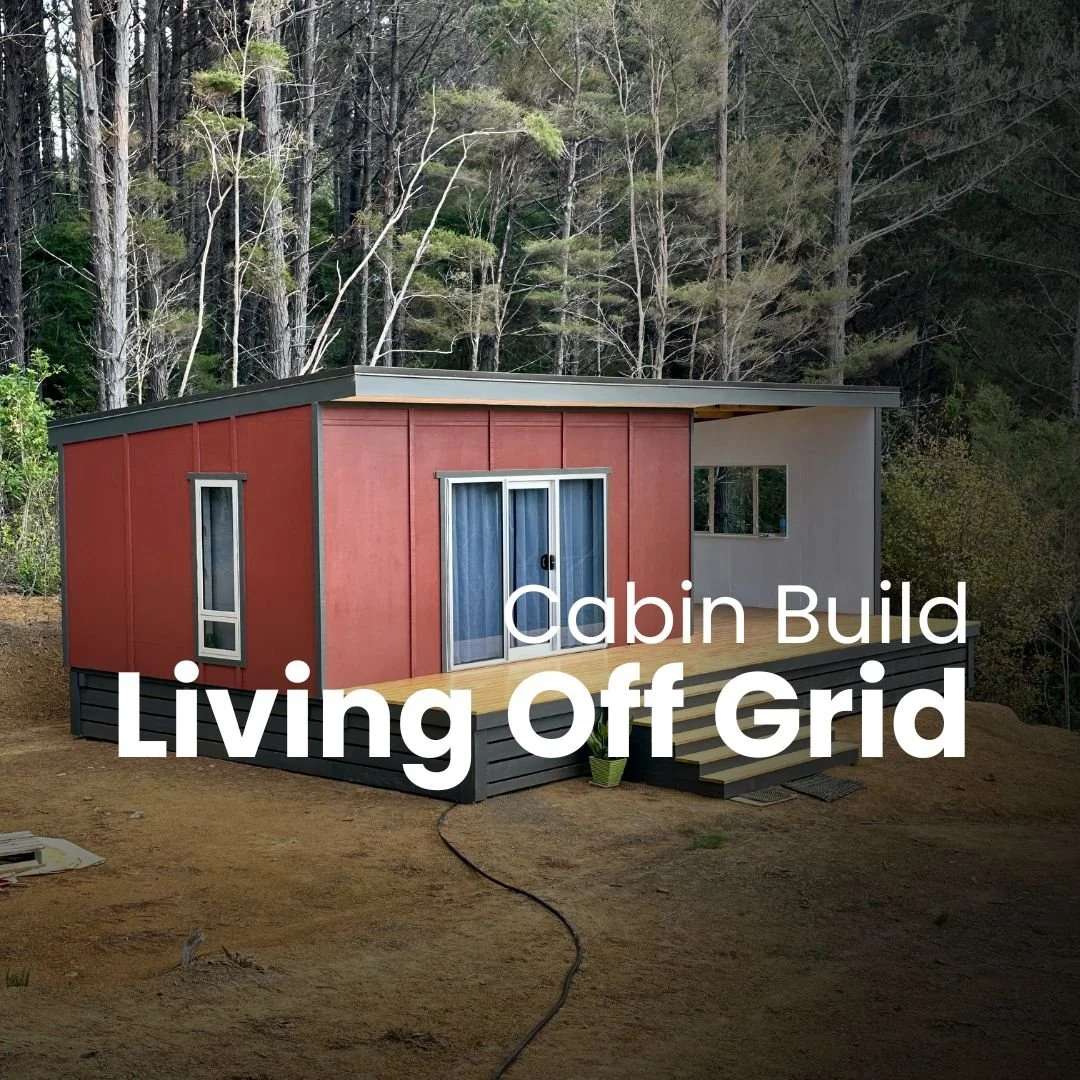
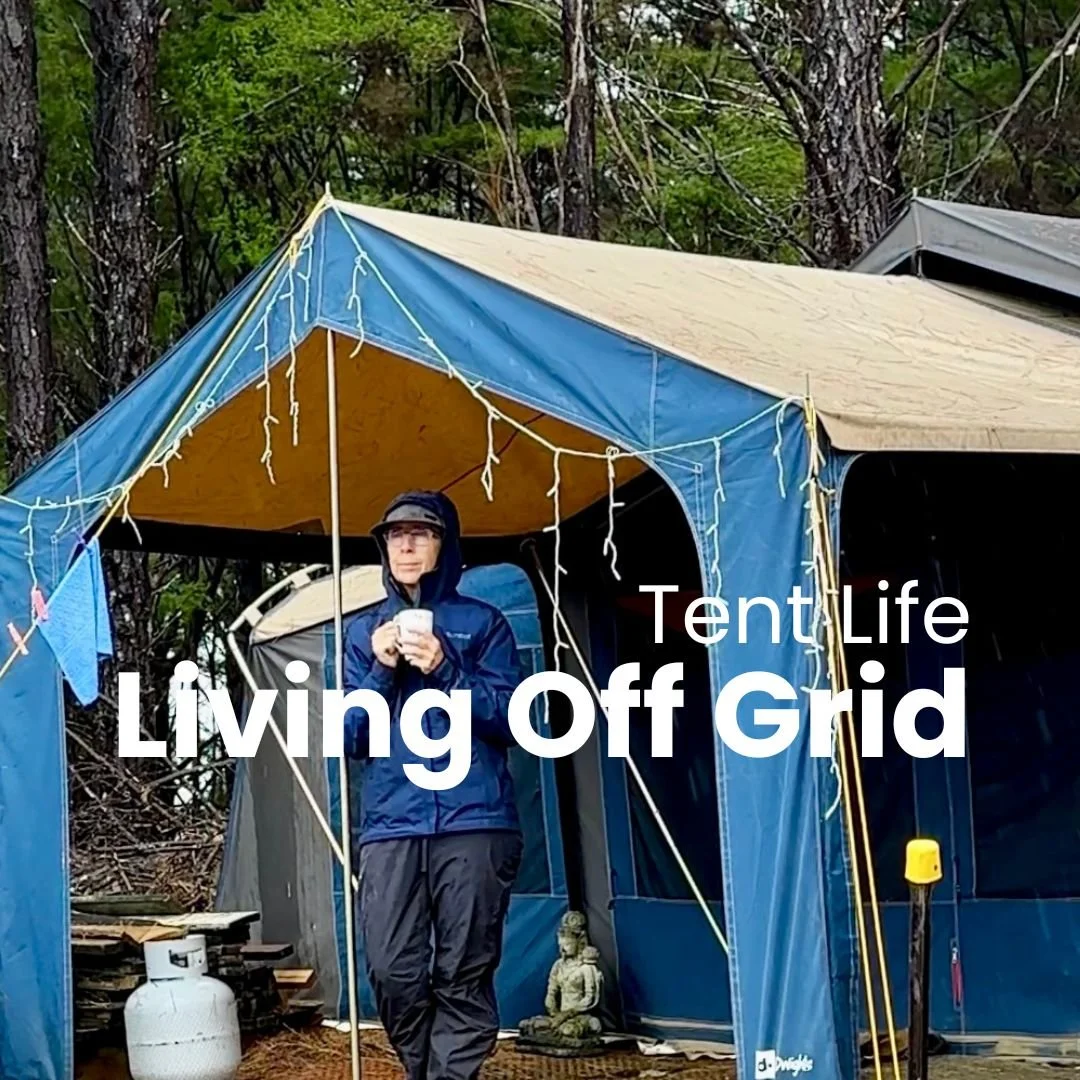
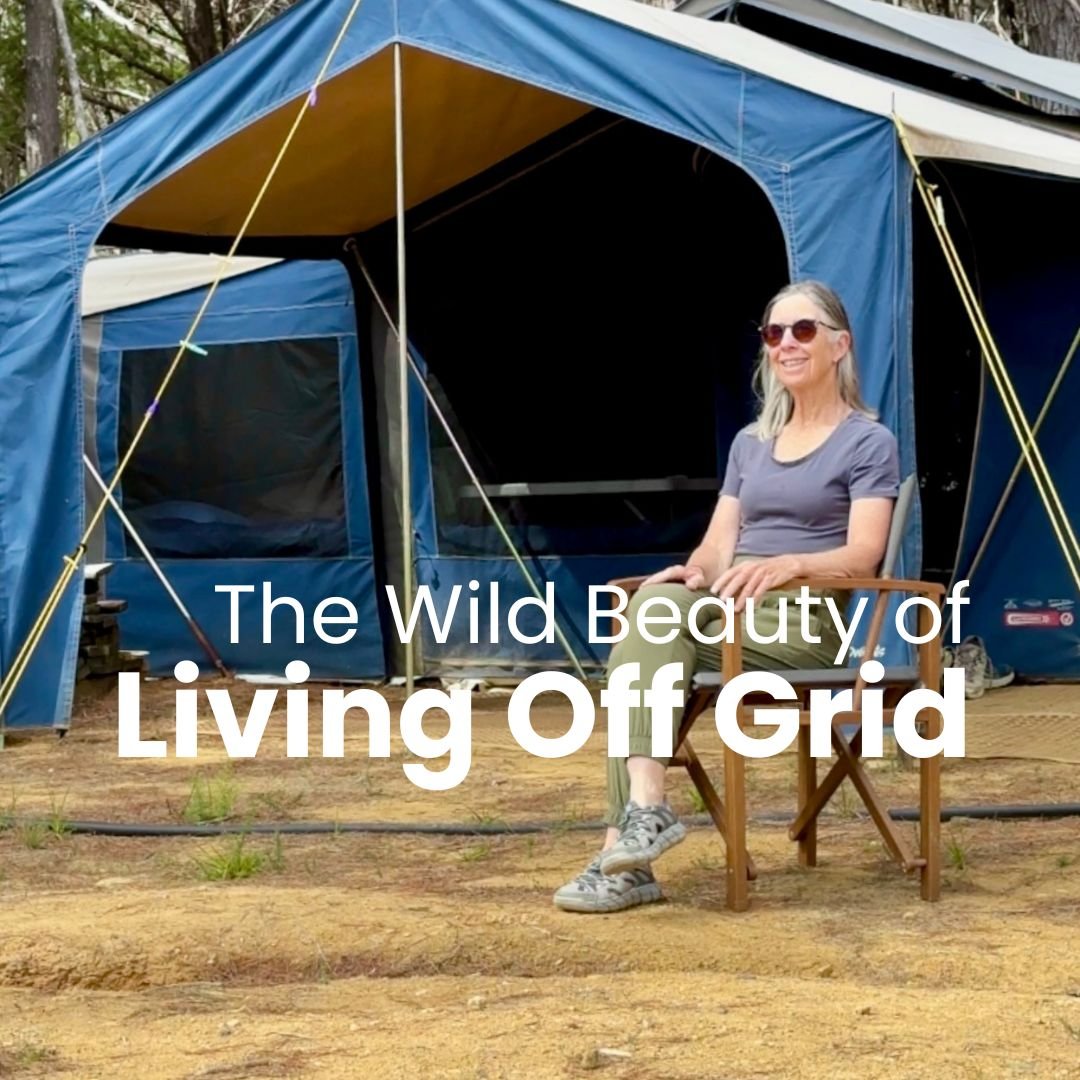
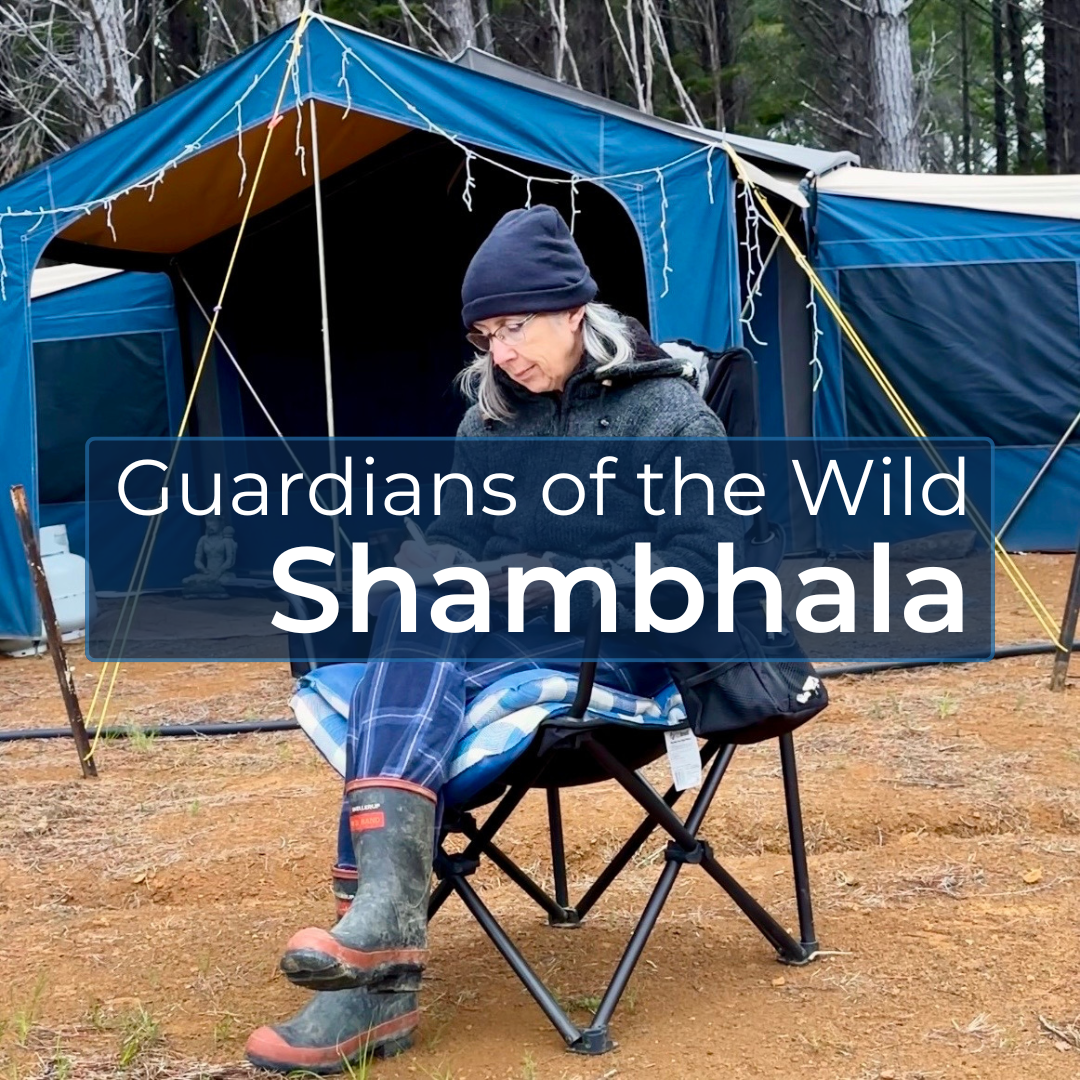

Living in a tent in the Coromandel bush while we build our off-grid cabin provides us with lessons in patience, resilience and humility.
Life here is immersive: you wake with the forest, sleep with the forest, and learn to navigate a world where humans are guests rather than masters.
In this post, I reflect on the experience of becoming one with Shambhala, a place of vast contradictions. Embracing those contradictions requires respect, attention and more than a little courage.