Your First Overnight Walk
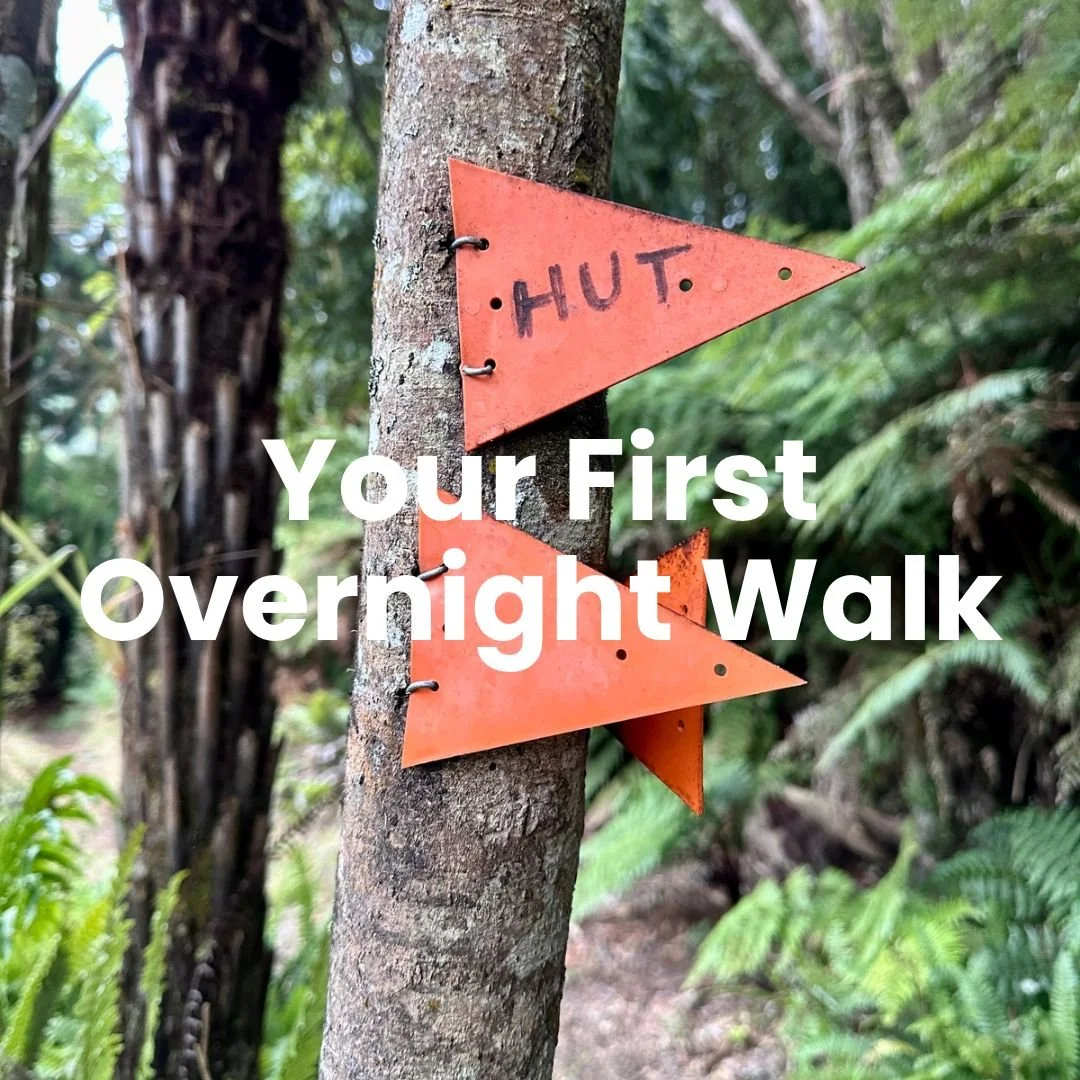
How to Prepare for a Multi-Day Hike in New Zealand
There's something special about heading out on a walking track knowing you won't be coming home that evening. You have everything you need on your back, the landscape unfolds one step at a time, and for a little while, the usual routines of everyday life can wait.
If you've mostly stuck to day walks, the idea of an overnight hike might feel like a big step. What do you pack? How much food will you need? What happens if the weather turns? And will you be comfortable carrying everything you need for two days or more?
The good news is that you don't need to be an experienced tramper to enjoy your first overnight walk. You do need to choose a suitable route, prepare properly and be realistic about what you can manage.
After thousands of kilometres of walking in New Zealand and beyond, including Te Araroa, I've learnt that some of the most rewarding adventures begin with a simple decision to try something new. You don't have to start with a famous Great Walk or a demanding backcountry expedition. Sometimes, one night away is all it takes to discover a whole new side of walking.
Here's how to plan your first overnight hike, build your confidence and give yourself the best chance of enjoying every step.
1. Choose the Right Walk for Your First Overnight Adventure
This is probably the most important decision you'll make. A first overnight walk should be an adventure you can look forward to, not an endurance test designed to prove something.
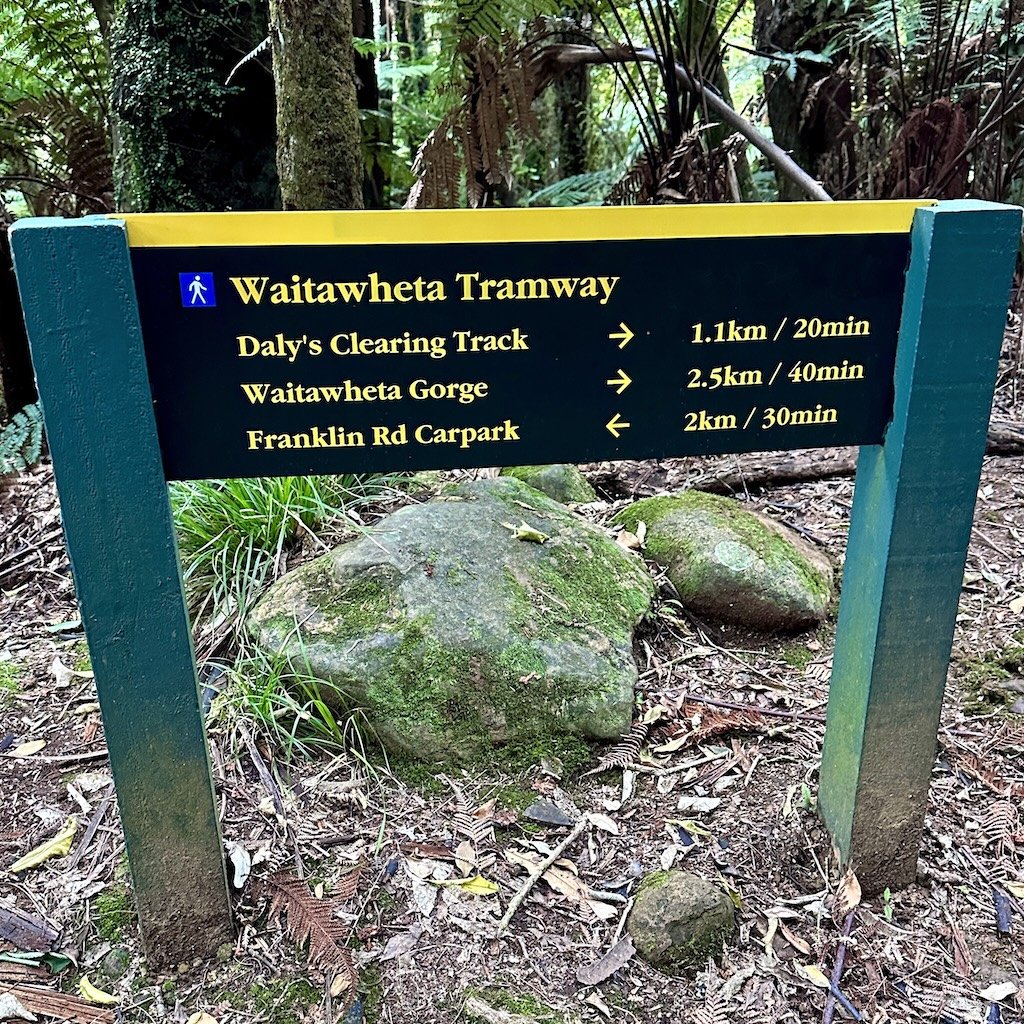
New Zealand has an incredible range of walking tracks, from gentle forest trails to demanding alpine routes. For your first overnight experience, look for a well-established track with a manageable distance, a clear route and suitable accommodation options.
Before committing, consider:
Distance: How many kilometres will you walk each day? Remember that distance alone doesn't tell the whole story. A short walk with a steep climb can be harder than a longer, relatively flat trail.
Elevation: Check how much climbing and descending is involved. If you're not used to hills, a route with a gentler gradient may be a better starting point.
Track conditions: Is the route well formed, or does it involve rough terrain, river crossings or exposed sections?
Accommodation: Is there a Department of Conservation (DOC) hut, a campsite or another suitable place to stay overnight?
Weather and season: Some tracks are much more challenging in wet, cold or windy conditions. Alpine routes can carry additional risks, even outside winter.
A shorter walk with a comfortable overnight stop can be a wonderful introduction. You'll get to experience the rhythm of a multi-day journey without needing to cover huge distances or carry an enormous pack.
It's also worth checking the DOC website for current track conditions, alerts, hut information and booking requirements before making your plans.
The goal is to finish your first overnight walk thinking, "I'd love to do that again," rather than wondering why you put yourself through it.
2. Get Your Legs Ready Before You Go
You don't need to train like an elite athlete, but it pays to build up your walking fitness before setting off.
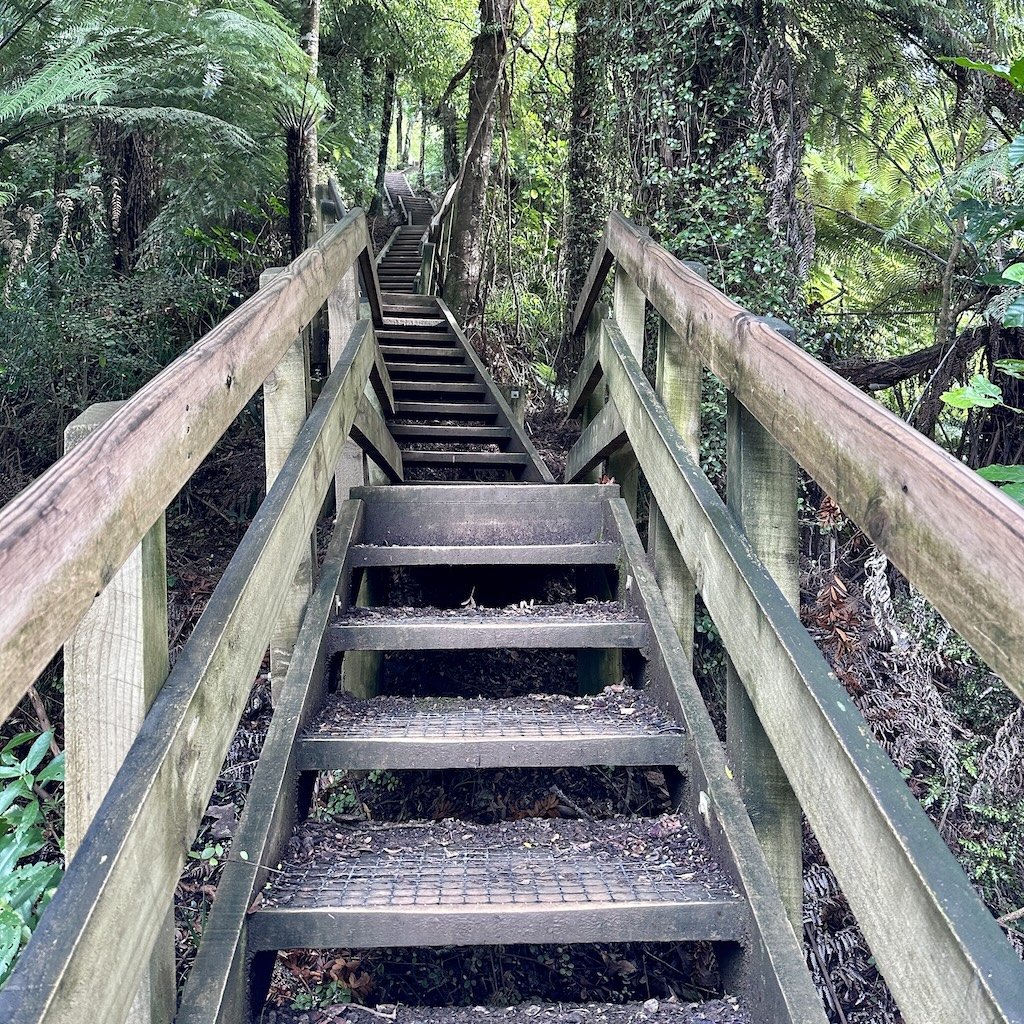
Walking regularly is one of the best ways to prepare. Start with distances you're comfortable with, then gradually increase the length of your walks. Include hills where you can, because climbing and descending use your legs differently from walking on flat ground.
If you're planning a two-day walk, try doing two walks on consecutive days before you leave. You'll get a better sense of how your body feels when you're walking again before you've fully recovered from the day before.
It's also worth practising with the pack you'll carry. Even a relatively light overnight pack feels different from a small day pack, particularly when you're climbing hills or walking on uneven ground.
Gyms aren't essential for preparing to hike. Regular walking, taking the stairs, gardening and other everyday activities can all contribute to your fitness. The important thing is to build up gradually and give your body time to adapt.
If you're returning to walking after a break, start where you are rather than comparing yourself with other people.
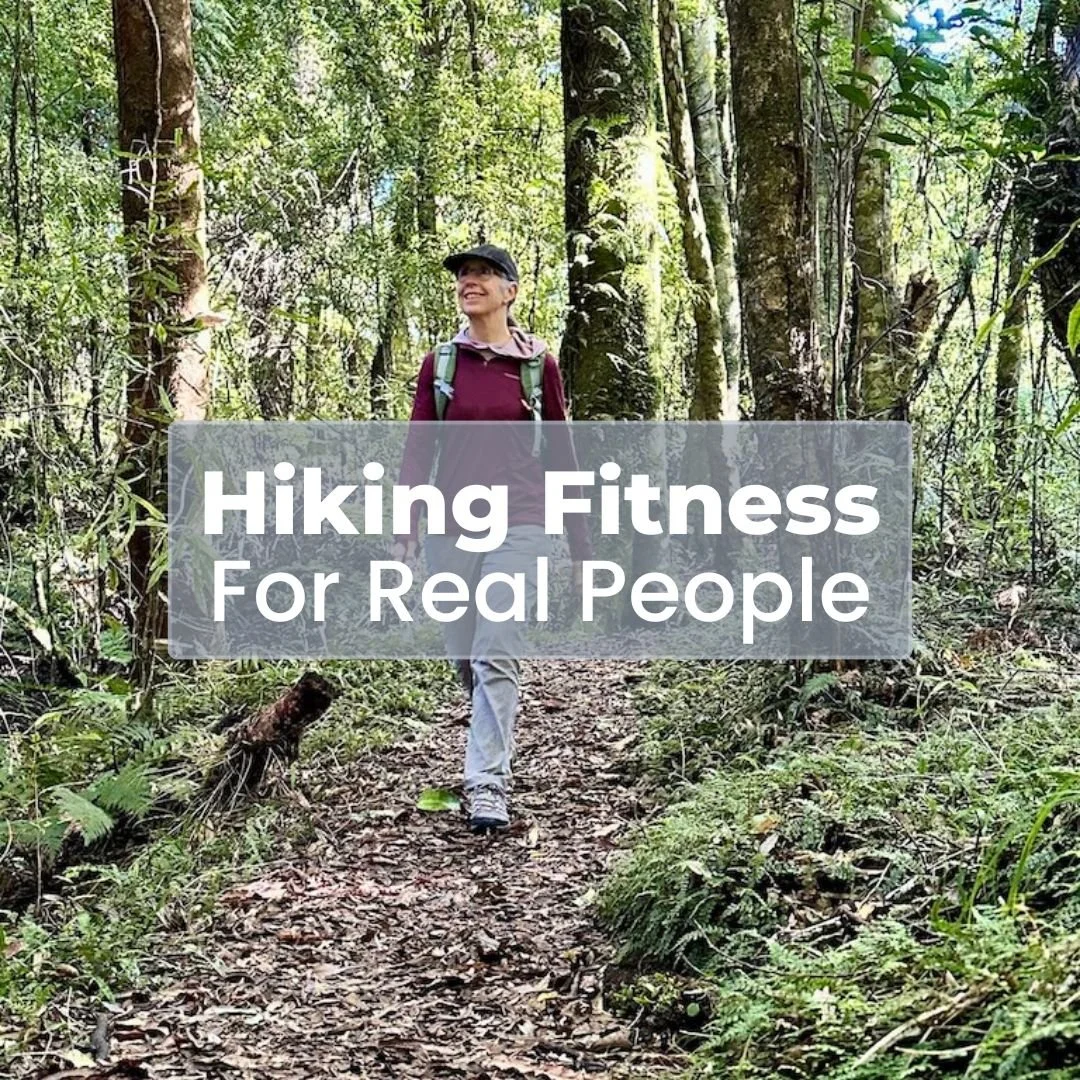
I've written more about this in Hiking Fitness for Real People: How to Get Trail Ready Without Living at the Gym.
3. Pack What You Need, Not Everything You Own
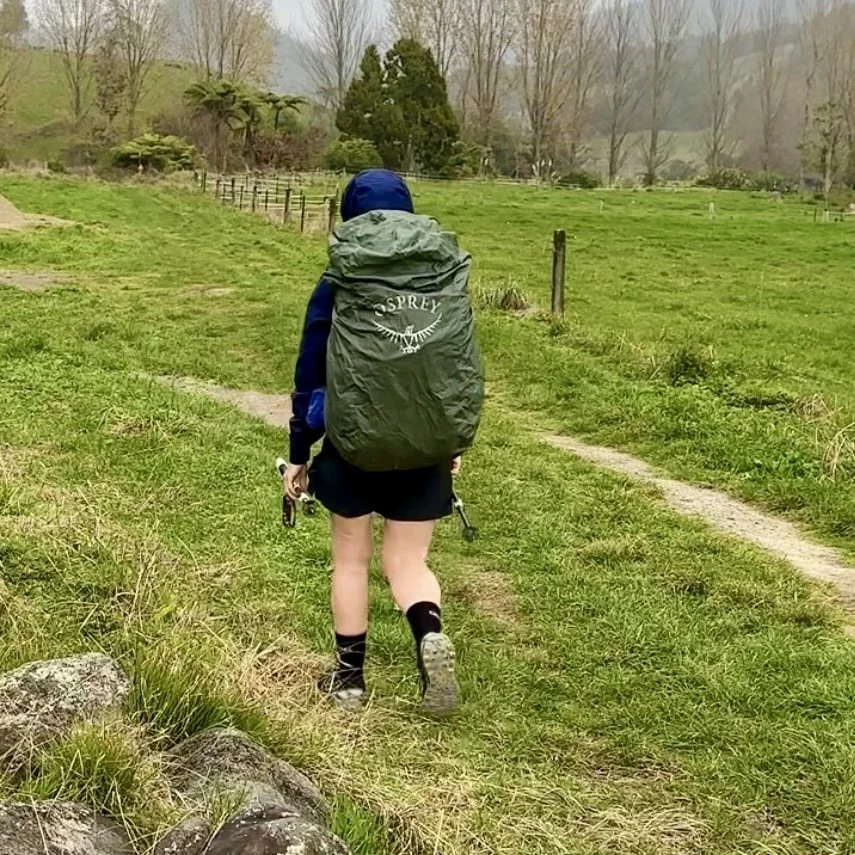
Packing for your first overnight walk can be a little overwhelming. It's tempting to prepare for every possible situation by taking a bit of everything, but there's a trade-off: every extra item adds weight to your pack.
The trick is to take what you genuinely need, rather than packing for every eventuality.
Exactly what you carry will depend on your route, the weather, the type of accommodation and whether you'll be cooking your own meals.
As a starting point, your overnight pack may need to include:
Clothing
Comfortable walking clothes.
A warm insulating layer.
Waterproof jacket and trousers appropriate for the conditions.
Spare socks and underwear.
Sleepwear or a dry layer to change into at night.
A hat and gloves when conditions warrant them.
Sleeping and shelter
A sleeping bag and sleeping mat if required by your accommodation.
A tent if you're camping.
A lightweight liner if useful for your sleeping setup.
Food and water
Enough food for the whole trip, including snacks.
Water and a way to carry enough for the route.
A suitable water treatment method if you'll need to collect water along the way.
A stove, fuel and cooking equipment if required.
Navigation and safety
A map and navigation tools suitable for your route.
A fully charged phone, with offline maps where appropriate.
A personal locator beacon (PLB) for emergencies.
A headtorch and spare batteries or a suitable charging option.
A basic first-aid kit.
Sun protection and insect repellent where appropriate.
Any personal medication you need.
A few other items, such as a toothbrush, toilet paper and a rubbish bag, make overnight life more comfortable.
This is a starting checklist, not a universal packing list. Check what your hut provides, what you'll need to carry yourself and what the track demands before deciding what goes in your pack.
One of the best things you can do before leaving home is lay everything out and ask yourself whether each item has a purpose. If it doesn't, consider leaving it behind.
Of course, don't sacrifice essential safety equipment or clothing just to make your pack lighter.
4. Practise Walking With Your Pack
A pack that feels comfortable for ten minutes around the house might feel very different after three hours on a track.
Before your trip, load your pack with the gear you'll actually be carrying and head out for a walk. Start with a shorter distance, then gradually increase it as you become more comfortable.
Pay attention to how the pack sits on your hips and shoulders. Adjust the straps so the weight is distributed comfortably, and make sure items aren't shifting around as you walk.
If your pack feels uncomfortably heavy during a practice walk, work out why before your trip. You might be carrying unnecessary items, packing your gear inefficiently or using a pack that doesn't fit properly.
Remember that you'll be carrying your food and water as well as your clothing and overnight equipment. A little practice can make a significant difference to how comfortable you feel on the trail.

5. Think About Food Before You Leave
Food is one of those things that's easy to underestimate when planning an overnight walk.
You need enough energy to keep going throughout the day, and it's worth having snacks readily available rather than waiting until you're hungry to stop and eat.
For a simple overnight trip, you might take:
Breakfast that's quick and easy to prepare.
Lunch that doesn't require cooking.
Trail snacks such as nuts, dried fruit, muesli bars or other foods you enjoy.
An evening meal that's easy to prepare at your campsite or hut.
A hot drink or a little treat to enjoy when you arrive.
Choose foods that travel well, suit your appetite and don't require complicated preparation. If you're using a stove, make sure you know how it works before leaving home and carry the correct fuel.
Think about water, too. Find out where it can be obtained along the route and whether it needs treating before drinking. Don't assume that every stream or hut water supply will be safe to drink untreated.
And don't forget to account for the weight of your food and water when packing.
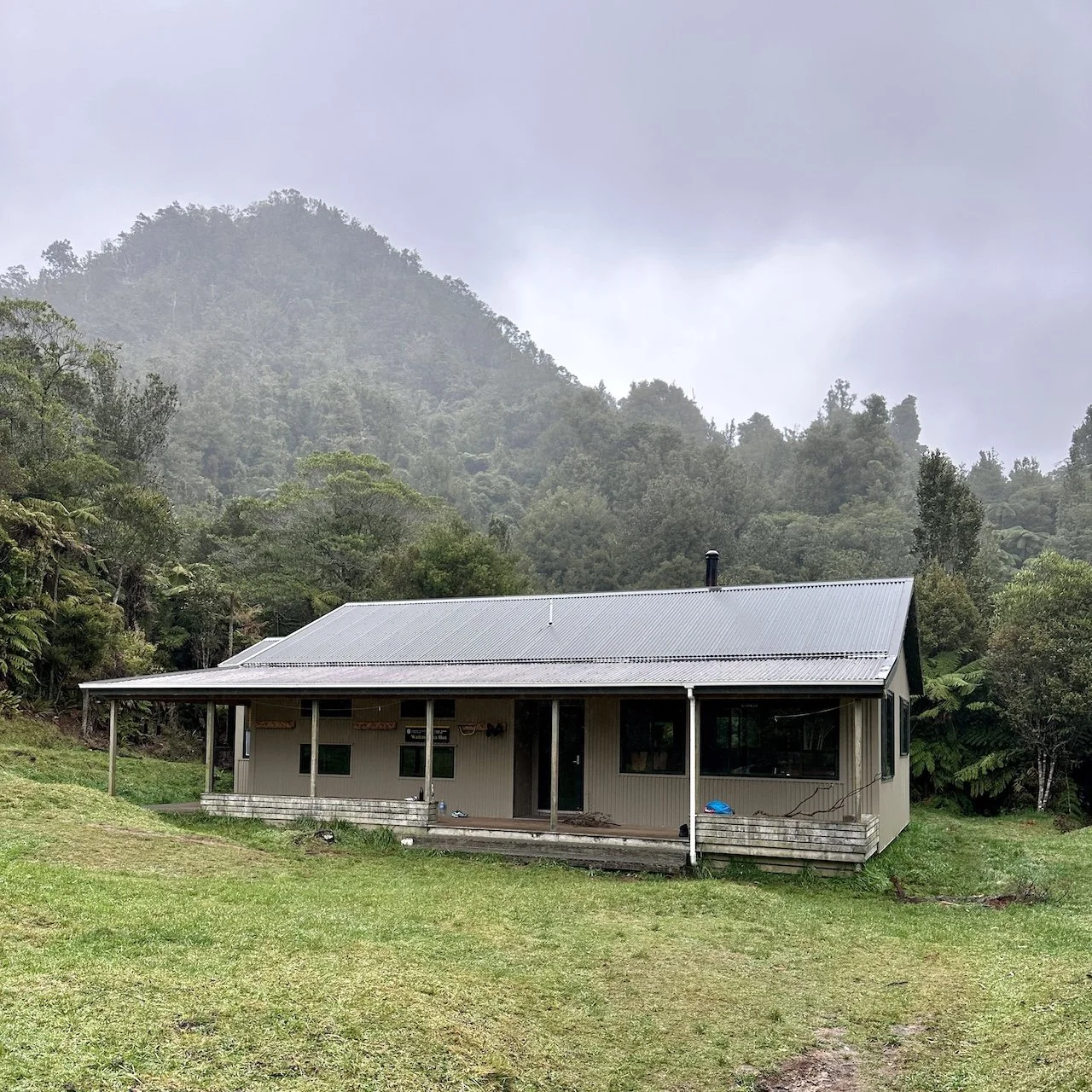
6. Understand What to Expect From a Hut or Campsite
One of the lovely things about overnight walking is discovering how different life feels when your day revolves around the track rather than the clock.
But it's worth knowing what to expect when you arrive at your accommodation.
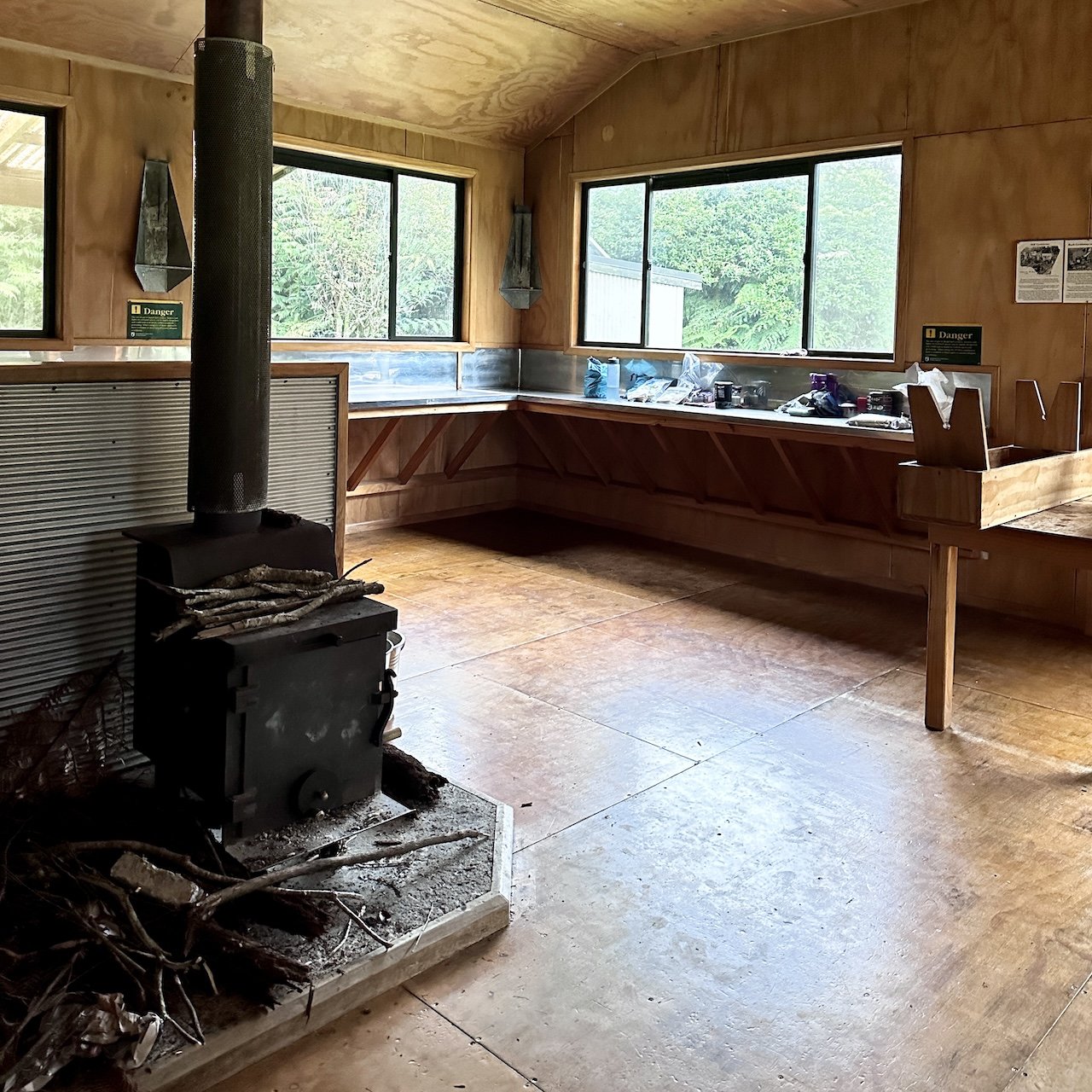
DOC huts vary considerably. Some have basic facilities, while others are larger and more developed. Many provide sleeping platforms or bunks, but you will still need to carry your own sleeping bag. Cooking facilities, water supplies and other amenities also vary, so check the details of your chosen hut before setting off.
Some huts need to be booked in advance, while others operate on a different system. Popular huts can fill up quickly during busy periods, so don't leave your accommodation arrangements until the last minute.
If you're camping, check the rules for your chosen site and make sure you have suitable shelter and sleeping equipment for the expected conditions.
Wherever you stay, remember that you'll be sharing the space with other people. Keep noise down, respect other walkers and leave the place clean and tidy for whoever arrives next.
There's a particular pleasure in arriving at the end of a day's walking, putting your pack down and knowing you don't need to walk anywhere else until morning.
7. Prepare for New Zealand Weather
If there's one thing you learn quickly when spending time outdoors in New Zealand, it's that the weather deserves respect.
A forecast that looks promising at home doesn't guarantee comfortable conditions on the track. Rain, wind, cold temperatures and sudden changes can make a walk much more challenging than expected.
Check the forecast for the specific area you're visiting, not just the nearest town. Look at the expected conditions throughout your trip, and check again before departure.
Take appropriate waterproof and warm clothing, even if the weather looks settled. Avoid cotton clothing as your main insulating layer in cold, wet conditions, because it can hold moisture and become uncomfortable.
It's also important to understand the terrain you're walking through. Exposed ridges, alpine sections, river crossings and steep tracks can become hazardous when conditions deteriorate.
Be prepared to change your plans if necessary. Turning back, changing routes or postponing a trip are sensible decisions when conditions aren't suitable.
Before you leave, tell someone your route and expected return time, and arrange for them to raise the alarm if you don't return as planned. Carry a suitable means of calling for help, including a PLB for emergencies where phone coverage may be unavailable.
New Zealand's outdoors is beautiful, but it isn't a controlled environment. Preparation gives you more freedom to enjoy it safely.
8. Don't Underestimate the Mental Side of Walking
There's a difference between going for a walk and spending a couple of days travelling under your own steam.
On an overnight hike, you might feel tired towards the end of the day. Your shoulders might be ready for a break, your feet might be sore, and the hut may still seem a long way off.
This is where pacing yourself becomes important.
You don't need to walk quickly. Take regular breaks, eat before you're exhausted and allow enough time to reach your destination comfortably. If you're walking with other people, find a pace that works for the group rather than feeling you have to keep up with the fastest person.
It's also worth remembering that not every moment needs to be spectacular.
Some of the best parts of walking happen between the big moments: noticing the changing vegetation, listening to birdsong, stopping to admire a view or having a conversation with someone you've met along the way.
Give yourself permission to enjoy the journey rather than concentrating solely on reaching the destination.
And if the walk turns out to be harder than you expected, don't treat that as failure. Every outdoor adventure teaches you something about your preparation, your equipment and what works for you.
9. Start Small, Learn as You Go
You don't need to tackle one of New Zealand's most famous multi-day walks for your first overnight adventure.
In fact, starting with a relatively straightforward trip can be a better way to discover what you enjoy and what you'd do differently next time.
Perhaps you'll discover that your pack could be lighter, your boots need more breaking in or you prefer a different type of food on the trail. Maybe you'll realise that you love staying in huts, or that camping gives you the freedom you're looking for.
That's all useful information.
After your walk, take a few minutes to reflect on what worked well and what you'd change. Make a note while the details are fresh, especially if you're planning another trip soon.
You might find that your next adventure can be a little longer, a little more challenging or somewhere completely different.
The point isn't to progress as quickly as possible. It's to build experience at a pace that suits you.
Your First Overnight Walk Could Be the Beginning of Something Bigger
There's a special satisfaction in carrying what you need, walking into the landscape and spending a night away from the usual demands of everyday life.
You might discover a new favourite track, develop a love of hut-to-hut walking or simply enjoy the experience of being somewhere without needing to rush home at the end of the day.
You don't need expensive equipment, extraordinary fitness or years of tramping experience to begin. You need a suitable route, thoughtful preparation, an appreciation of the conditions and a willingness to learn.
Start with one night. Choose a walk that matches your experience, prepare properly and give yourself enough time to enjoy it.
You never know where that first overnight adventure might lead.
Ready to plan your next walk?
Explore more walking inspiration and practical advice on Freewheeling Kiwi, where I share lessons from the trails, adventures around New Zealand and stories from further afield.
Happy walking, and I'll see you out there! 🌿🥾
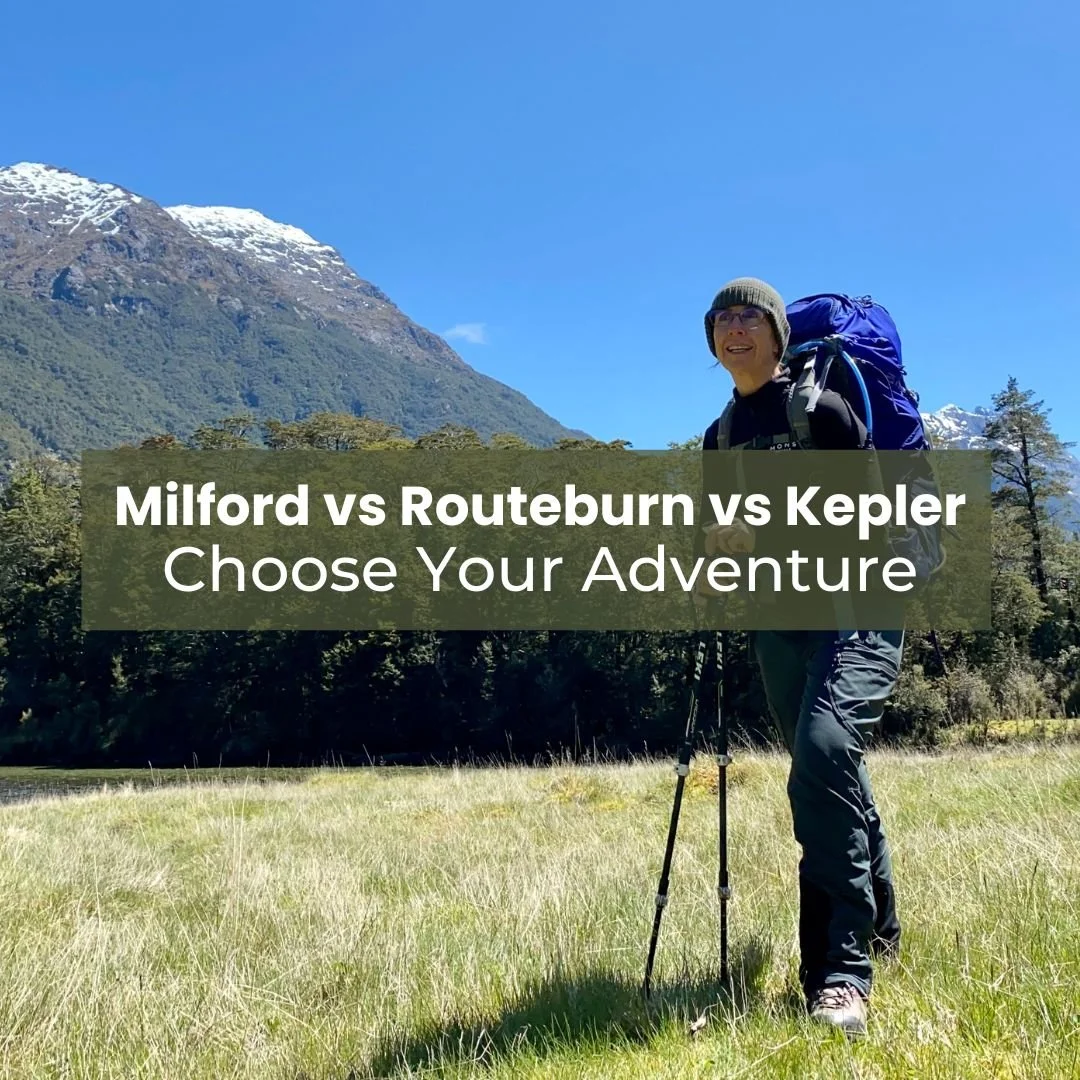

One of the most common questions prospective Milford Track walkers ask is, "Am I fit enough?"
The good news is that you don't need to be an athlete to complete New Zealand's most famous Great Walk.
In this practical guide, I share my experience of the track, what level of fitness is really required, how to prepare for Mackinnon Pass, common training mistakes, and why carrying a lighter pack can often make a bigger difference than spending extra hours in the gym.