How to Train for Annapurna Base Camp: A Practical Guide
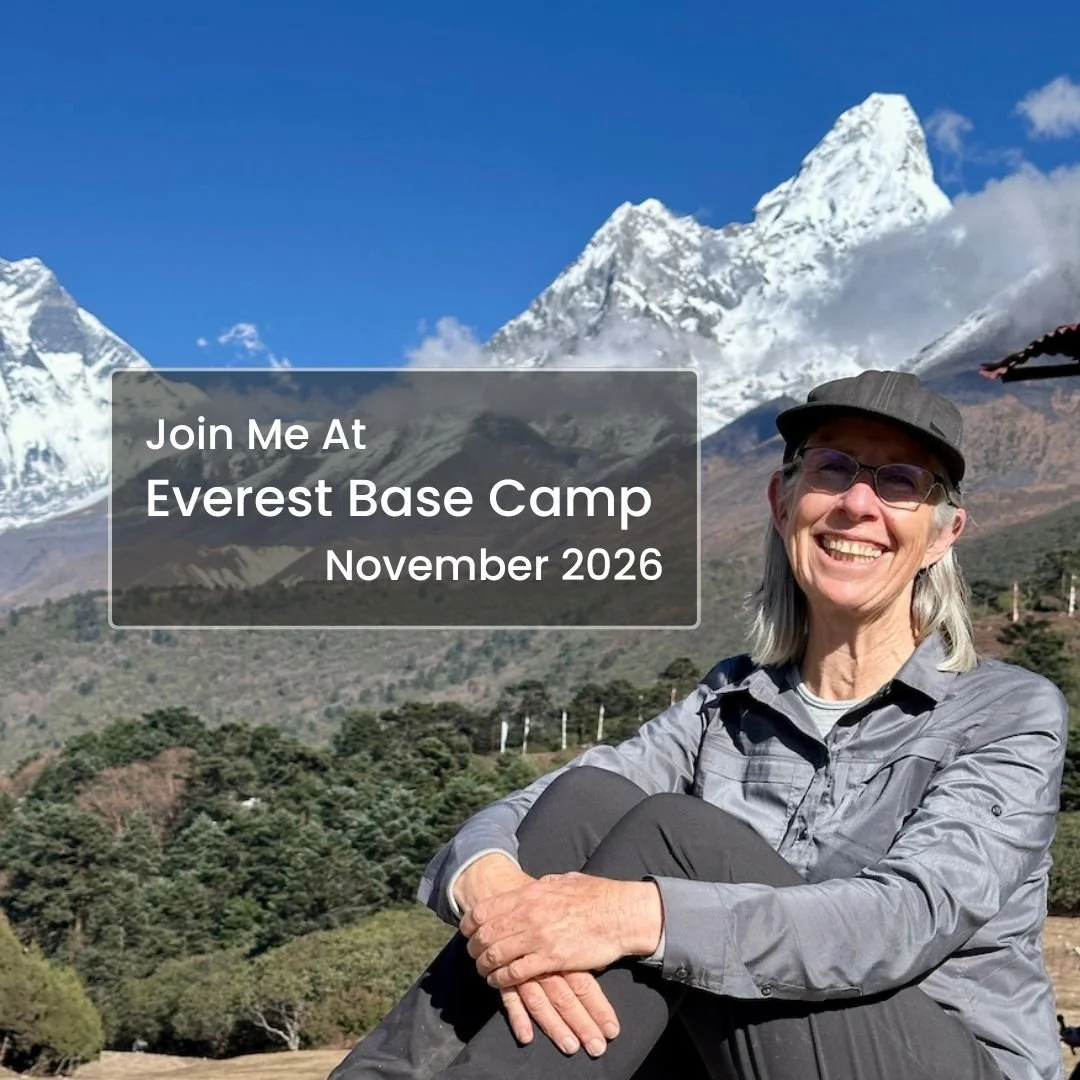
EVEREST BASE CAMP ⚡️ LIMITED SPOTS LEFT ⚡️ BOOK NOW ⚡️ ANNAPURNA BASE CAMP ⚡️ LIMITED SPOTS LEFT ⚡️ BOOK NOW ⚡️
EVEREST BASE CAMP ⚡️ LIMITED SPOTS LEFT ⚡️ BOOK NOW ⚡️ ANNAPURNA BASE CAMP ⚡️ LIMITED SPOTS LEFT ⚡️ BOOK NOW ⚡️
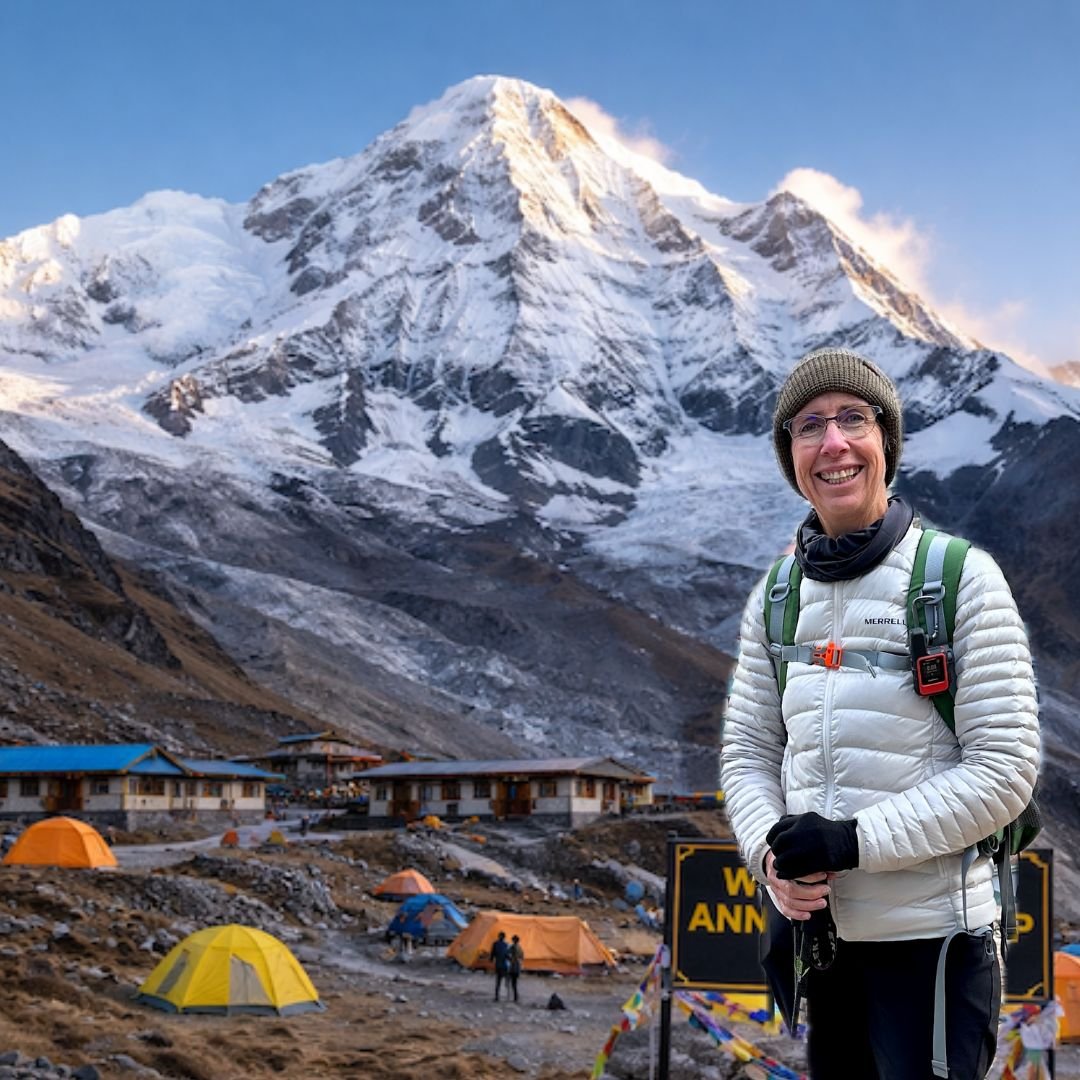
When we started Annapurna Base Camp after Everest Base Camp, I thought we were already fit enough.
We had just completed the Everest Base Camp Trek and immediately prior to that had walked New Zealand’s 3,000km Te Araroa. We had altitude in the legs. We had resilience. We had experience.
Then we caught something after hitching a helicopter ride from Lukla to Kathmandu. A few unexpected recovery days later, we were on a bus to Pokhara to begin the Annapurna Trek.
It was a reminder that fitness is only one part of preparation. Recovery, resilience and realistic expectations matter just as much.
If you are joining me for Annapurna Base Camp, here is how I recommend you train.
1. Build Your Aerobic Base First
You do not need to be an ultra athlete. You do need a solid cardiovascular base.
Aim for:
3 to 4 cardio sessions per week
45 to 90 minutes per session
Brisk walking, hiking, cycling, stair climbing or incline treadmill
You should be able to hold a conversation but feel like you are working. If you are gasping, it is too hard. If you are barely breathing differently, it is too easy.
Consistency beats intensity.
2. Train on Hills. Not Just Flat Paths.
ABC is not technical, but it is relentless. You go up. You go down. Then you go up again.
Find hills.
If you live somewhere flat, use:
Stairwells
Incline treadmill
Step ups with weight
Stadium stairs
Your legs need to get used to sustained climbing and controlled descending. Downhill strength is what protects your knees.
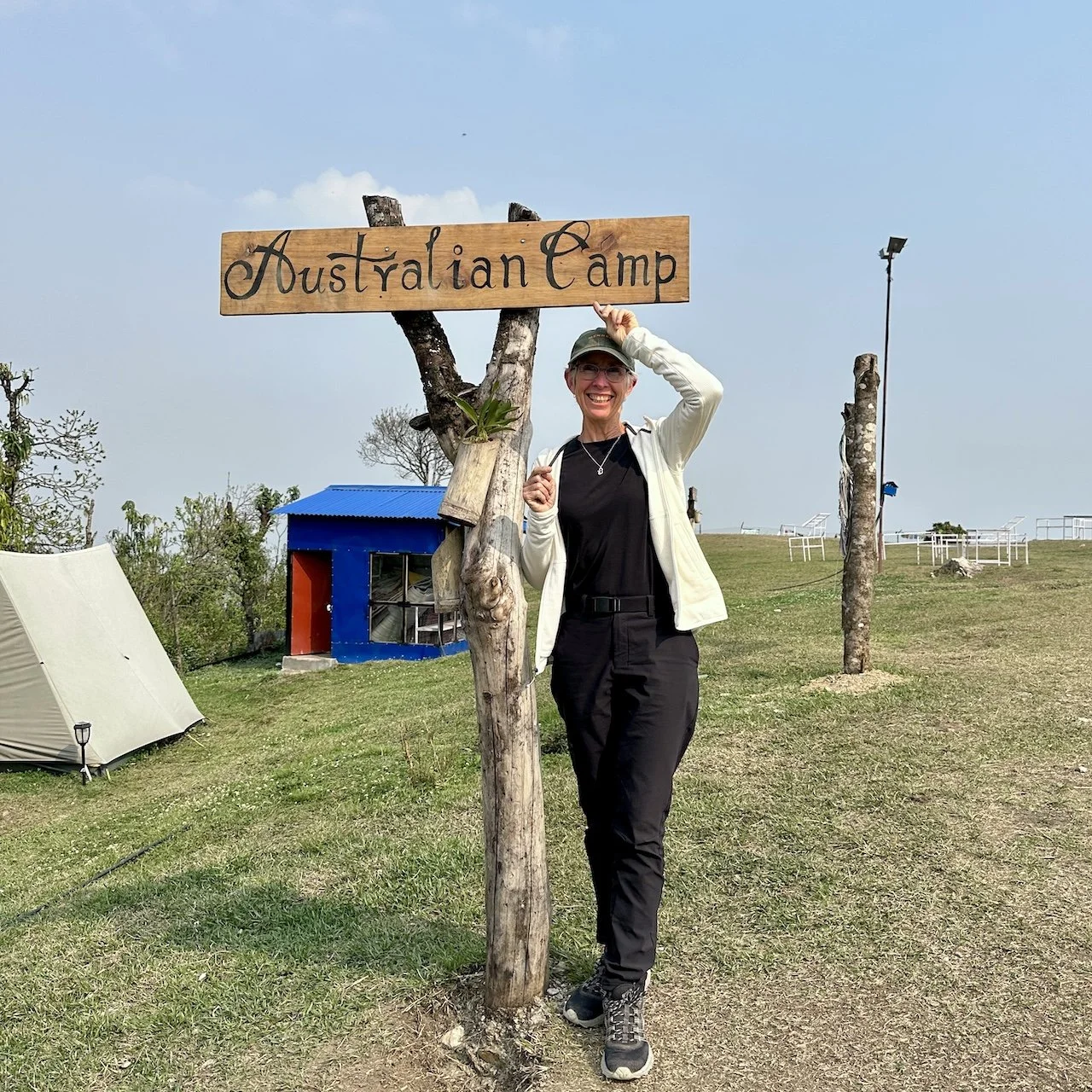
Passing by the Australian Camp on the Annapurna Base Camp Trek, Nepal
3. Strength Train Twice Per Week
This is where many people fall short.
Strong legs make the trek enjoyable. Weak legs make it a grind.
Focus on:
Squats
Lunges
Step ups
Deadlifts
Calf raises
Core work
Nothing fancy. Good form. Progressive load. All of this can be done at or near home.
You are training for durability, not aesthetics.
4. Practice Hiking with a Daypack
Our porters carry the duffel bags, which is a gift. But you still carry your own daypack.
Train with:
3 to 6 kilograms
Water
Snacks
Extra layers
Your shoulders and hips need to adapt. Do not wait until Nepal to discover your straps rub.
5. Back to Back Efforts
The trek is not one hard day. It is multiple consecutive days.
Once per fortnight, do:
A longer hike on Saturday
A moderate effort again on Sunday
This teaches your body to perform while slightly fatigued.
That is realistic preparation.
6. Respect Altitude
Fitness does not make you immune to altitude.
ABC reaches 4,130 metres. That is significant.
You cannot train at sea level for altitude specifically, but you can:
Improve cardiovascular fitness
Arrive well rested
Hydrate properly
Avoid ego pacing
The fittest person in the group is not always the one who adapts best.
7. Recovery Is Part of Training
We learned this the hard way after EBC.
You can do everything right and still get sick. Travel fatigue is real. As we found out, exposure to bugs is real. Sleep disruption is real.
Prioritise:
Sleep
Protein intake
Rest days
Listening to your body
You do not get fitter and stronger during training. You get fitter and stronger during recovery.
8. Mental Preparation Matters
Annapurna Base Camp is not extreme. But it is uncomfortable at times.
Cold mornings. Basic tea houses. Long uphill days.
Train your mindset by:
Choosing discomfort occasionally - yes, train on the rainy days
Finishing sessions when you would rather stop
Practising patience on long efforts
This is not about toughness. It is about steadiness.
A Simple 12 Week Framework
Weeks 1 to 4 →
Build aerobic base. Two strength sessions per week. One hill session.
Weeks 5 to 8 →
Increase hill work. Add weighted step ups. Introduce back to back weekends.
Weeks 9 to 11 →
Longest hikes. Practice with full daypack weight. Maintain strength.
Week 12 →
Reduce volume. Maintain light movement. Arrive fresh, not exhausted.
Final Thought
Annapurna Base Camp is achievable for anyone who trains consistently and respects the environment.
You do not need to be perfect. You do need to prepare.
Fitness builds confidence. Preparation builds calm.
And calm is powerful at altitude.
If you are trekking with me in October, start now. Small, steady work compounds quickly 👣



The gear question starts early. Sometimes before the booking is even confirmed. And it should, because getting it wrong is expensive, uncomfortable, and entirely avoidable.
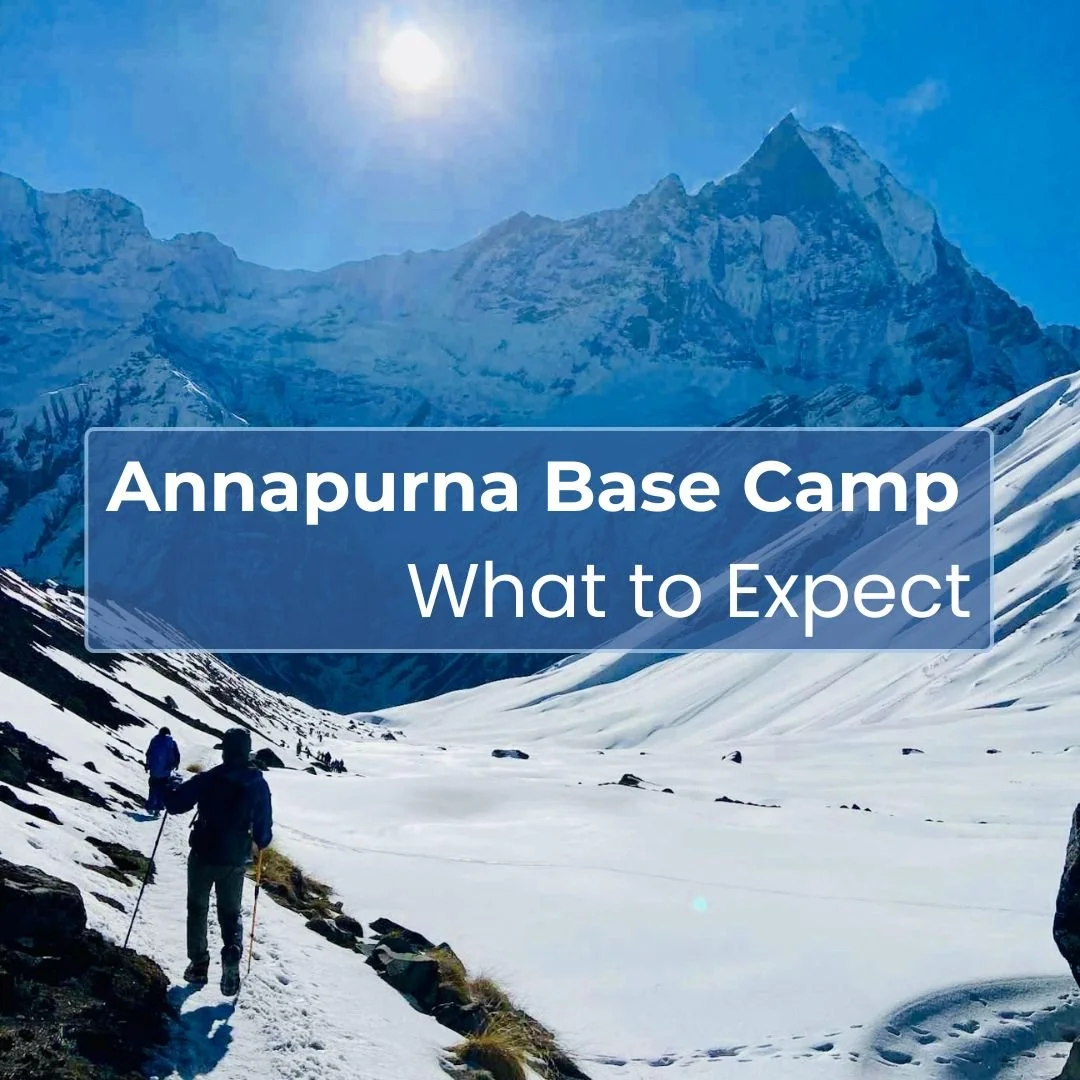
I have trekked to Everest Base Camp and into the Annapurna Base Camp trail and led multiple groups to each. This is what I actually pack, what I leave behind, and where the two treks differ in ways that matter.