The Waikato River Trails
A Little Adventure Close to Home
There are places we travel halfway around the world to experience, and others that have been sitting quietly on our doorstep all along.
The Waikato River Trails are a good example. Stretching for 104 kilometres through the heart of the central North Island, this network of trails follows the Waikato River through native bush, exotic forest, farmland and some of the country's most interesting hydroelectric history. I've ridden the entire trail and walked almost all of it, returning to different sections over the years, sometimes on foot and sometimes by bike.
What I particularly like about the trails is that you don't have to tackle the whole 104 kilometres to enjoy them. You can break the journey into manageable sections, choose a distance that suits you and make a day of it. For those living in the central North Island, they're also remarkably accessible, with large population centres within easy reach.
And yet, despite that accessibility, there are places along the river where you can walk for quite some time without seeing another soul.
One of my favourite sections is between Arapuni Dam and Jones Landing.
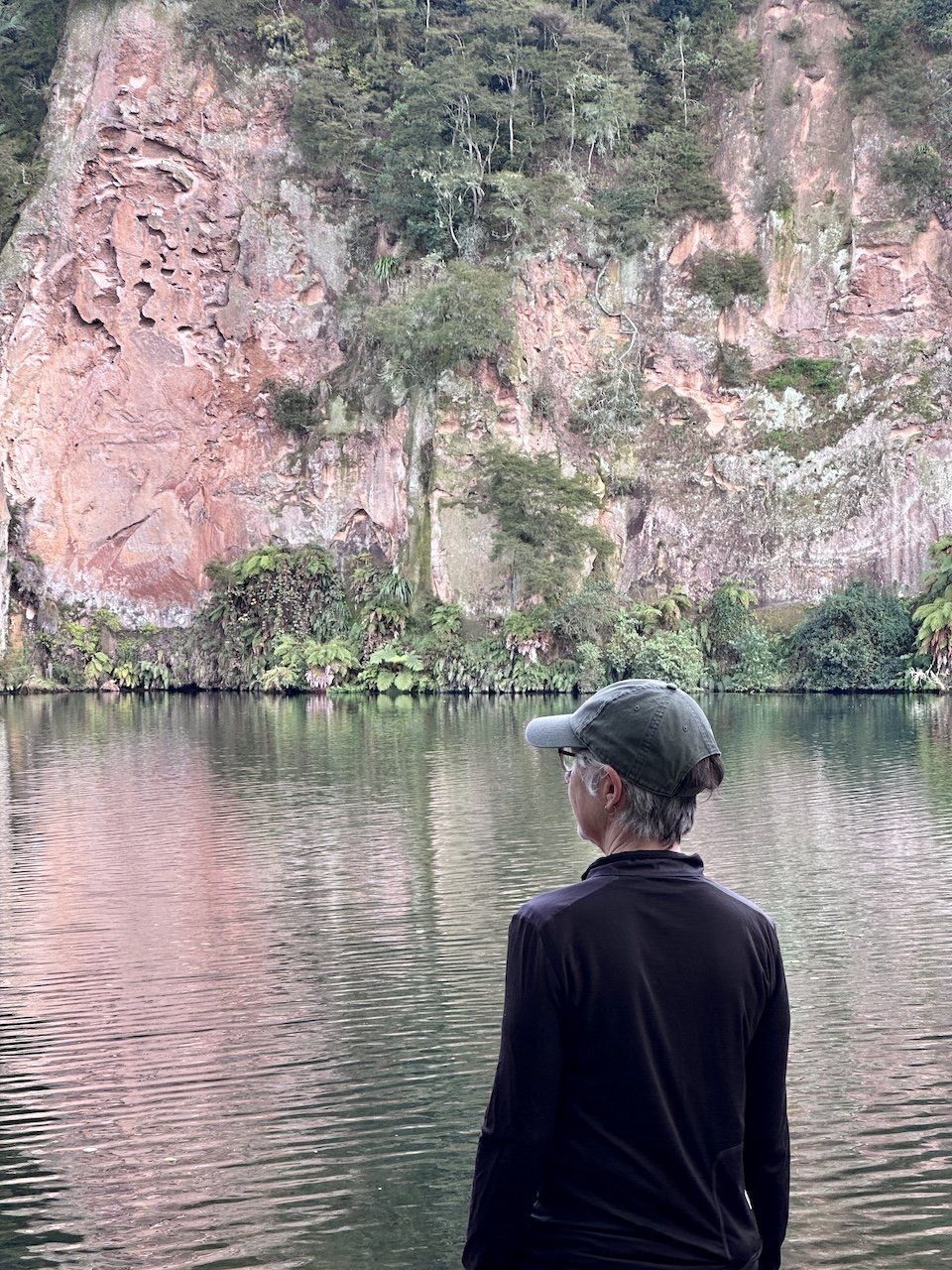
The cliffs glow rose and gold above the still water, and somewhere in those crevices, kingfishers are nesting. Worth a long, quiet look.
Where the river slows you down
There's something special about this stretch of the Waikato River. The landscape changes as you move away from the busier access points, and the river begins to feel more secluded. Towering cliffs rise above the water, the bush closes in around the track, and on a still day the reflections can be magnificent.
Head out early on a spring morning and you’ll likely see swans gliding by with cygnets trailing behind, ducks and cormorants perched along the safety boom upstream of the dam, soaking up the rays, and kingfishers darting in and out of the nests they’re building in the towering cliffs across the river.
It's the sort of place where you find yourself slowing down, not because you're tired, but because there's no particular reason to hurry.
I've walked this section when the water has been calm enough to mirror the cliffs almost perfectly. It's a beautiful sight, and one that can be easy to overlook when we're busy counting kilometres or thinking about how far we've got left to go.
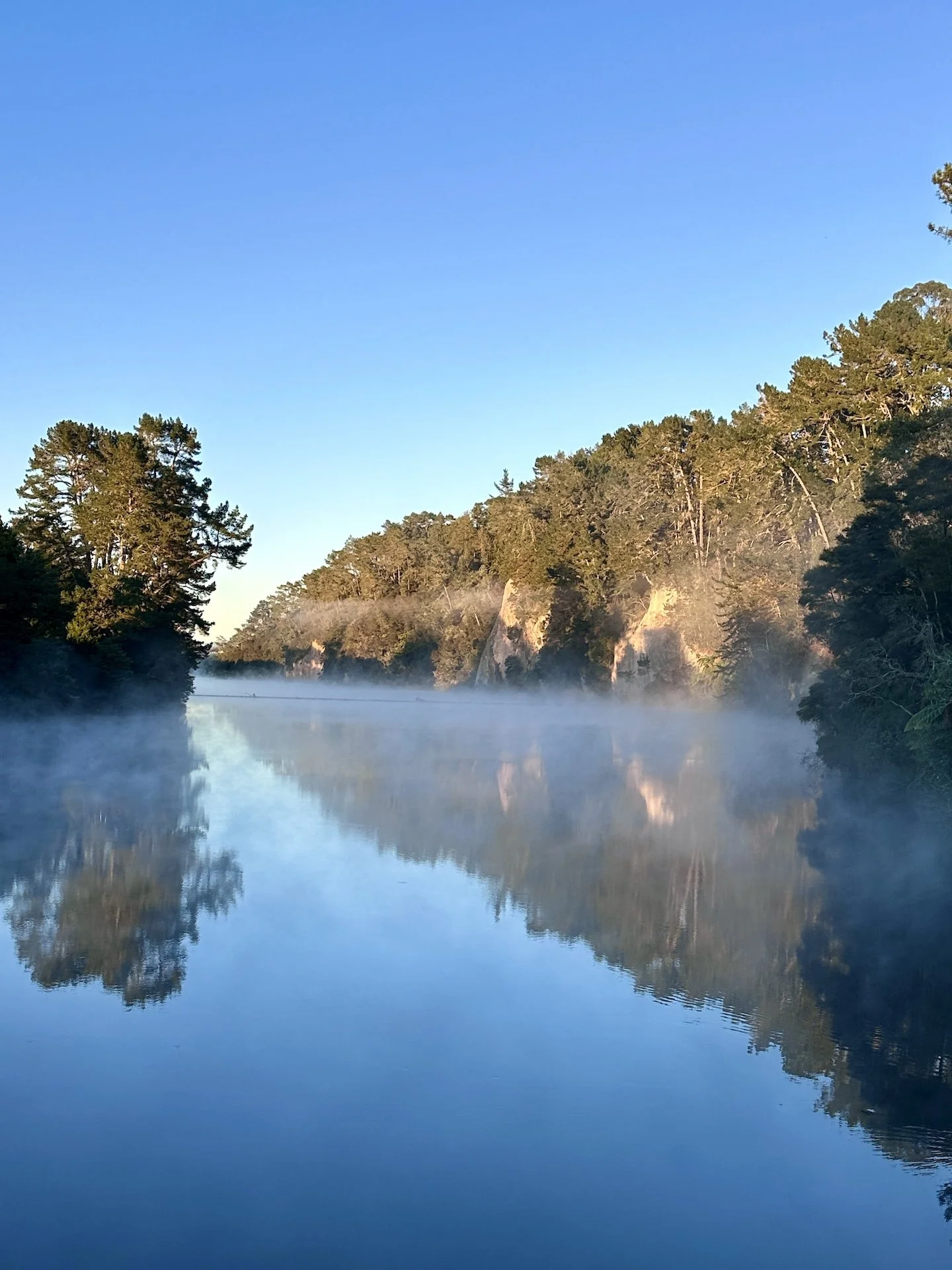
Dawn mist drifting over the Waikato River above Arapuni Dam, the water so still the cliffs and trees are doubled in the glass.
The track makes a lovely out and back walk, allowing you to turn around when you've had enough rather than committing to a long circuit or having to organise transport at the other end. For anyone wanting a little time in nature without turning it into a major undertaking, that flexibility is a real bonus.
Of course, conditions and track surfaces vary throughout the Waikato River Trails, so it's worth checking the grade and current access information before setting out. But one of the things I appreciate about having a network of trails like this nearby is the opportunity to choose an outing that fits the time, energy and inclination you have that day.
Not every adventure needs to be epic.
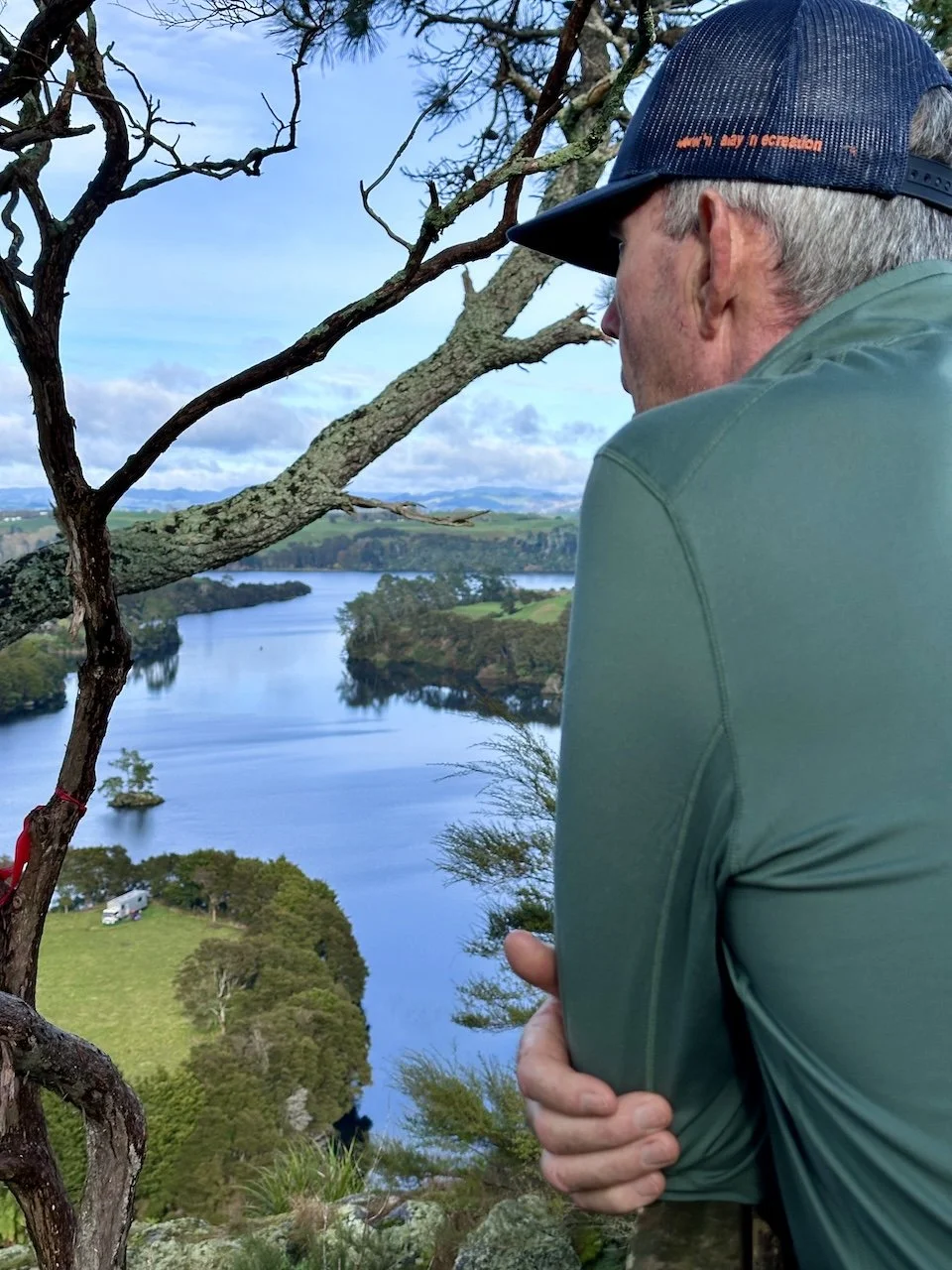
Andrew takes in the view from above, the Waikato River widening into a calm blue sweep beyond Jones Landing.
A bridge with a story to tell
The Arapuni Swing Bridge is one of the highlights of the area, and for good reason.
Built in 1925, the bridge is now more than a century old. At 152 metres long, suspended 54 metres above the power station, it offers spectacular views into the gorge below. It was originally constructed to give power station workers easier access, long before it became a landmark for visitors exploring the area.
Walking across it gives you a different perspective on the river and the landscape. There's a certain thrill in looking down into the gorge, and it's a reminder that the places we enjoy for recreation often have a much longer and more practical history.
The bridge is part of a wider story of engineering and determination. The Arapuni Power Station and Dam were among the early major hydroelectric developments on the Waikato River. Construction began in the 1920s, and the station first supplied electricity in 1929.
The project wasn't without its problems. Significant rock movement damaged the station in 1930, forcing generation to stop while remedial work was carried out. Electricity generation resumed in 1932.
Standing in this landscape, it's worth taking a moment to consider the scale of the undertaking. The dam, the powerhouse, the river and the surrounding gorge tell a story of the effort involved in harnessing the Waikato River to generate electricity for a growing country.
It's fascinating history, and one that adds another dimension to a walk that might otherwise be all about the scenery.
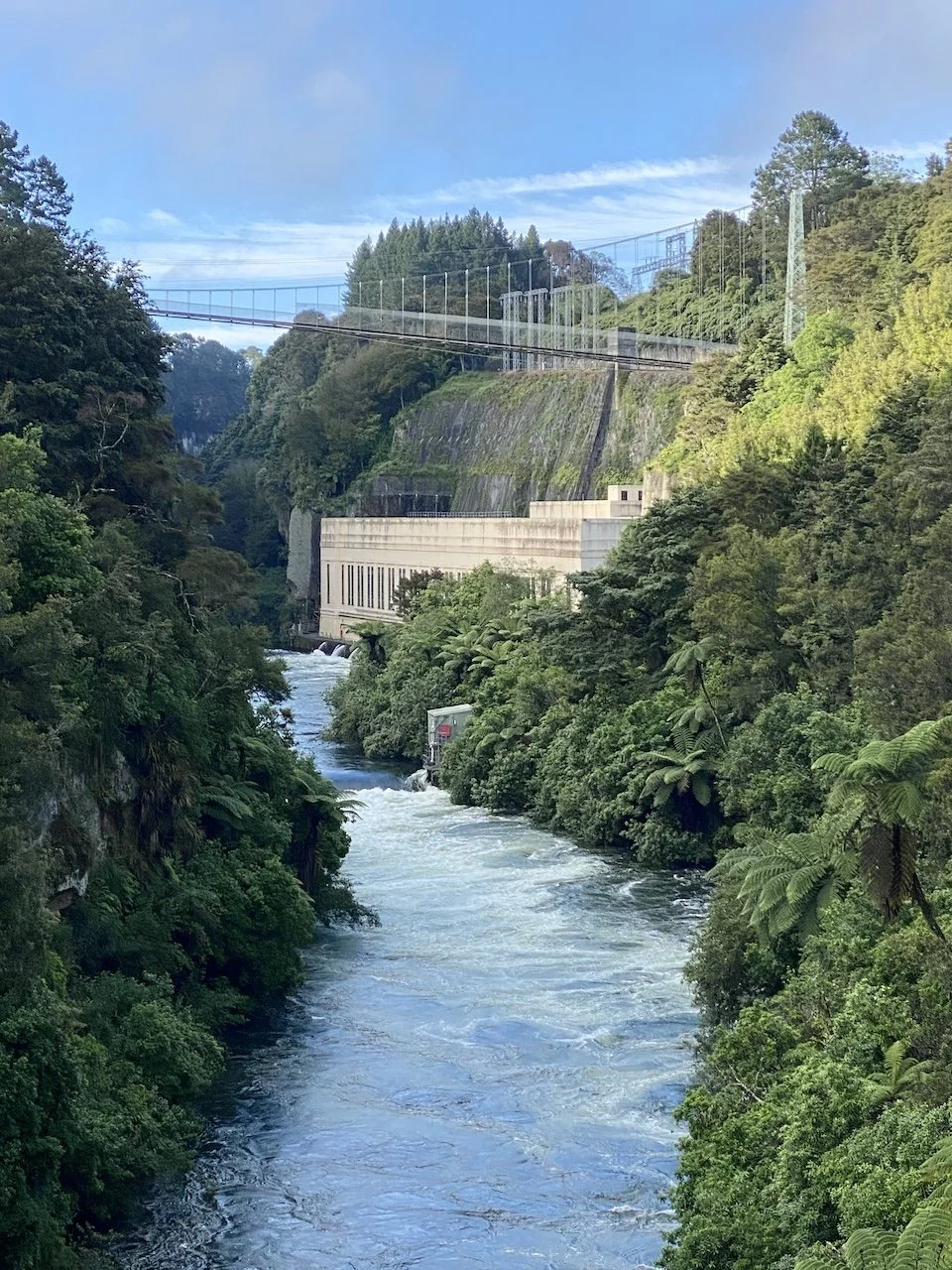
Far below the swing bridge, the Waikato squeezes through its gorge past the old powerhouse. It was built for workers' footsteps, and a century on it carries visitors instead.
The value of exploring close to home
Having walked the length of New Zealand on Te Araroa, and spent time exploring some remarkable places overseas, I could easily be tempted to think that adventure means going somewhere far away.
But that's not how I see it.
Some of the most rewarding days I've had outdoors have been much closer to home. They haven't necessarily involved spectacular summits, huge distances or days of physical effort. Sometimes they've simply involved following a track beside a river, discovering a new viewpoint or spending a few quiet hours somewhere beautiful.
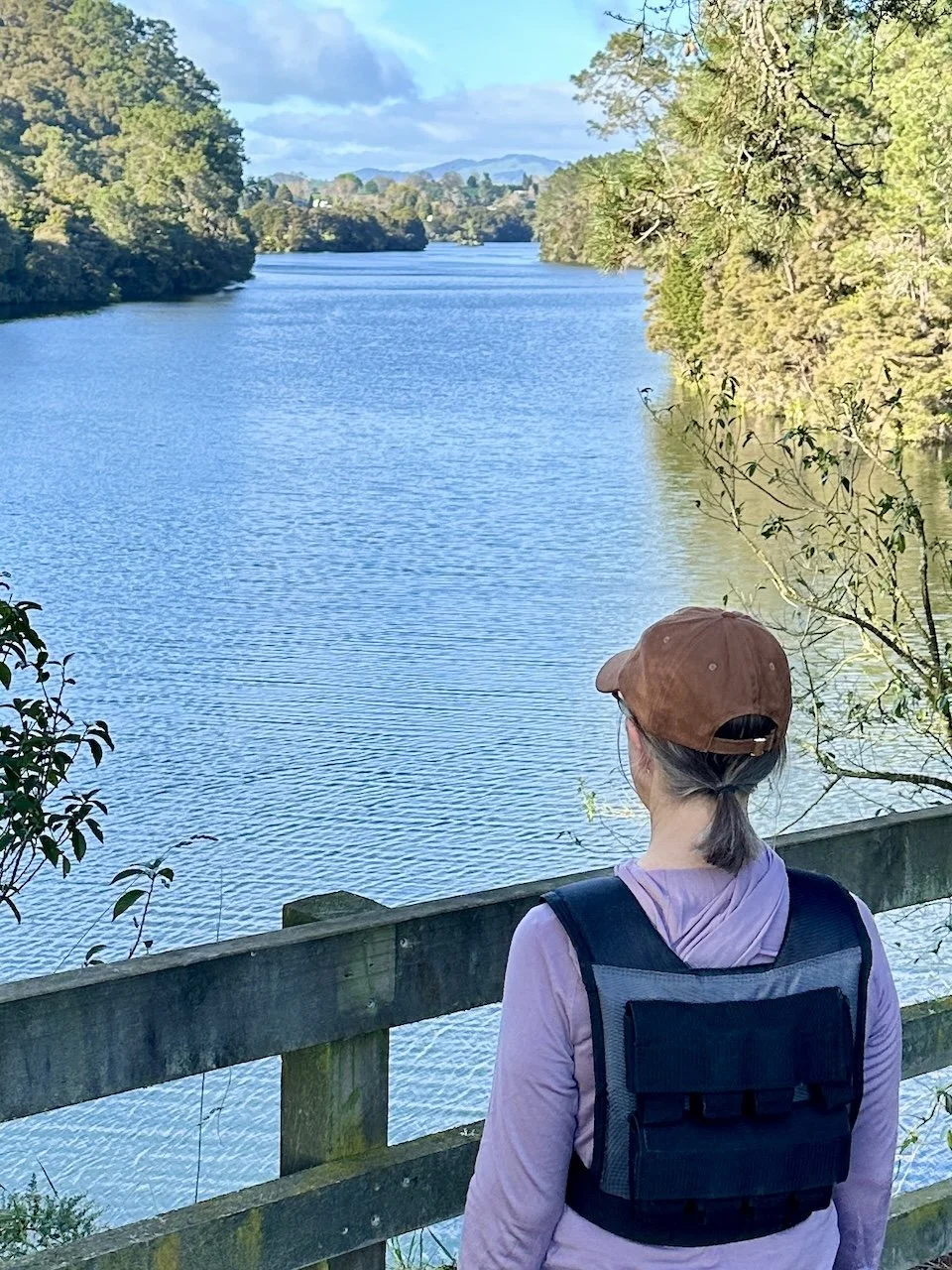
No summit, no big miles, just a track beside the river and a moment to stand and look. Some of the best days start this close to home.
The Waikato River Trails are a good reminder of what's available to us when we make the effort to explore our own backyard. You can ride the full trail over several days, choose a section for a day ride, or head out for a walk and return the way you came. There are options for different interests, abilities and levels of experience, although it's always worth checking the grading of your chosen section rather than assuming the entire network is easy.
For me, the stretch between Arapuni Dam and Jones Landing captures much of what I love about getting outdoors in New Zealand. There's the beauty of the river and its surrounding cliffs, the fascinating history, and the simple pleasure of being somewhere peaceful without having to travel a great distance to get there.
We don't always need to plan the next big adventure. Sometimes it's enough to look at a map, find somewhere we haven't explored properly, and give ourselves a few hours to see what we discover.
You might be surprised by what's waiting just down the road.
Before you go:
Check the official Waikato River Trails website for current track closures, access arrangements and trail conditions before planning your visit, particularly around Arapuni Dam. Conditions and access can change while repair work is under way.
Have you discovered a special place close to home that deserves more attention, or explored the Waikato River Trails yourself? I’d love to hear about your favourite local outdoor spots in the comments below. 💚
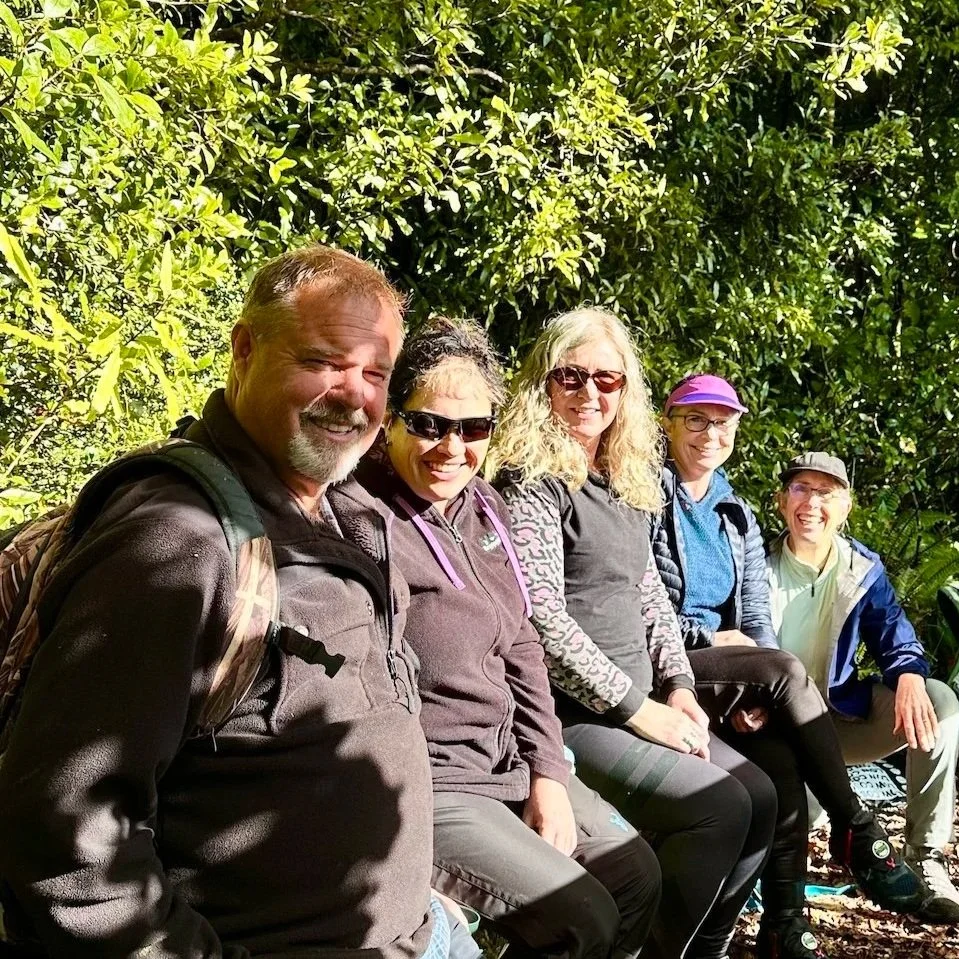

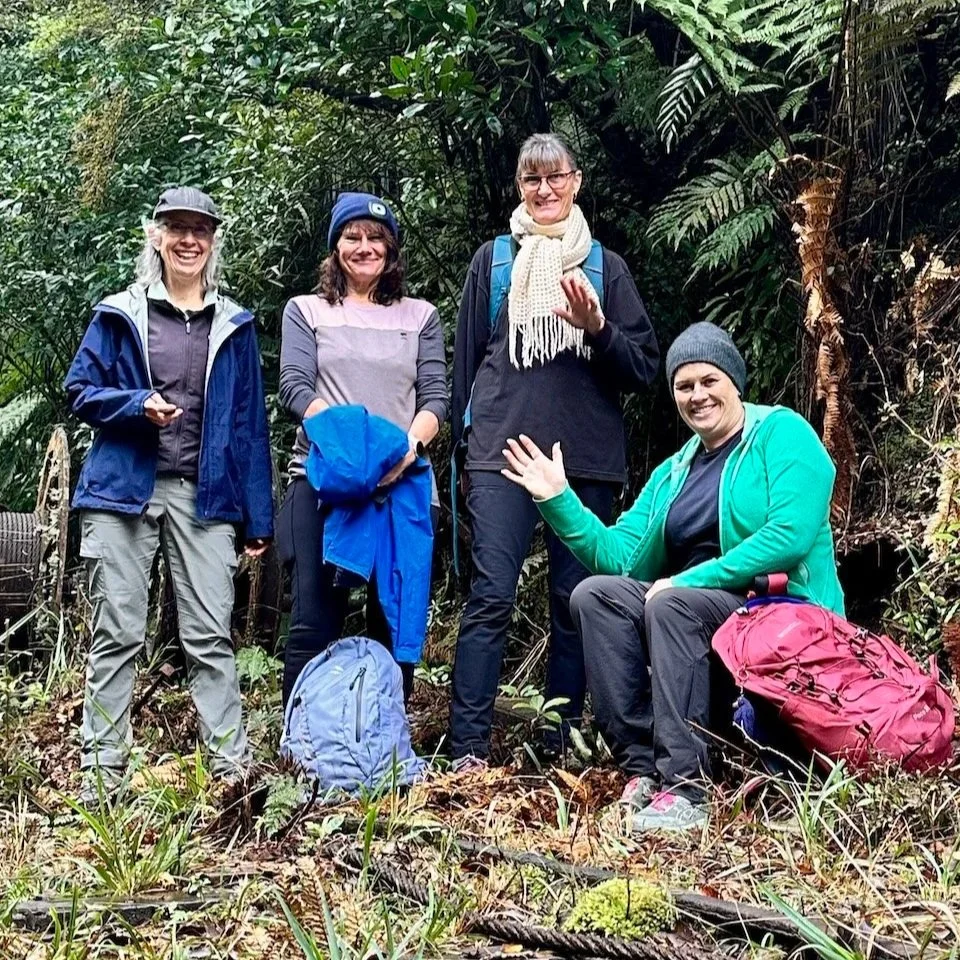

Some of New Zealand’s most beautiful outdoor experiences are closer to home than we think.
The Waikato River Trails are a perfect example, offering 104 kilometres of walking and cycling through native bush, along quiet stretches of river and past fascinating hydroelectric history. Having ridden the entire trail and walked almost all of it, I’ve come to appreciate the variety of experiences this wonderful network offers, whatever your pace or level of adventure.
One of my favourite sections runs between Arapuni Dam and Jones Landing, where towering cliffs reflect in still water, swans glide past with their cygnets, and kingfishers dart along the riverbanks.
Add the century old Arapuni Swing Bridge and the remarkable history of the dam and powerhouse, and you have a little adventure that doesn't require travelling far from home. Join me as I explore why sometimes the best discoveries are right on our doorstep.