Off-Grid: Choosing Our Own Terms
The Wrong Direction
When the Starlink dish arrived this week, I made one fundamental mistake. I thought the open sky to the north was what I needed, but it turns out that in the southern hemisphere, the dish has to face south. Standing on the clay terrace with a satellite dish planted on the ground, aimed at the wrong half of the sky and figuring it out as I went is pretty much a summary of how the last two years at Shambhala have gone.
Starting From Zero
When we became custodians of this land it had absolutely nothing on it. No cabin, no road in, no water system or utilities, no fences, no buildings, nothing but regenerating native forest and pine trees. We arrived with the idea that we could build something different.
The driveway in from the gate to where the cabin sits is a kilometre long and establishing four wheel drive access was the first major challenge. As the site evolved, tents were tucked in, here there and everywhere, providing temporary shelter for an enthusiastic bunch of helpers. Pine trees had to be selectively cleared and a site flattened for the cabin. While all this was happening, we learnt to live in the forest.
18 Months in a Tent
For the first eighteen months, we based ourselves in the tent and I worked from there while managing Freewheeling Kiwi, uploading content and running a business from a place that had no reliable power and no connectivity to speak of.
Last summer, my brother Peter came and built the cabin with help from Jarvis. Oliver wired it ready for the solar system and Andrew built the bathroom. Our extended family and friends showed up with both practical help, encouragement, shared meals and much laughter.
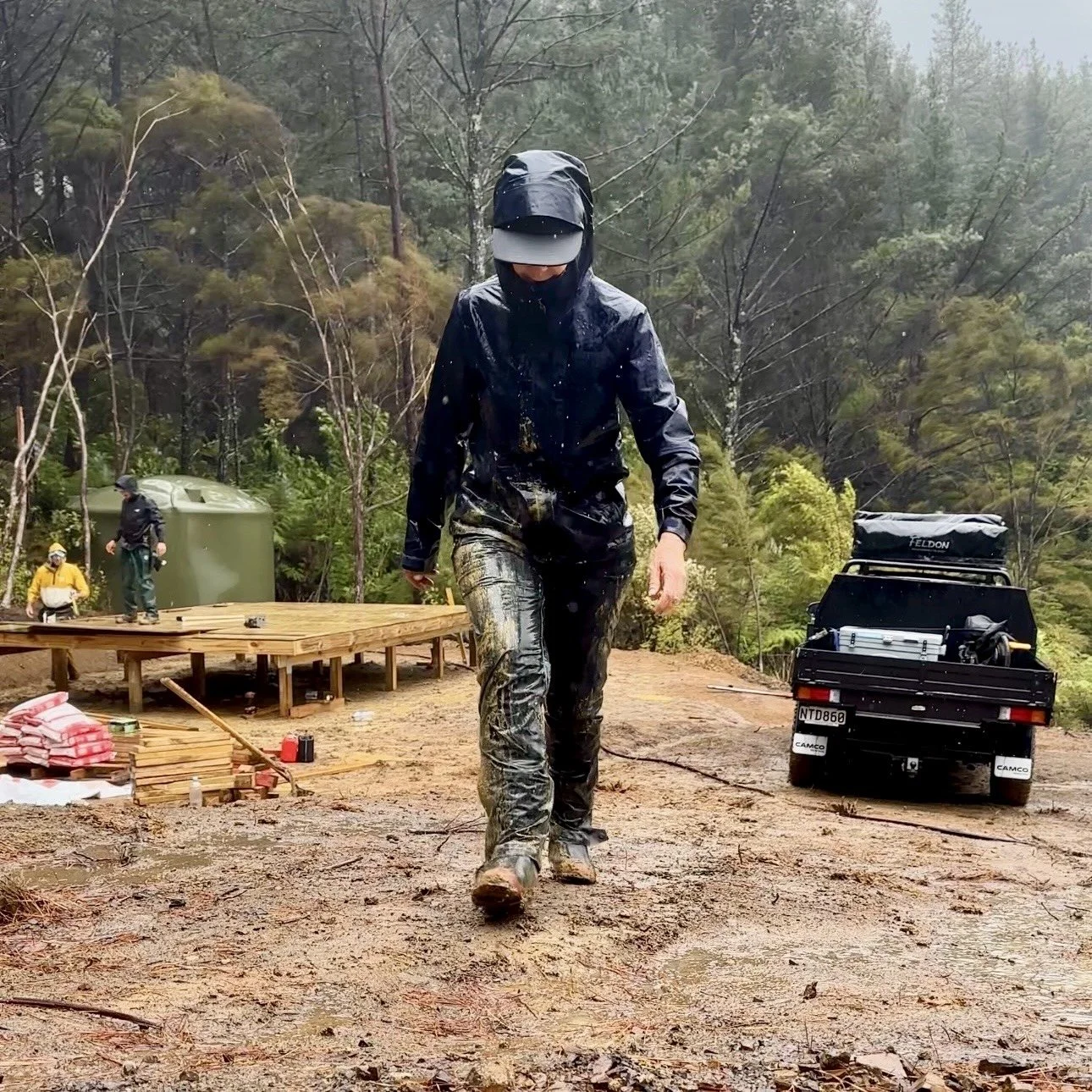
A sense of humour is a must at Shambhala! Peter, Jarvis and Sharon in the early stages of the cabin build. 800mm rain in 36 hours. January 2026
The Connectivity Problem
It took time because we're not here 24/7, Andrew manages commitments elsewhere while I manage multiple locations and multiple projects, but slowly, with help and improvisation and a lot of sweat, the structure went up. We've also started with the pest eradication work, because becoming custodian means caring for the land in that way too.
In the meantime, I’m still figuring out how to actually live at Shambhala.
For two years, connectivity has been the bottleneck. I'd walk up to a high point to upload a reel because the mobile signal was non-existent down at the cabin. I'd park on the side of the road to upload a blog post. My Spark mobile was basically hopeless but we're in a location where no other provider is going to be any better. I spent two years researching and procrastinating before reluctantly concluding that the only viable option at this site was Starlink.
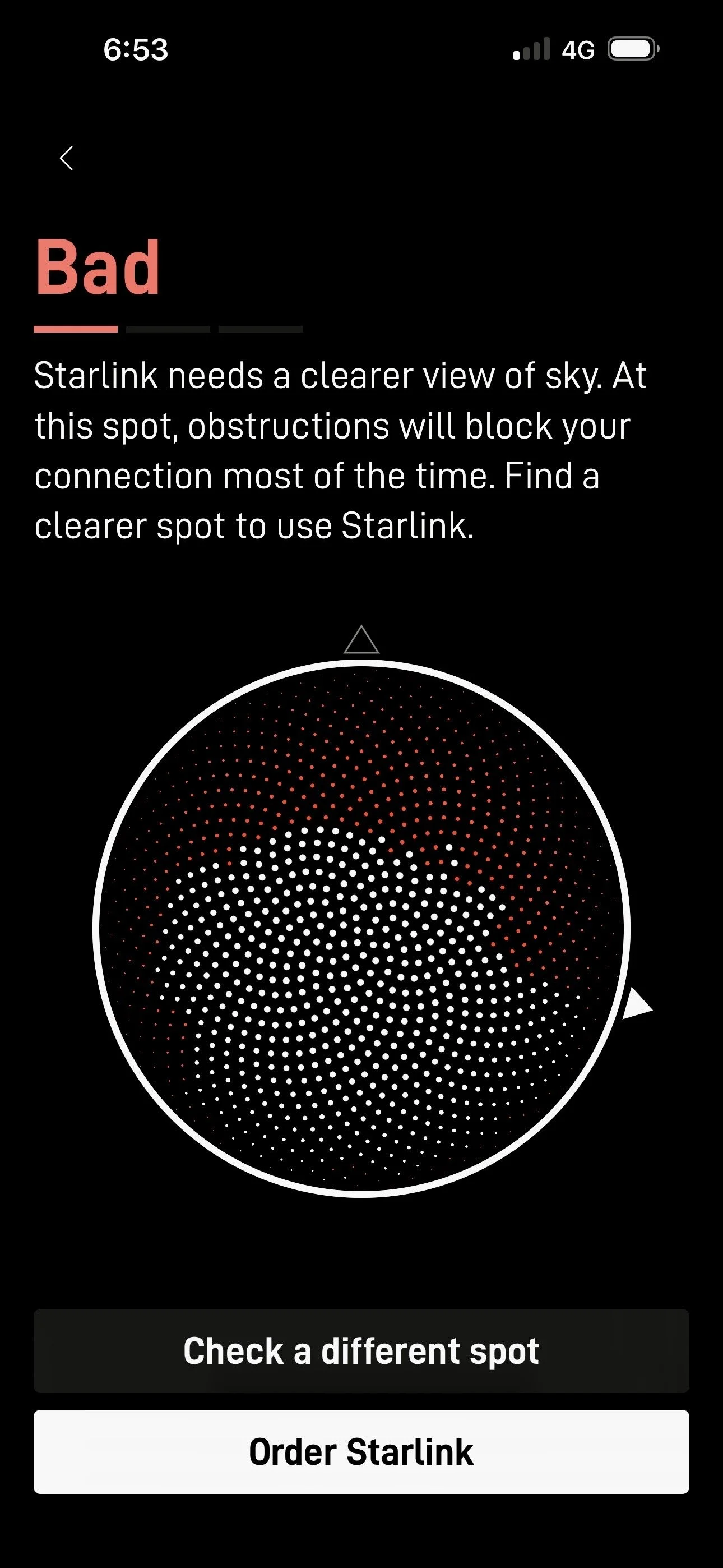
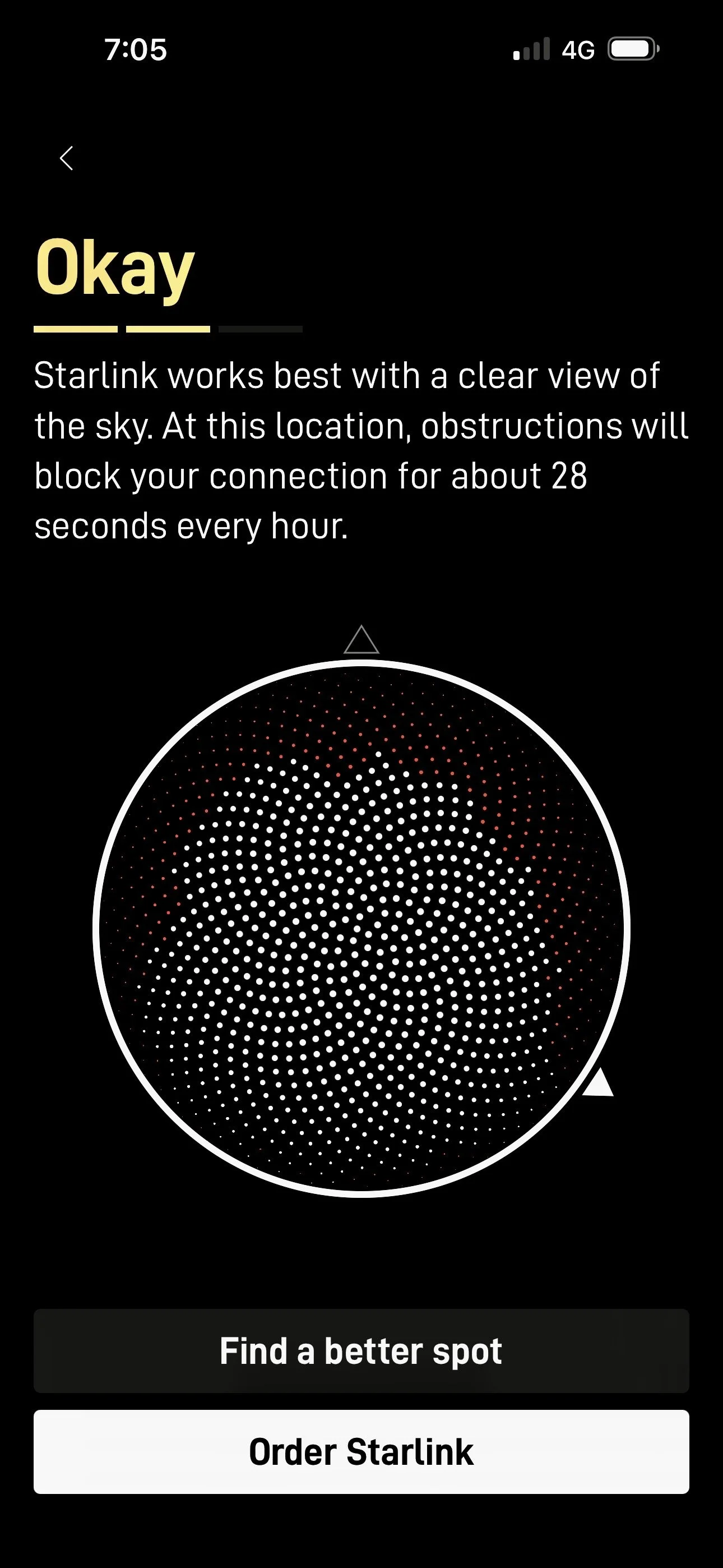
So I ordered it and waited a month for it to arrive and when it did, I made that mistake with the orientation. Living off-grid means you figure things out anyway as there’s no one to call. You walk the dish out onto the clay terrace in the rain as far as the cable reaches. You aim it south. You turn it on. And suddenly you have 206 megabits per second of download speed despite trees in the way, when the mobile was giving you basically nothing.
What 206 Megabits Means
What does 206 megabits actually mean? It means I can upload a reel to social media in minutes instead of hours. It means I can do a Zoom call without it freezing or dropping off. It means I can send files without watching a progress bar crawl across the screen for half an hour. It means I can run Freewheeling Kiwi from a cabin at the tip of the Coromandel Peninsula instead of managing it from the margins of wherever I could find connectivity. It means I can actually work from home.
A Temporary System
The practical reality is that I needed this, not to disappear into the mountains and pretend I don't exist. I moved off-grid to build something different, not to check out completely. I still have to earn a living. I still have to stay connected to the people and the work that matter to me, I just wanted to do it on my own terms.
Right now, the system is improvised and basic. Next to the Starlink on the ground is my solar panel, which charges a Bluetti power bank that runs the cabin’s 240-volt lights. We needed a second, larger Bluetti to power the Starlink as well. I manage all of it manually all the while keeping an eye on how much power I've stored, shifting things around as the seasons change and the sun moves.
This system was always meant to be temporary as it’s evolved out of what was used when we lived in the tent. When we return from Nepal in December, we'll be constructing a proper solar frame with more panels, an inverter, battery storage, basically everything that's required to run this and the cabin properly. But that takes time and resources and right now, we’re focused on other things.
Choosing Your Own Terms
Two years ago, there was nothing here. Now there's a cabin, a road, water systems, solar panels, and this week, a satellite dish planted on the terrace facing south. It's far from finished and certainly not polished. It's evolving at the pace that life allows, which is slower than you'd like and faster than you'd expect, usually both at the same time.
The real luxury isn't being off-grid. The real luxury is choosing life on your own terms. And choosing your own terms takes time, money, improvisation, and help from people who believe in what you're building. It takes Andrew showing up. It takes Peter and Jarvis building a cabin and Oliver wiring it instead of doing a hundred other things. It takes family support, practical and otherwise. It takes two years of research to find a connectivity solution that actually works in this location. It takes walking out onto a terrace with a satellite dish and figuring it out because waiting for perfect isn't an option.
We're not here 24/7. There are treks to run, adventures to have, lives to live in other places too. The system evolves when it can. And that's enough.
PS: I’d love to hear your thoughts. 🌿
Have you ever started a project and not everything has gone to plan?
Share your experiences or reflections in the comments below, I’d really enjoy hearing your stories.
If you want to follow the Shambhala journey, you can read about building the cabin here, living off-grid here, and the broader story here.
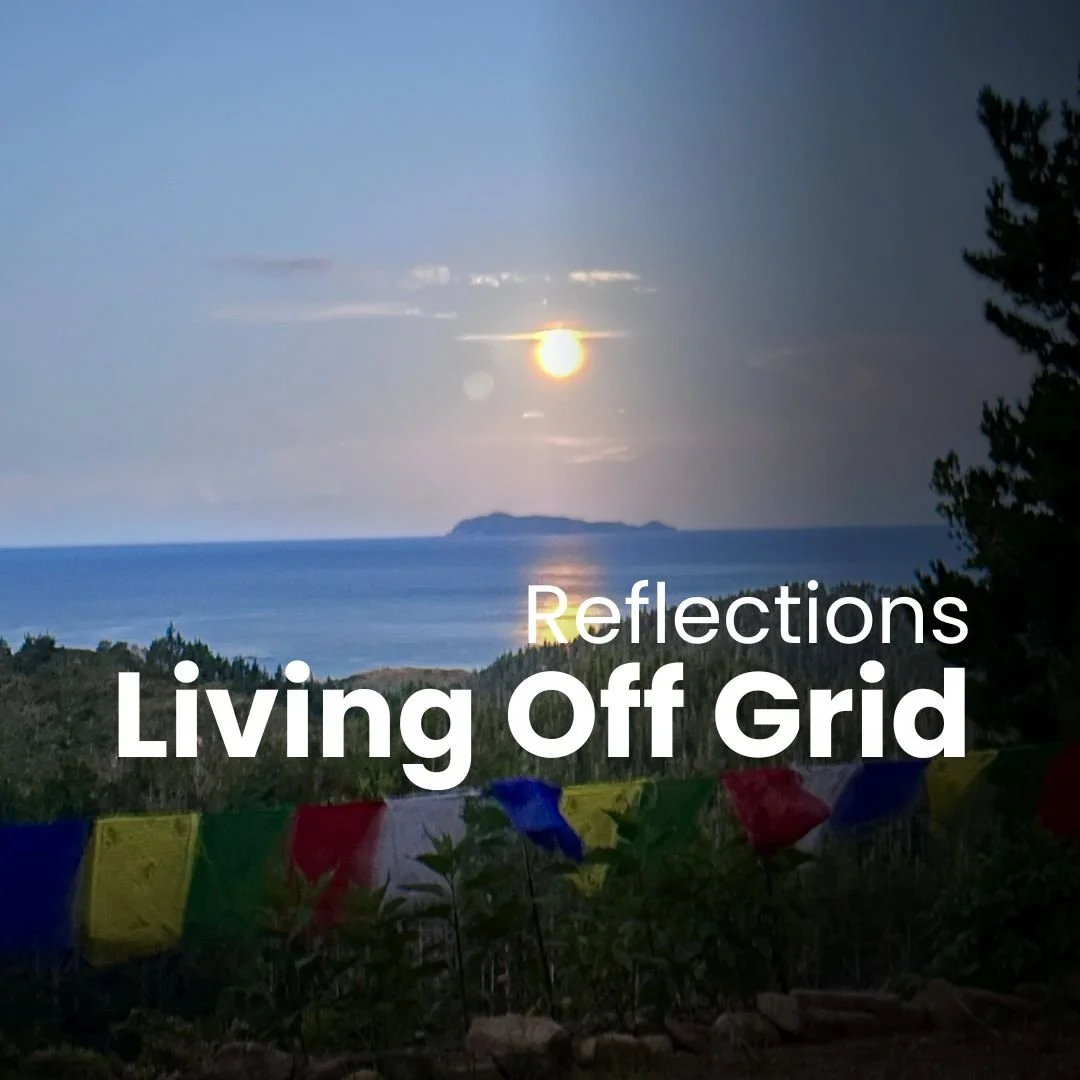
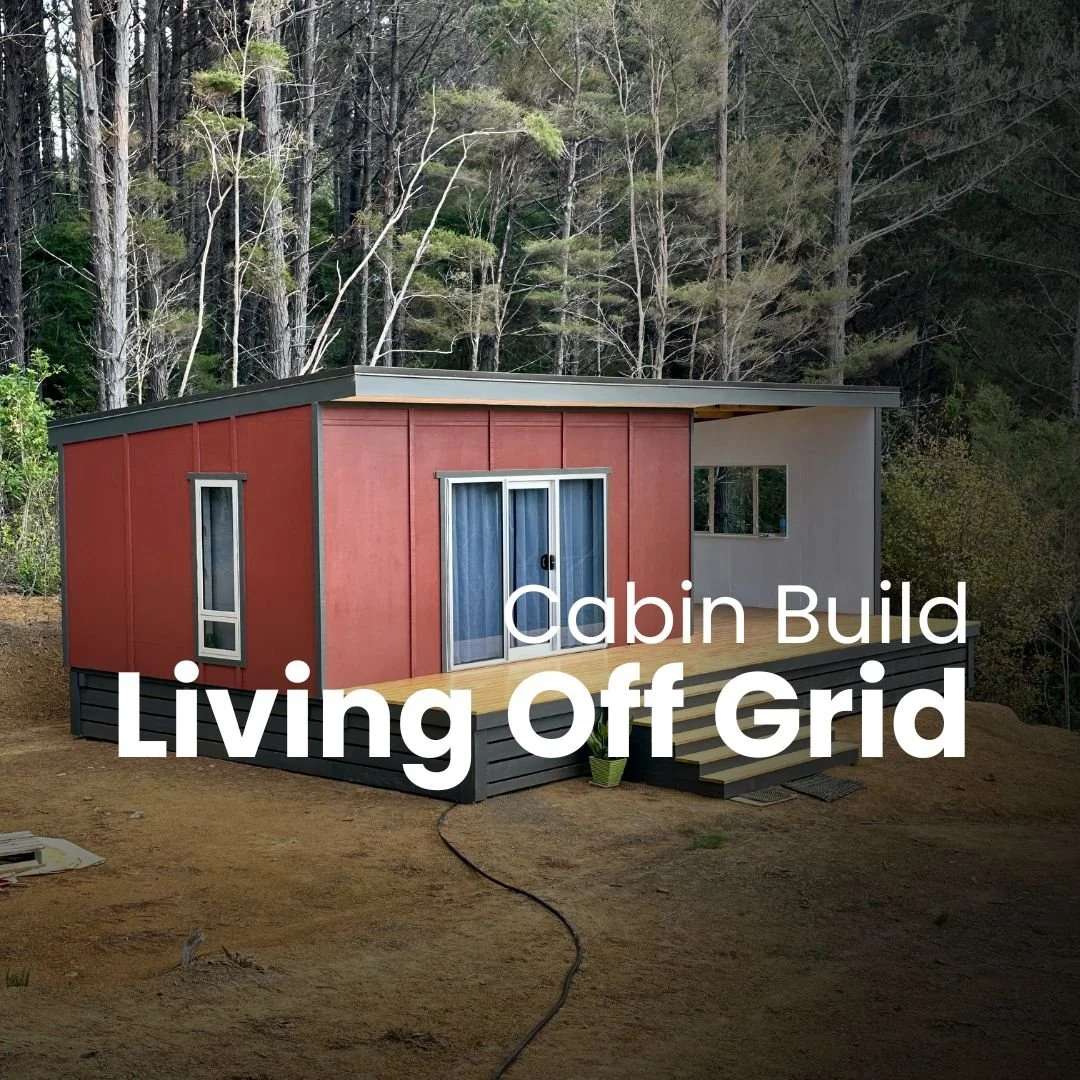
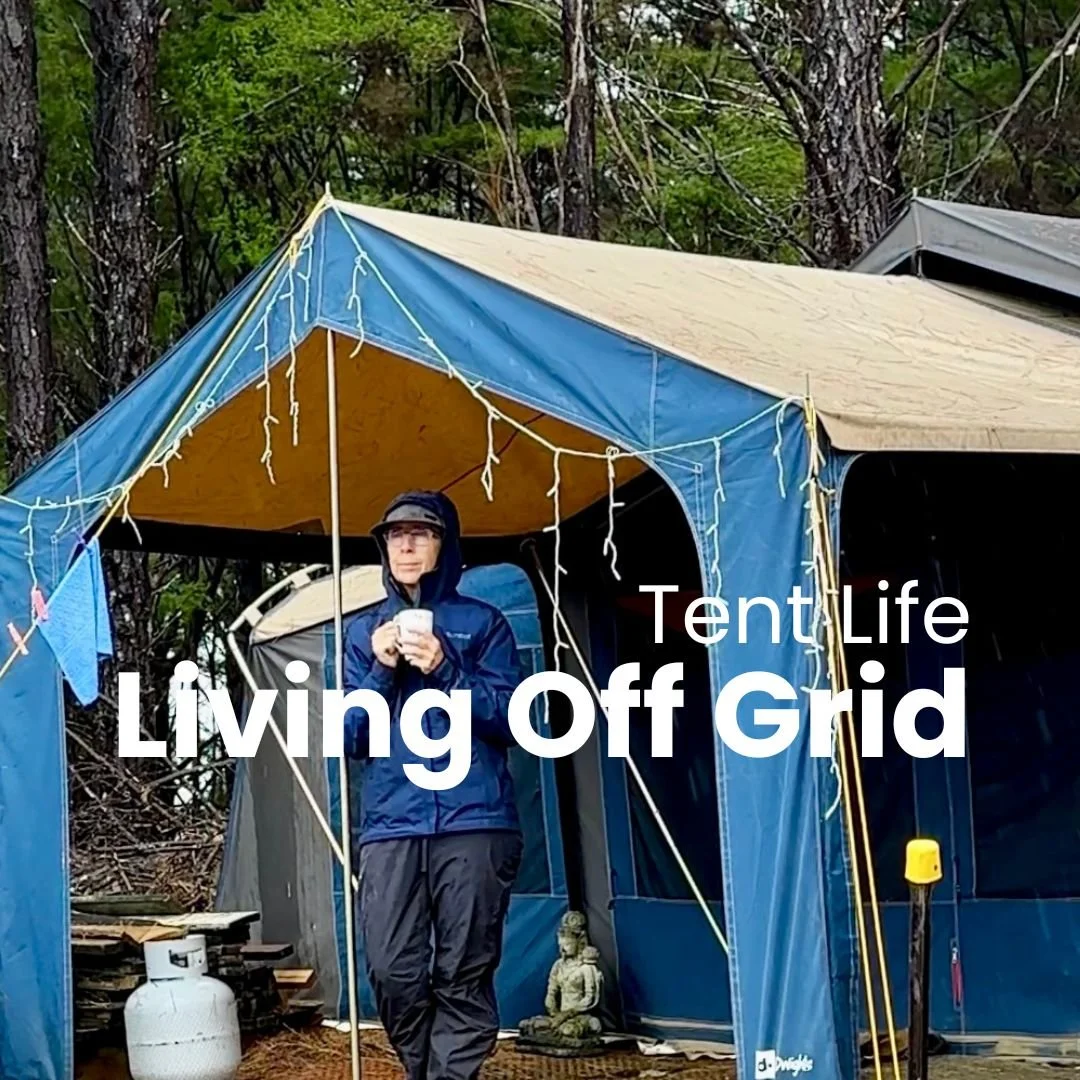
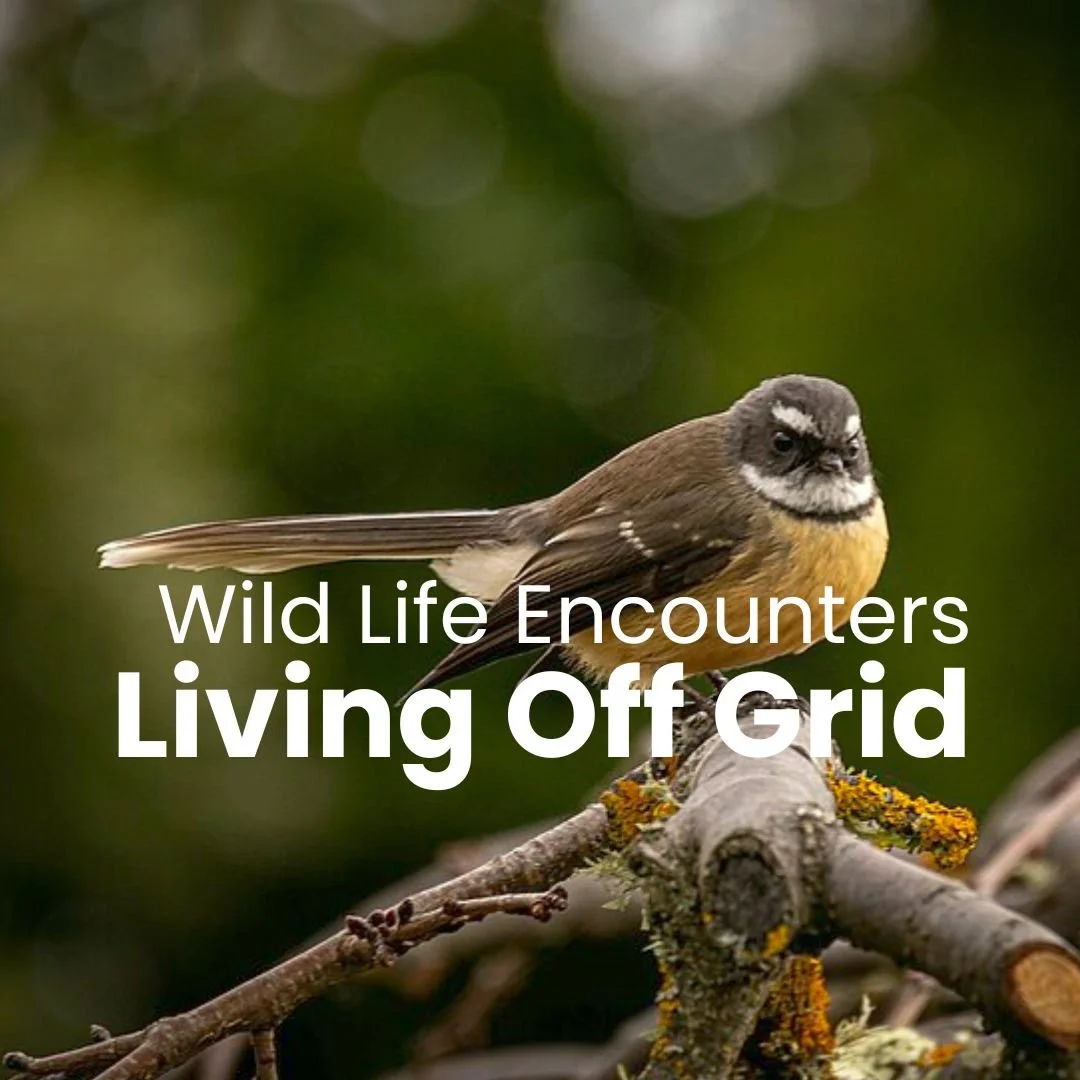
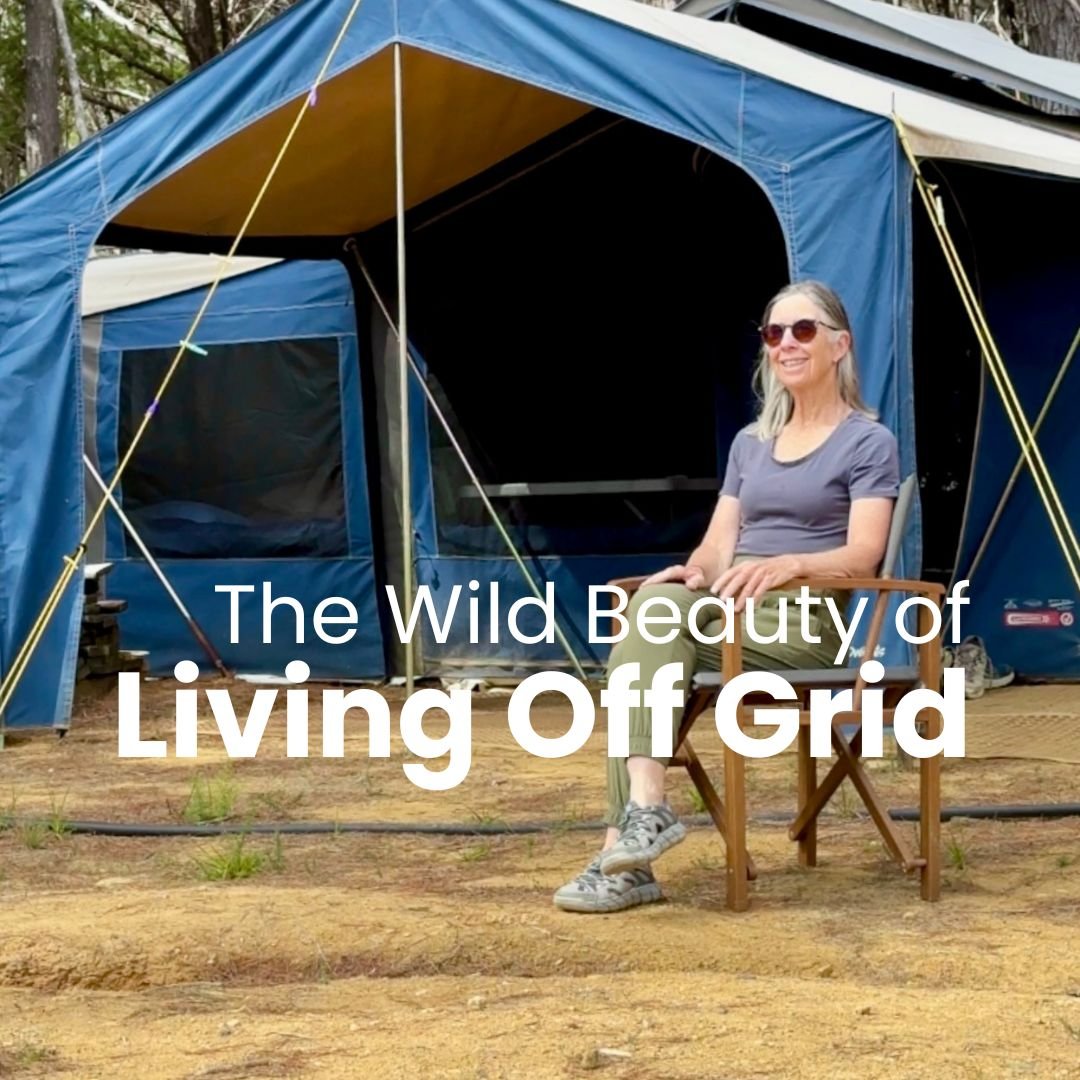
Two years ago, when we became custodians of Shambhala in the Coromandel bush, there was nothing here. No cabin, no road, no water system or electricity, just regenerating native forest and pine trees.
We spent eighteen months calling a tent home while slowly building a cabin, learning to live in the forest and figuring things out as we went. It has been a journey of hard work, improvisation, family support and plenty of lessons along the way.
Now, living in our basic off grid cabin, I'm still learning what it means to build a different kind of life. From navigating the challenges of solar power and connectivity to finding practical solutions when things don't go to plan, the reality is far removed from the romanticised version of off grid living. But this was never about escaping the world. It was about creating a life on our own terms, with more freedom, a closer connection to the land and the space to choose what matters most.